
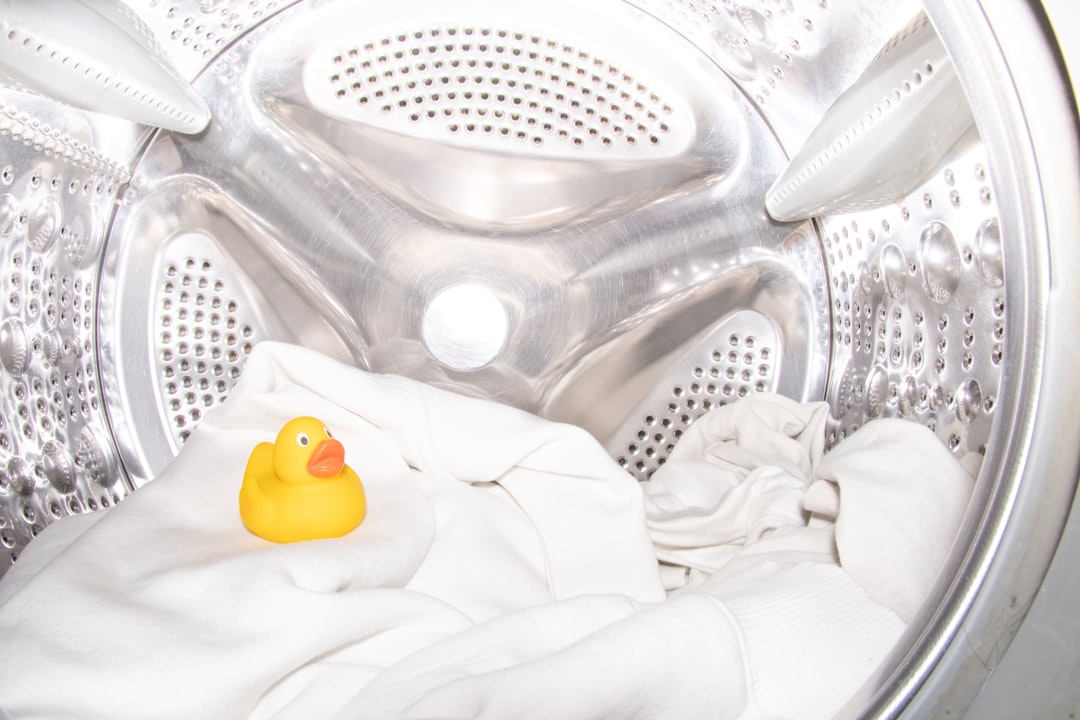
Washing machine not spinning? Learn the most common causes and practical fixes from a technician's perspective to get your laundry back on track fast.
When the Spin Cycle Just Stops Working
You pull open the lid expecting a tight, damp bundle of clothes — and instead find a soaking wet pile sitting in standing water. It's one of the more frustrating appliance problems because everything else seems fine. The machine fills, it agitates, but the spin? Nothing. Before you call for a replacement or assume the worst, there's a good chance the fix is simpler than you think.
The Most Overlooked Cause: An Unbalanced Load
This is the first thing any technician checks, and it's also the thing most homeowners overlook. Modern washers — especially front-loaders — have built-in sensors that detect when the drum is unevenly weighted. If the load is lopsided, the machine will deliberately skip or cut short the spin cycle to prevent damage to the drum bearings.
A classic example: washing a single heavy item like a king-size comforter or a thick winter jacket. The item clumps to one side, the machine detects the imbalance, and it stalls. The fix is straightforward — open the lid, redistribute the items manually, and restart the spin cycle. In many homes, we see this exact issue blamed on a broken washer when it's really just a bundled-up bath towel sitting off-center.
Lid Switch and Door Latch Problems
On top-loading machines, there's a small plastic component called the lid switch. It tells the machine the lid is fully closed before allowing the spin cycle to run. When that switch fails — and they do fail, usually after a few years of regular use — the machine behaves as if the lid is always open. No spin.
You can usually test this yourself by pressing the switch manually with a pen or your finger while the cycle is running. If the drum kicks on, you've found your problem. Replacing a lid switch is a relatively inexpensive repair, and it's one of the more common fixes on older top-loaders.
Front-loaders have a door latch assembly that works similarly. If the latch is worn or the door doesn't click firmly shut, the machine won't enter the spin phase at all. Check for any visible cracks or looseness in the latch mechanism.
Drainage Issues That Prevent Spinning
Here's something a lot of people don't connect: a washing machine won't spin properly if it can't drain first. The machine needs to remove water before the drum can reach full spin speed. If the drain pump is clogged or the drain hose is kinked, water sits at the bottom and the cycle stalls.
Check the drain hose at the back of the unit — it should have a smooth path to the drain with no sharp bends. Also check the pump filter if your model has one (usually behind a small access panel near the bottom front). In many service calls, we find coins, hair clips, or small socks completely blocking the pump. Cleaning it out takes about five minutes and solves the problem entirely.
Worn Drive Belt or Motor Coupling
If none of the above applies, the issue may be mechanical. Most washers use either a drive belt or a motor coupling to transfer power from the motor to the drum. These components wear out over time — especially in machines that run multiple loads daily.
A worn belt will sometimes produce a burning rubber smell or a squealing sound before it fails completely. A broken motor coupling on a direct-drive machine (common in older Whirlpool and Kenmore models) will cause the motor to run without turning the drum at all. Both repairs are manageable for a handy homeowner, though replacing a motor coupling does require removing the cabinet panels.
When to Call a Professional
If you've checked the load balance, confirmed the lid or


