
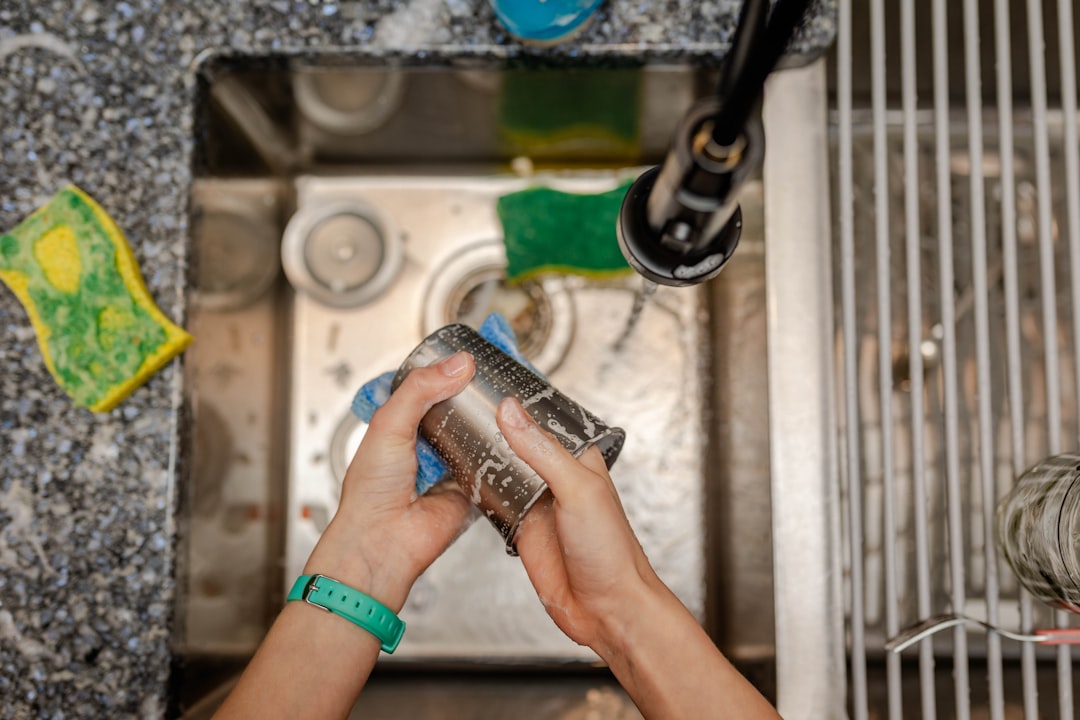
Dishes coming out dirty? Learn the real reasons your dishwasher isn't cleaning properly and how to fix it fast with expert tips.
When Your Dishwasher Stops Doing Its One Job
You run a full cycle, open the door expecting clean dishes, and pull out a plate still covered in last night's pasta sauce. It's frustrating — especially when you've relied on that machine every single day. The good news is that most dishwasher cleaning problems have a straightforward cause, and in many cases, you don't need a service call to fix them. But you do need to know where to look.
The Most Common Culprits Behind Poor Cleaning
Clogged or Blocked Spray Arms
The spray arms are the rotating parts that shoot water onto your dishes during the cycle. Over time, small food particles, mineral deposits, and even broken glass fragments can plug the tiny holes in these arms. When that happens, water pressure drops and dishes on certain racks — usually the top — come out dirty while the bottom looks fine.
In many homes, we see spray arms that haven't been removed and cleaned in years. It takes about five minutes to pop them off and run a toothpick through each hole. If your top rack dishes are consistently coming out dirty, start here before anything else.
A Dirty or Blocked Filter
Modern dishwashers — especially those made in the last decade — use a manual filter instead of a self-cleaning grinder. That filter sits at the bottom of the tub and catches food debris. If it isn't cleaned regularly, it becomes a source of contamination rather than protection. The same water that's supposed to clean your dishes is circulating through a clogged, greasy filter.
We once diagnosed a dishwasher that left a film on every dish, and the homeowner was convinced it was a detergent issue. Turned out the filter hadn't been cleaned in two years. A quick rinse under the faucet and a soft brush scrub fixed it completely. Check your owner's manual to locate and remove your filter — most twist out counterclockwise.
Wrong Detergent or Too Much of It
More detergent doesn't mean cleaner dishes. Using too much can actually leave a chalky residue, and using the wrong type — like hand dish soap — can create so many suds that the machine can't rinse properly. Stick with a quality dishwasher-specific detergent, and if you have hard water, use a rinse aid to help prevent spotting and film buildup.
Low Water Temperature
Dishwashers need hot water — ideally between 120°F and 140°F — to properly dissolve detergent and cut through grease. If your water heater is set too low, or if the dishwasher is at the end of a long pipe run and gets cold water for the first part of the cycle, cleaning performance drops significantly. A simple fix: run your kitchen faucet on hot for 30 seconds before starting the dishwasher. This purges the cold water from the line and lets the machine start with hot water right away.
Improper Loading Habits
This one gets overlooked constantly. Nesting bowls, stacking plates too tightly, or putting large items in front of the spray arms blocks water from reaching everything else. Tall pots on the bottom rack can block the upper spray arm from spinning freely. Load dishes so water can reach every surface — face dirty sides toward the center and downward, and never block the detergent dispenser door.
What People Often Miss
Beyond the obvious fixes, a worn door gasket can allow steam and heat to escape during the cycle, reducing cleaning effectiveness. Also check the water inlet valve — if it's partially clogged with mineral scale, the machine may not be


