
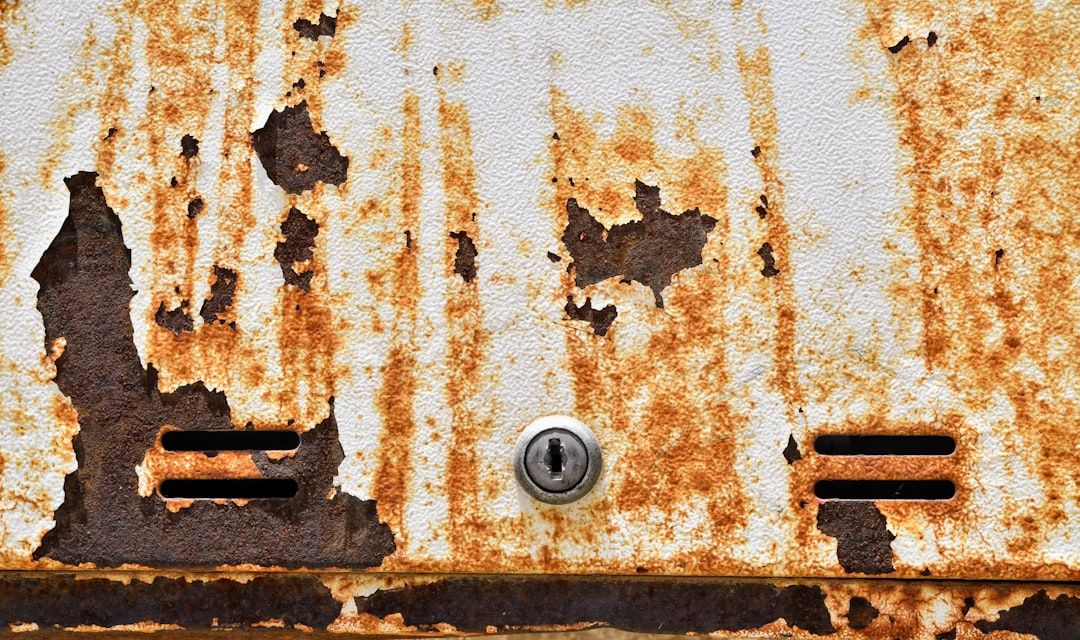
Florida heat, humidity, and salt air wear out appliances faster than you'd think. Learn what's really happening and how to protect your home.
Florida Is Rough on Appliances — Here's Why
If you've lived in Florida for a few years, you've probably noticed something frustrating: appliances just don't seem to last as long as they should. Your neighbors up north might get 15 years out of a washing machine. You're lucky to get 10. That's not a coincidence, and it's not bad luck. It's the environment doing what it does — quietly breaking things down, month after month, season after season.
After working on appliances across South and Central Florida for years, the pattern becomes impossible to ignore. The same machines that perform fine in dry climates struggle here. Understanding why can save you a lot of money and a lot of headaches.
Humidity Is the Silent Killer
Florida averages around 74% relative humidity year-round. For appliances, that's a constant low-level attack on every metal component, every electrical connection, and every rubber seal inside your machines.
In many homes, we see washing machine drums that have started rusting from the inside out — not from use, but from sitting in a humid laundry room that never fully dries out. Dryer lint traps accumulate moisture and create mold. Refrigerator coils collect condensation that never fully evaporates, forcing the compressor to work harder just to maintain temperature.
The compressor is usually the most expensive component in a refrigerator or AC unit. In Florida, compressors are under almost constant strain. That's why compressor failure is one of the most common service calls in the state, and why it tends to happen years earlier than manufacturers' estimates — which are typically based on average national conditions, not subtropical ones.
Salt Air Accelerates Corrosion Near the Coast
If you live within about 10 to 15 miles of the ocean or Gulf Coast, salt air is actively corroding your appliances. This isn't a slow process — salt particles in the air land on metal surfaces, hold moisture, and speed up oxidation dramatically.
We've opened outdoor HVAC units in coastal neighborhoods and found coil fins so corroded they looked like lace. The homeowner had no idea, because everything seemed to be running fine — until it didn't. A system like that is working at a fraction of its efficiency and usually months away from a major failure.
Dishwashers, washing machines with exposed metal panels, and outdoor-rated appliances are especially vulnerable. Even stainless steel, which many people assume is corrosion-proof, can pit and stain under prolonged salt air exposure.
Heat Cycles Wear Out Components Faster
Florida summers mean your AC runs almost continuously for six to eight months a year. That's not a break — that's a marathon. Every time a system kicks on and shuts off, components expand and contract slightly. Over thousands of cycles, electrical connections loosen, refrigerant lines develop micro-fatigue, and capacitors degrade.
Capacitors are a great example of something that fails constantly in Florida homes. They're relatively cheap to replace, but when they go, your AC stops working entirely — usually on the hottest day of the year. A capacitor that might last 10 years in a mild climate often lasts 5 or 6 here.
The same principle applies to refrigerators, water heaters, and pool pumps. More usage means more wear, and in Florida, usage is rarely optional.
What Most Homeowners Overlook
One of the biggest mistakes we see is people skipping annual maintenance because an appliance "seems fine." In Florida, by the time something seems wrong, the damage is usually already done. A refrigerator running warm might just need coil cleaning — but left alone for another season, that becomes a comp


