
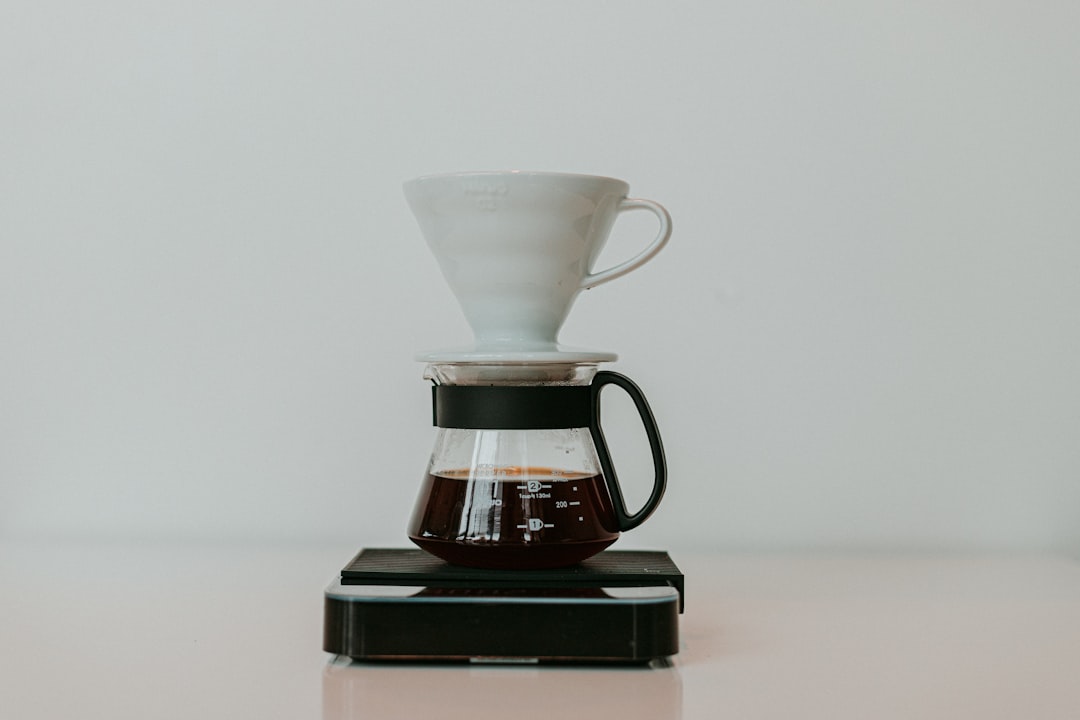
Discover why more Americans are returning to drip coffee makers for reliability, cost savings, and everyday convenience over expensive single-serve machines.
The Quiet Comeback of the Classic Drip Coffee Maker
For a while there, it seemed like pod-based machines had completely taken over American kitchens. Single-serve brewers were everywhere — on countertops, in offices, in hotel rooms. But something interesting has been happening over the last couple of years. More and more households are quietly going back to a drip coffee maker, and honestly, it makes a lot of sense once you look at the real numbers and day-to-day practicality behind the decision.
The Cost Reality Is Finally Hitting Home
Here is where most people have their wake-up moment. A single coffee pod costs anywhere from 50 cents to over a dollar, depending on the brand. If two people in a household each drink two cups a day, that adds up to roughly $60 to $120 per month just on pods. A quality bag of ground coffee for a drip machine? Maybe $10 to $15 and it lasts just as long.
In many homes, we see the switch happen after someone actually sits down and does the math. One family in suburban Ohio told us they were spending nearly $90 a month on pods without realizing it. They switched to a mid-range drip machine, bought a programmable model for around $60, and cut their monthly coffee cost to under $20. That is a real-world saving of over $800 a year.
Reliability That Single-Serve Machines Often Can't Match
Pod machines have more moving parts, more electronics, and more potential failure points. The needle that punctures the pod clogs. The water reservoir develops buildup. The internal pump loses pressure. These are not rare issues — they are the most common service calls we see tied to small kitchen appliances.
A standard drip coffee maker, by contrast, is mechanically simple. Hot water flows through a heating element, passes through ground coffee, and drips into a carafe. There is very little that can go wrong, and when something does — like a clogged filter basket or a failing heating element — the repair or replacement is straightforward and inexpensive.
What Most People Overlook About Drip Machine Maintenance
Even with a drip machine, there is one mistake that shortens the lifespan significantly: skipping descaling. Hard water leaves calcium deposits in the internal tubing over time, and this restricts water flow and makes the heating element work harder. Running a white vinegar cycle — roughly one part vinegar to two parts water — every one to two months keeps the machine running cleanly. Most people never do this until the coffee starts tasting off or the brew slows down noticeably.
Better Coffee Quality for Everyday Brewing
There is a real taste difference too, and it comes down to water temperature and brew time. A well-designed drip coffee maker heats water to the optimal brewing range of 195 to 205 degrees Fahrenheit and allows full saturation of the grounds. Many pod machines struggle to hit that range consistently, which results in under-extracted, flat-tasting coffee — even with premium pods.
Home brewers who have made the switch often report that their morning coffee simply tastes better, and that is not just perception. Using freshly ground beans in a quality basket filter makes a significant difference that no pod system can replicate at the same price point.
Practicality for Families and Busy Households
For households with three or more coffee drinkers, a single-serve machine creates a bottleneck. Everyone waits their turn while the machine brews one cup at a time. A 12-cup drip machine solves that entirely. Brew once, serve everyone. Many modern drip machines also include programmable timers, so the coffee is ready the moment anyone walks into the kitchen in the morning.


