
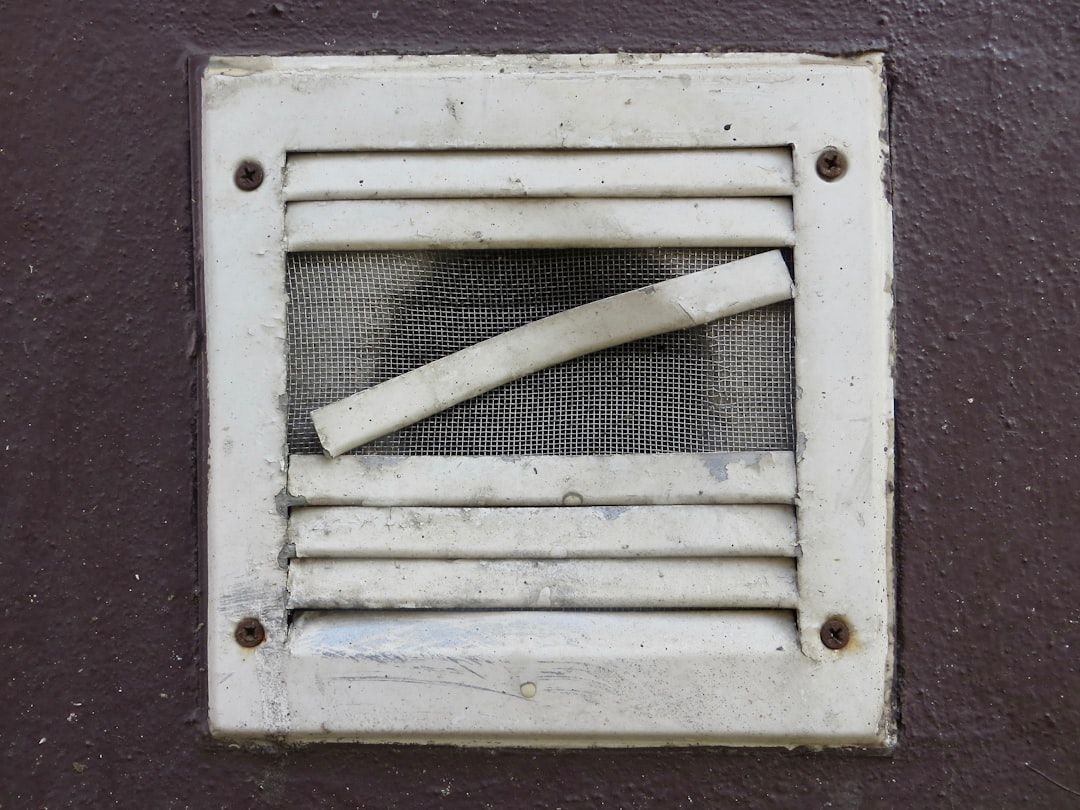
Your AC vents could be triggering allergy symptoms. Learn what causes it and how to fix it fast with simple, practical steps.
Your Air Conditioner Might Be the Reason You Can't Stop Sneezing
You close the windows, take your allergy medication, and still wake up congested every morning. Sound familiar? A lot of people blame pollen or pets, but the real culprit is often blowing air directly into your face — literally. Your AC vents can quietly circulate allergens throughout your entire home, and most homeowners never connect the dots until symptoms get bad enough to visit a doctor.
What's Actually Living Inside Your Vents
This might surprise you, but the inside of your ductwork is one of the best environments for allergens to collect and thrive. Dust, pet dander, mold spores, and even insect debris build up over time in ways that aren't visible from the outside. When your system kicks on, that buildup gets pushed through every room in the house.
In many homes, we find years of accumulated debris packed into ducts that were never professionally cleaned. One customer in particular had been suffering from chronic sinus issues for two full years. When we inspected her system, the return air duct was coated in a thick layer of gray dust mixed with pet hair. She had two dogs and changed her filter only once a year — which is far too infrequent for a pet household.
The Filter Problem Most People Get Wrong
Here's where a lot of homeowners make a costly mistake: they either skip filter changes entirely or buy the cheapest filters available. A low-MERV filter — the basic fiberglass kind — captures large debris but lets fine particles like pollen and mold spores pass right through. Meanwhile, a filter that's overdue for replacement becomes so clogged it forces air around the edges, bypassing filtration altogether.
For households with allergy sufferers, a MERV 8 to MERV 11 filter is usually the right balance — enough filtration to catch fine particles without choking your system's airflow. Filters in these homes should be changed every 30 to 45 days, not every three months like the packaging suggests. That's general guidance, not personalized advice for your situation.
Mold in the Vents Is More Common Than You Think
If you notice a musty smell when your AC first turns on, that's not just old dust burning off. That's often the early sign of mold growth inside your system — typically near the evaporator coil or inside the supply ducts. Air conditioners remove humidity from the air, and that moisture has to go somewhere. When drain lines clog or condensation builds up around the coil, mold can start growing within 24 to 48 hours under the right conditions.
Mold spores are among the most potent indoor allergens. They don't need to be visible to cause symptoms. In many cases, a thin invisible film of mold on the inside of a duct is enough to trigger asthma flare-ups, eye irritation, and persistent coughing, especially in children and elderly residents.
Vent Placement and Airflow Direction Matter Too
Something most people overlook is the actual direction their vents are pointing. Supply vents blowing air directly toward beds, couches, or frequently occupied areas create a constant stream of airborne particles right where people spend the most time. Adjusting the vent louvers to redirect airflow toward the ceiling or away from breathing zones can make a noticeable difference without any major changes to your system.
Also worth checking: return air vents. These are the larger, grille-covered vents that pull air back into the system. When furniture is pushed against them or they're blocked by curtains, the system works harder and pulls air from less filtered areas — including gaps in walls or attic spaces where allergen levels are even higher.


