
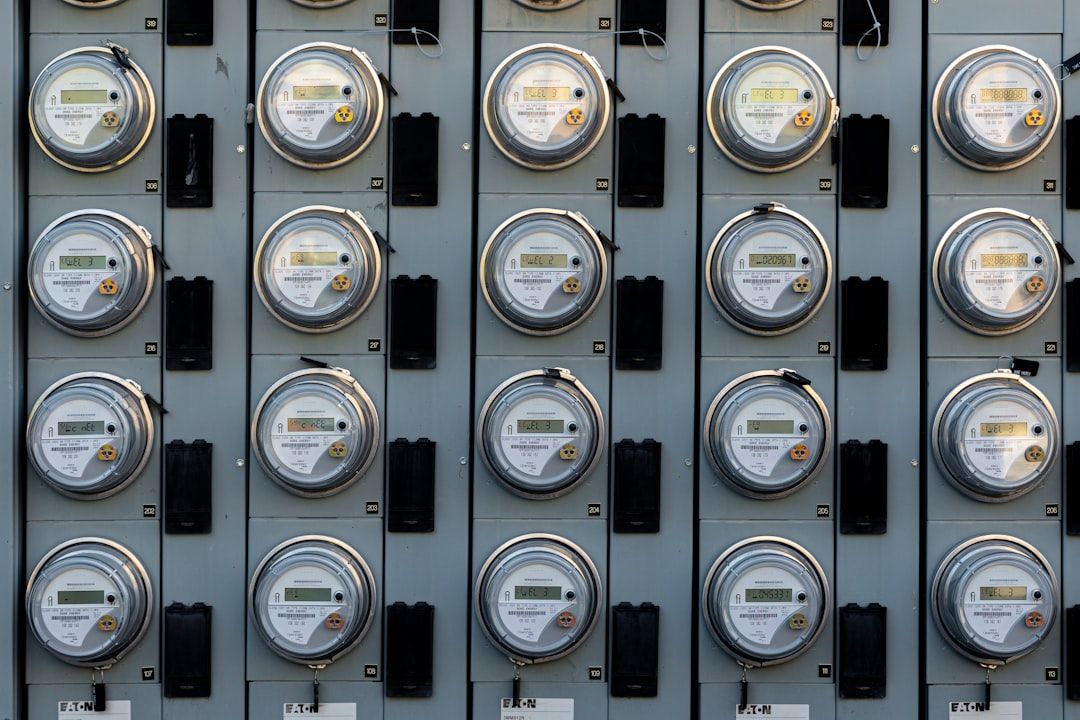
Discover which appliances drain the most electricity in your home and learn practical tips to reduce your energy bill starting today.
Why Your Electric Bill Keeps Climbing
Most homeowners notice the bill going up but have no idea which appliance is actually the culprit. In my experience walking through hundreds of homes, people are almost always surprised by the answer. It's rarely the thing they suspected — and usually something that's been running quietly in the background for years.
Heating and Cooling: The Biggest Drain in Almost Every Home
Your HVAC system typically accounts for 40 to 50 percent of your total electricity use. That's not a small number. When a homeowner calls me complaining their bill jumped $80 last month, the first thing I check is whether the air conditioner has been running longer than usual or if the filter hasn't been changed in months. A clogged filter forces the system to work harder, pulling more power just to move the same amount of air.
In many homes, we see thermostats set to 68°F all day even when nobody's home. That alone can add $30 to $50 to a monthly bill depending on the size of the house. A programmable or smart thermostat pays for itself within a few months in most cases.
Water Heaters: The Silent Energy Hog
Electric water heaters are the second biggest user of electricity in most households, typically running 14 to 18 percent of your total usage. What most people don't realize is that a traditional tank water heater is constantly reheating water even when you're at work or asleep. That's called standby heat loss, and it adds up fast.
I've seen older 50-gallon electric tank units sitting in basements that are 15 years old, still running daily. The homeowner had no idea it was costing them nearly $50 a month on its own. Upgrading to a heat pump water heater can cut that cost by more than half.
Washer, Dryer, and the Laundry Routine
Electric dryers are one of the most power-hungry appliances in the home, often pulling 5,000 watts per cycle. If your household runs five or six loads per week, that adds up quickly. The washer itself uses less electricity but hot water cycles make the water heater work overtime.
A simple fix? Wash in cold water. Modern detergents are designed for cold cycles and you won't notice a difference in cleanliness — but you will notice a difference in your bill.
Refrigerators, Freezers, and Old Appliances
A refrigerator runs 24 hours a day, every day. Newer Energy Star models are efficient, but older units — especially those second fridges in the garage — can use two to three times more electricity than a current model. In many homes, we find an old fridge from 2005 still humming away in the garage just to keep a few sodas cold. That one appliance might be costing $15 to $20 extra every single month.
Other Appliances Worth Watching
Electric ovens, pool pumps, hot tubs, and window AC units all deserve attention. A pool pump running eight hours a day during summer can rival the cost of running your central air. If you have one, consider upgrading to a variable-speed pump and programming it to run during off-peak hours when electricity rates are lower.
Lighting and Electronics: Smaller, But Worth Fixing
Lighting accounts for roughly 5 to 10 percent of home electricity use. If you're still running incandescent bulbs anywhere in the house, switching to LED is one of the easiest wins you can make. Electronics on standby — TVs, gaming consoles, cable boxes — also pull a small but constant draw. Plugging them into a smart power strip helps cut that waste without any effort on your


