
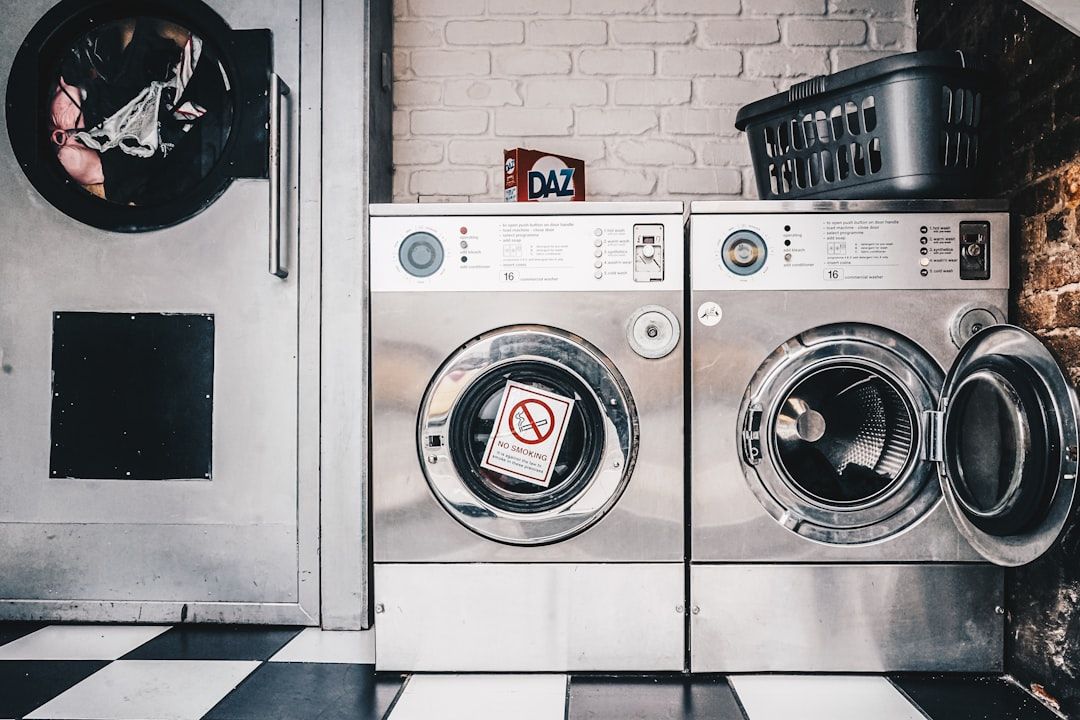
Find out why your washing machine shakes violently during spin and how to fix it fast with practical tips from experienced appliance technicians.
Why Is Your Washing Machine Shaking Like It's About to Walk Out the Door?
If your washing machine is rattling, banging, or shaking so hard during the spin cycle that it sounds like a jackhammer in your laundry room, you're not imagining things — and you're definitely not alone. This is one of the most common service calls we get, and the good news is that most causes are completely fixable without replacing the entire machine. The key is knowing what to actually look for, because the obvious causes are not always the real ones.
Start With the Basics: Load and Leveling
The number one cause of violent shaking during spin is an unbalanced load. It sounds almost too simple, but a single heavy item — a soaking wet bath towel, a thick comforter, or a pair of jeans — can sit on one side of the drum and throw the whole rotation off. At high RPM, that imbalance becomes a serious force. We've seen front-loaders move four to six inches across a tile floor from nothing more than a bedsheet bunched up on one side.
Always try to run bulky items in pairs. If you're washing one large blanket, add a second towel or similar item to help distribute the weight. Small loads in large-capacity machines are also a surprisingly common culprit — the drum has too much free space, and the clothes bunch together and spin unevenly.
Next, check whether the machine is sitting level on the floor. Grab a bubble level and place it on top of the unit, both front-to-back and side-to-side. Most washing machines have adjustable front feet that you can turn by hand or with a wrench. A machine that's even slightly off-level will amplify vibration dramatically once the spin cycle hits full speed. In many homes, we see machines sitting on older vinyl flooring that has softened or warped over the years, making stable leveling nearly impossible without a rubber anti-vibration mat underneath.
Worn or Damaged Suspension Components
If leveling and load balance aren't the issue, the problem is likely mechanical. Inside your washer — whether it's a top-loader or front-loader — there are components specifically designed to absorb drum movement. These include suspension rods (in top-loaders), shock absorbers (in front-loaders), and drum bearings. Over time, they wear out.
Suspension Rods and Shock Absorbers
Top-loading machines use plastic-tipped suspension rods to keep the inner tub floating in place. When one of those rods snaps or loses its damping ability, the tub starts hitting the outer casing during spin. You'll often hear a loud banging or metallic clunking alongside the shaking. Front-loaders rely on shock absorbers at the bottom of the drum, and when these fail — usually after four or five years of heavy use — the drum drops lower than it should and vibrates violently against the cabinet frame.
Worn Drum Bearings
This one gets overlooked more than it should. Drum bearings allow the drum to spin smoothly on its axis. When they wear out, you'll notice a deep rumbling or grinding noise during spin, and the shaking can become severe. A quick test: open the door and manually spin the drum by hand. If it feels rough, gritty, or makes noise, the bearings are likely failing. Bearing replacement is a more involved repair, but it's worth it on a machine that's otherwise in good shape.
Don't Forget the Drain Pump and Foreign Objects
A partially blocked drain pump or a foreign object — a coin, a hairpin, a small sock — lodged somewhere in the drum or between the drum and the outer tub can also cause sudden, violent vibration


