
Discover why the air fryer is taking over American kitchens, how to use it right, and what most people get wrong from day one.
Why the Air Fryer Has Earned a Permanent Spot on the Counter
Walk into almost any American kitchen right now and you'll likely spot one sitting on the counter — sometimes still in the box, sometimes well-worn and splattered with cooking grease. The air fryer has become one of the fastest-selling kitchen appliances in recent history, and for good reason. But despite how popular it is, a surprising number of people aren't getting the most out of it. Worse, some are making mistakes that shorten the appliance's lifespan or produce disappointing results right out of the gate.
Having worked in and around home appliance repair and kitchen setup for years, I've seen this pattern repeat constantly. Someone buys the air fryer, uses it twice, gets soggy fries or unevenly cooked chicken, and then shoves it in a cabinet. That's a shame — because almost every one of those failures comes down to a few simple misunderstandings.
What Makes the Air Fryer Actually Work
The air fryer isn't magic. It's essentially a compact convection oven with a powerful fan that circulates hot air at high speed around the food. That rapid circulation is what creates the crispy exterior people love — it mimics frying without submerging food in oil. Understanding this helps you use it correctly.
The most critical factor most people overlook? Airflow. In many homes, we see people packing the basket so tightly that hot air can't circulate at all. You end up with steamed food, not crispy food. A single layer, with a little space between pieces, is almost always the right approach — even if it means cooking in batches.
Common Mistake: Skipping the Preheat
Most air fryers benefit from a two-to-three minute preheat before food goes in. Think of it like a regular oven — you wouldn't throw a roast into a cold oven and expect consistent results. Yet plenty of people skip this step because the manual buries it or doesn't mention it at all. Preheating gives you a hot, stable cooking environment from the first second, which makes a real difference with things like frozen foods or thin cuts of meat.
A Real-Life Scenario: The Frozen Chicken Wing Disaster
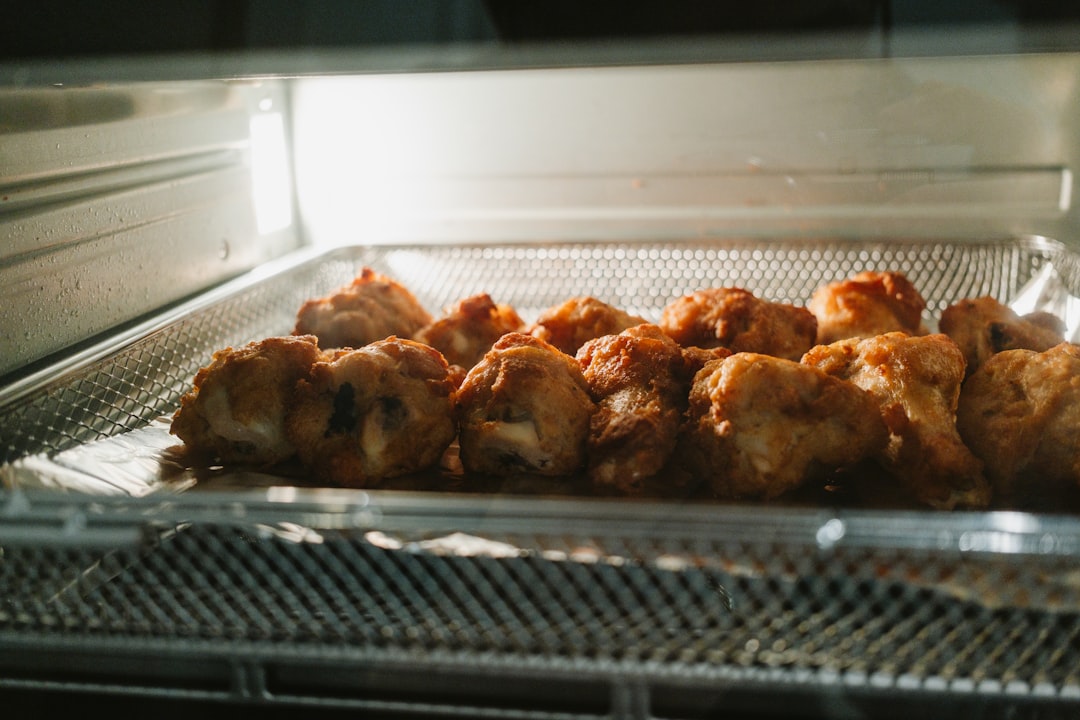
A homeowner once called frustrated because her air fryer kept producing rubbery wings. She'd followed a recipe online, set the temperature to 380°F, and cooked for 20 minutes. The problem wasn't the recipe — it was that she was cooking straight from frozen without patting the wings dry first, and she was stacking them three layers deep in the basket.
Moisture is the enemy of crispiness. Frozen food releases steam as it thaws during cooking. If you don't account for that — either by thawing first, patting dry, or giving extra airflow room — you'll fight that steam the whole time. Once she adjusted, the results were completely different. Same appliance, same recipe, totally different outcome.
What the Air Fryer Does Best (And Where It Falls Short)
Air fryers genuinely shine with reheating leftovers, cooking frozen foods, roasting vegetables, and making quick proteins like salmon fillets or thin pork chops. If you've ever tried reheating pizza in a microwave versus an air fryer, you already know — there's no comparison. The crust stays crisp, the cheese melts properly, and it takes about four minutes.
Where it struggles: large roasts, anything with a wet batter (it drips and burns), and dishes that need a lot of liquid. For those, your oven or stovetop is still the right tool. Knowing the appliance's limits saves a lot of frustration.


