
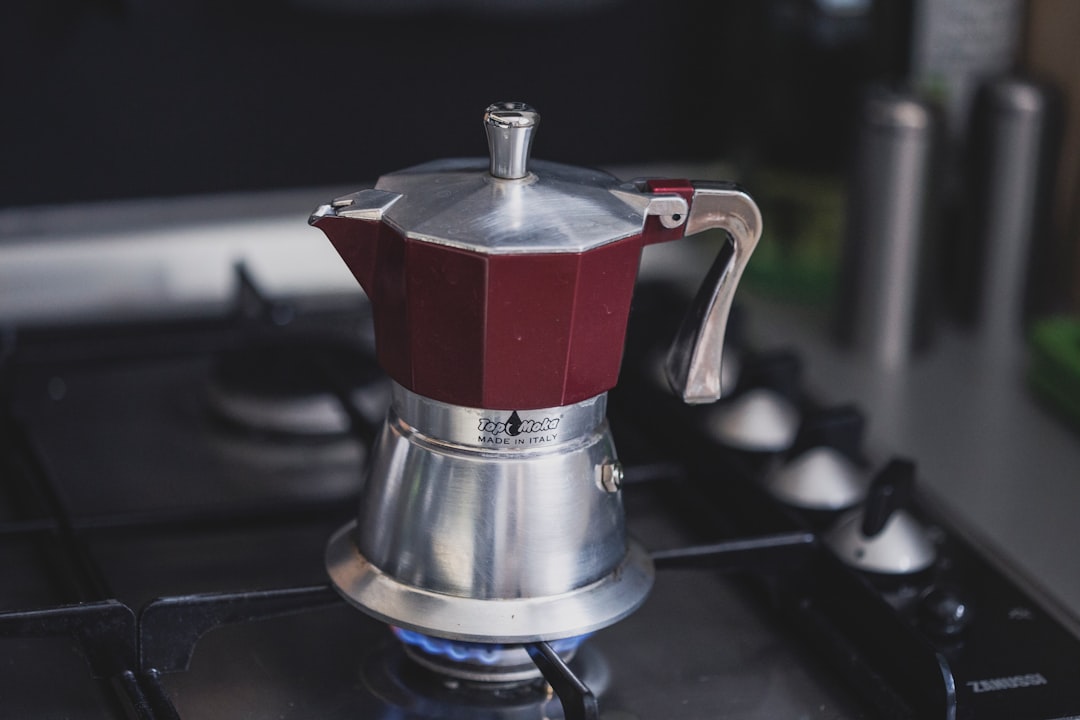
Discover why this viral TikTok coffee maker is worth the hype, what to watch out for, and how to get the most out of it from day one.
Why This Coffee Maker Is Blowing Up — And Whether It Actually Delivers
If you've spent more than ten minutes on TikTok lately, you've probably seen it. A sleek, compact coffee maker sitting on a spotless kitchen counter, brewing what looks like a perfect cup while some satisfying sound plays in the background. Comments are flooded with "I just ordered one" and "mine arrives tomorrow." But here's the thing — viral doesn't always mean practical. So let's talk honestly about what makes this machine worth it, what people are getting wrong, and how to set it up so it actually works the way those videos promise.
The machine getting the most attention right now is the Bruvi BV-01 single-serve brewer, and before that, the Fellow Stagg EKG pour-over setup made similar rounds. Both are genuinely well-designed products, but they come with a learning curve that TikTok clips conveniently skip over.
What Makes It Actually Good
The appeal isn't just aesthetic. These machines heat water to a precise temperature — usually between 195°F and 205°F — which is the sweet spot for proper coffee extraction. Most cheap drip machines hover around 175°F, which is why your home coffee never tastes like the café down the street. That temperature gap is the real culprit, and these viral brewers solve it without requiring a barista certification.
In many homes, we see people spending money on premium beans and then using a $30 coffee maker that can't get water hot enough to unlock those flavors. It's like buying a great steak and cooking it on the lowest burner setting. The equipment matters more than most people realize.
The Setup Mistake Most Buyers Make First
Here's a real situation that comes up constantly: someone unboxes their new machine, runs it once without reading anything, and then complains the coffee tastes off or plasticky. That's almost always because they skipped the initial flush cycles. Most quality coffee makers — including these viral models — need two to three full water cycles run through before your first actual brew. Manufacturers build in residual oils and manufacturing byproducts that need to be cleared out. It's not a defect. It's just a step people skip.
Another overlooked detail is water quality. These machines are sensitive. Hard tap water will start clogging the internal lines within a few weeks of regular use. Using filtered water from the start isn't just a preference — it's maintenance. A descaling cycle every four to six weeks keeps the heating element performing the way it should.
The Pour-Over Attachment Trend Within the Trend
A secondary wave on TikTok is pushing manual pour-over setups — specifically the Fellow Stagg kettle paired with a Hario V60 or Chemex dripper. This approach gives you complete control over brew time, water temperature, and flow rate. The results can be genuinely exceptional, but the margin for error is higher. Pour too fast and you get weak, sour coffee. Pour too slow and you over-extract into bitter territory.
If you're new to coffee and just want a reliable, great-tasting cup without the technique involved, a quality automatic brewer is the smarter starting point. Save the manual pour-over for when you've developed a feel for what good extraction actually tastes like.
Is the Hype Worth Your Money?
Genuinely — yes, with conditions. These machines cost more upfront, typically between $80 and $250 depending on the model. But the cost per cup drops significantly compared to a daily café habit, and the quality difference over a basic drip machine is not subtle. You'll notice it on the first properly brewed cup


