
Learn the simple $15 maintenance habit that helps your home appliances last years longer. Real tips from experienced technicians inside.
One Small Habit Most Homeowners Skip Completely
Most appliance breakdowns don't happen overnight. They build up slowly over months — sometimes years — because of one thing nobody warned you about: restricted airflow and dirty components. The good news? A $10 to $15 investment in the right cleaning tools, done once or twice a year, can genuinely add three to five years to the life of your most expensive home appliances. This isn't a marketing pitch. It's something technicians see proven in the field every single week.
What's Actually Killing Your Appliances
Heat is the number one enemy of any appliance with a motor or compressor. When airflow gets blocked — whether by lint, dust, or debris — components run hotter than they were designed to. Motors work harder. Compressors cycle longer. Electronics overheat. All of that adds up to a shortened lifespan and, eventually, an expensive repair call or full replacement.
In many homes, we see refrigerators running almost constantly because the condenser coils on the back or bottom are completely caked in dust. The appliance is essentially running a marathon in a wool coat. The same goes for dryers with partially clogged vents — the heating element and thermal fuse are under constant stress, which is also a fire hazard most homeowners don't realize.
The $15 Fix: A Dryer Vent and Coil Cleaning Kit
Here's the specific move: pick up a flexible dryer vent cleaning brush kit and a coil cleaning brush (sometimes sold together) from any hardware store for around $12 to $18. That's your toolkit. Used correctly twice a year, it's one of the highest-return maintenance habits you can build.
Cleaning Your Dryer Vent
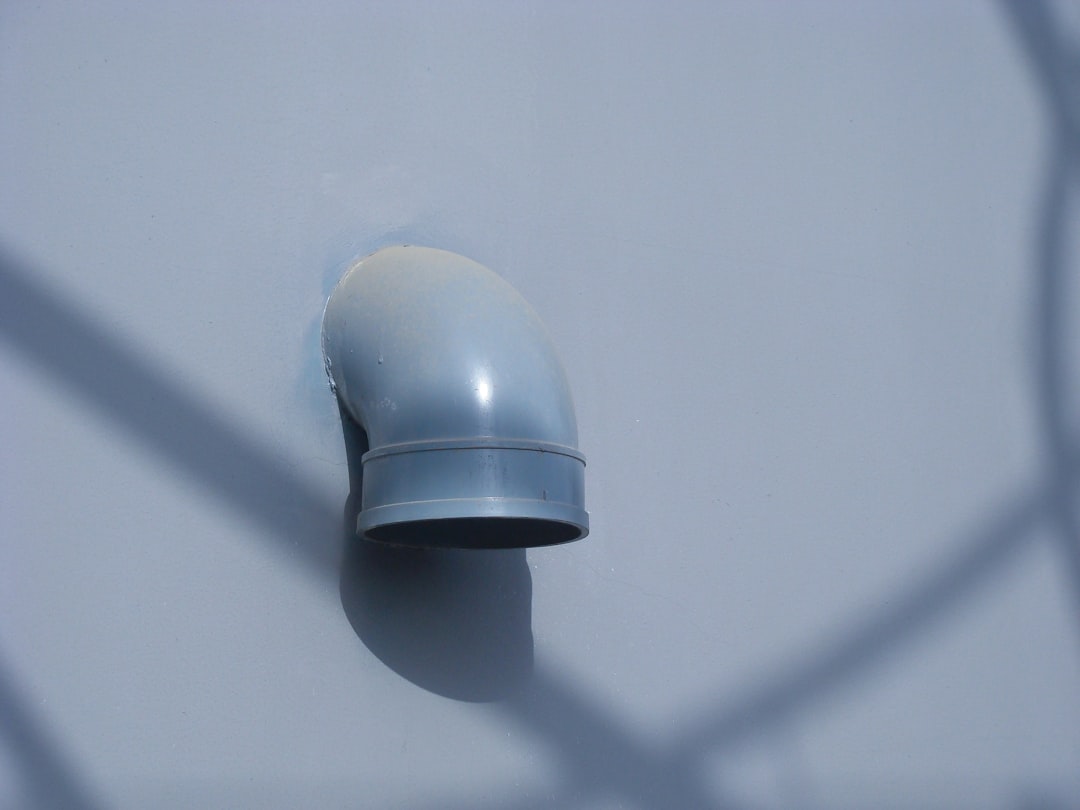
Pull the dryer away from the wall. Disconnect the duct from the back of the machine and use the flexible brush to push through the full length of the vent line, all the way to the exterior wall cap. You'll likely pull out a surprisingly large amount of lint — especially if it hasn't been done in a year or more. One homeowner in a routine service visit last spring had over two feet of compacted lint sitting in a 90-degree bend just behind the wall. Her dryer had been taking 90 minutes per load. After the cleaning, it was back to 45 minutes. That's motor strain, energy waste, and early failure all wrapped into one clog.
Don't forget to clean the lint trap housing too, not just the screen. Use a narrow vacuum attachment or the brush to clear out what builds up around the sides of the trap slot.
Cleaning Refrigerator Condenser Coils
On most refrigerators, the condenser coils are either behind a rear panel or accessible from a grille at the bottom front. Unplug the fridge first — always. Use the coil brush to gently sweep away dust buildup, then follow with a vacuum. This takes about ten minutes. If the coils are heavily coated, you may notice the refrigerator running quieter almost immediately. That's the compressor no longer working overtime to compensate for poor heat dissipation.
Many people overlook the area around the fan motor near those coils. Dust buildup there restricts airflow even further and can cause the fan to seize over time — a repair that often runs $150 to $250 when it could have been prevented entirely.
Other Appliances That Benefit From the Same Logic
This same principle applies to dishwashers (clean the filter and spray arm holes regularly), washing machines (wipe door seals and clean the drum with a maintenance cycle), and range hood filters (grease buildup forces the motor to work harder). The tools are in


