
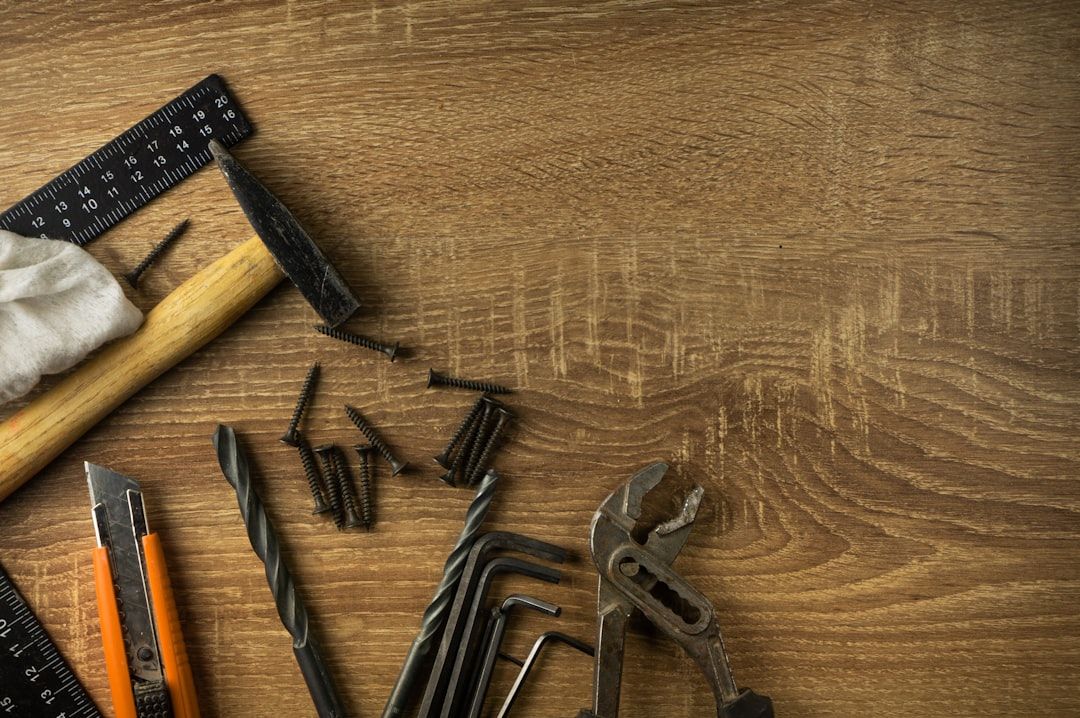
Discover simple, affordable home upgrades that improve comfort, efficiency, and value. Expert tips from real technicians on what works and what to skip.
The Small Stuff That Actually Moves the Needle
Most homeowners assume that making a real impact on their home means a full kitchen remodel or a new roof. But after years of walking through hundreds of homes, the truth is a little more humbling than that. Some of the most noticeable improvements come from changes that cost under $200 and take an afternoon. The trick is knowing which ones actually matter and which ones are just marketing noise.
Start With What You Use Every Day
The upgrades that deliver the most satisfaction are the ones tied to your daily routine. A sticky door that drags on the floor. A faucet that takes 45 seconds to get hot. A light switch that's in the wrong spot. These aren't glamorous problems, but fixing them changes how you feel in your own home every single day.
Upgrade Your Showerhead — Seriously
This one gets dismissed constantly, but a low-flow showerhead that came with your home builder special in 2009 is quietly making your mornings worse. A quality showerhead in the $40–$80 range can improve water pressure, reduce hot water waste, and cut your water bill. In many homes, we see the original builder-grade fixtures still in place 15 years later. Swapping one out takes about 10 minutes with an adjustable wrench and some plumber's tape.
Weatherstripping on Exterior Doors
Here's a situation that comes up constantly: a homeowner notices their energy bill creeping up every winter, they call for an HVAC inspection, and the system checks out fine. The real culprit? A front door that's letting in cold air along the bottom and sides. You can sometimes feel it with your hand on a windy day. Replacing worn weatherstripping costs about $20–$30 per door and can make a noticeable difference in both comfort and heating costs. People overlook this because the damage is gradual — you don't notice it until you fix it.
Lighting Makes More Difference Than People Expect
Switching to LED bulbs is advice that's been around for years, but the part most people skip is the color temperature. A lot of homeowners replace their bulbs with LEDs but pick the wrong kelvin rating — they end up with a bright, bluish light in their living room that feels like a dentist's office. Warm white bulbs in the 2700K–3000K range create a more comfortable, inviting atmosphere in living spaces. Save the cool, bright options for garages and utility areas where task lighting matters more.
Add a Dimmer Switch Where You Spend Time
A dimmer switch in the living room or dining area is one of those upgrades that people wonder why they waited so long to do. It's a $15–$25 part and about 30 minutes of work if you're comfortable with basic electrical. Just make sure your bulbs are dimmer-compatible — this is the most common mistake we see. LED bulbs are not all created equal, and some will flicker badly on a dimmer circuit if they're not rated for it.
Don't Overlook Your Water Heater Settings
Most water heaters ship from the factory set to 140°F. For the average household, 120°F is perfectly adequate and reduces the risk of scalding, slows mineral buildup inside the tank, and cuts energy use. It takes about two minutes to adjust the dial on a standard tank heater. This won't transform your home, but it's a smart, zero-cost improvement that most people have never thought about.
Simple Changes, Real Results
You don't need a renovation budget to make your home feel better to live in. The upgrades that matter most are usually the ones that solve an actual friction point in


