
Discover easy, affordable ways to make your home smarter today. From smart plugs to video doorbells, these upgrades are practical and worth it.
Turning your home into a smart home does not require a massive renovation or a sky-high budget. In fact, some of the most impactful upgrades cost less than $50 and take under an hour to set up. Whether you are a renter in a Chicago apartment or a homeowner in suburban Texas, there are simple, practical steps you can take right now to add convenience, security, and energy efficiency to your everyday life.
Why Smart Home Upgrades Are Worth It
A smarter home is not just about cool gadgets. It is about making daily routines easier, reducing energy waste, and improving the safety of your household. The good news is that most modern smart devices are designed to work without professional installation. They connect through your existing Wi-Fi network and are controlled through a smartphone app or a voice assistant like Amazon Alexa or Google Home. You do not need to be tech-savvy to get started. If you can plug in a lamp or download an app, you can make meaningful upgrades today.
Start With a Smart Thermostat
One of the single best investments you can make is replacing your old thermostat with a smart one. Brands like Ecobee and Google Nest are popular choices across the United States, and they typically pay for themselves within a year through energy savings.
A smart thermostat learns your schedule and adjusts the temperature automatically. It knows when you leave for work and when you come home. It can also be controlled remotely, so if you forgot to turn down the heat before a vacation, you can do it from your phone no matter where you are. According to the EPA, smart thermostats can save homeowners around 8 percent on heating and cooling bills annually. Over time, that adds up significantly.
Add Smart Plugs to What You Already Own
You do not need to replace all your appliances to start building a smarter home. Smart plugs allow you to control any standard outlet device using your phone or voice commands. Plug in your coffee maker, floor lamp, space heater, or fan and you instantly have the ability to turn it on or off remotely, set schedules, and even monitor energy usage.
This is especially useful for catching energy hogs. Some smart plugs show you exactly how much electricity a device is drawing. If you discover your older television or gaming console is pulling power even in standby mode, you can set the plug to cut power during off hours automatically.
Upgrade Your Lighting
Smart bulbs are an easy entry point for anyone just getting started. Brands like Philips Hue, LIFX, and Wyze offer bulbs that screw into your existing fixtures and connect to your Wi-Fi or a small hub. You can dim them, change their color temperature for morning versus evening lighting, set schedules, and control everything from your phone.
For families with kids, smart lighting can be a game changer. Set the lights in the living room to slowly dim in the evening to signal bedtime. Program the porch light to turn on automatically at sunset. These small automations reduce the number of things you have to remember each day and make your home feel more responsive to your actual life.
Install a Video Doorbell
A video doorbell is one of the most popular smart home devices in the country for good reason. Products from Ring, Nest, and Eufy let you see, hear, and speak to anyone at your front door from your smartphone, even when you are not home. This adds a real layer of security and convenience, especially for households that receive frequent deliveries.
Most video doorbells are relatively easy to install if your home already has a wired doorbell. Battery-powered options are available for homes without existing wiring. Setup typically takes about 30 minutes and requires no special tools beyond a screwdriver.
Use a Smart Speaker as Your Control Hub
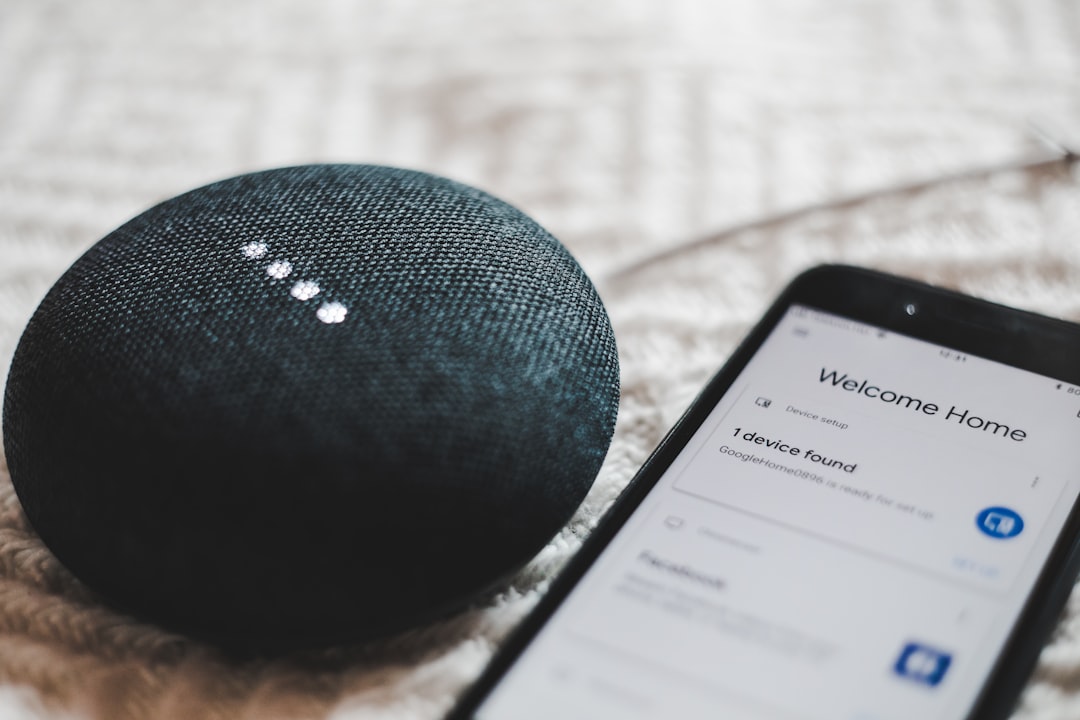
If you want to tie all of your smart devices together, a smart speaker or display makes the experience much smoother. Amazon Echo and Google Nest Hub devices act as a central voice-controlled hub for your home. You can ask them to turn off the lights, check the thermostat, play music, add items to a grocery list, or lock your smart door lock, all without touching your phone.
These devices also work as everyday home assistants. Timers for


