
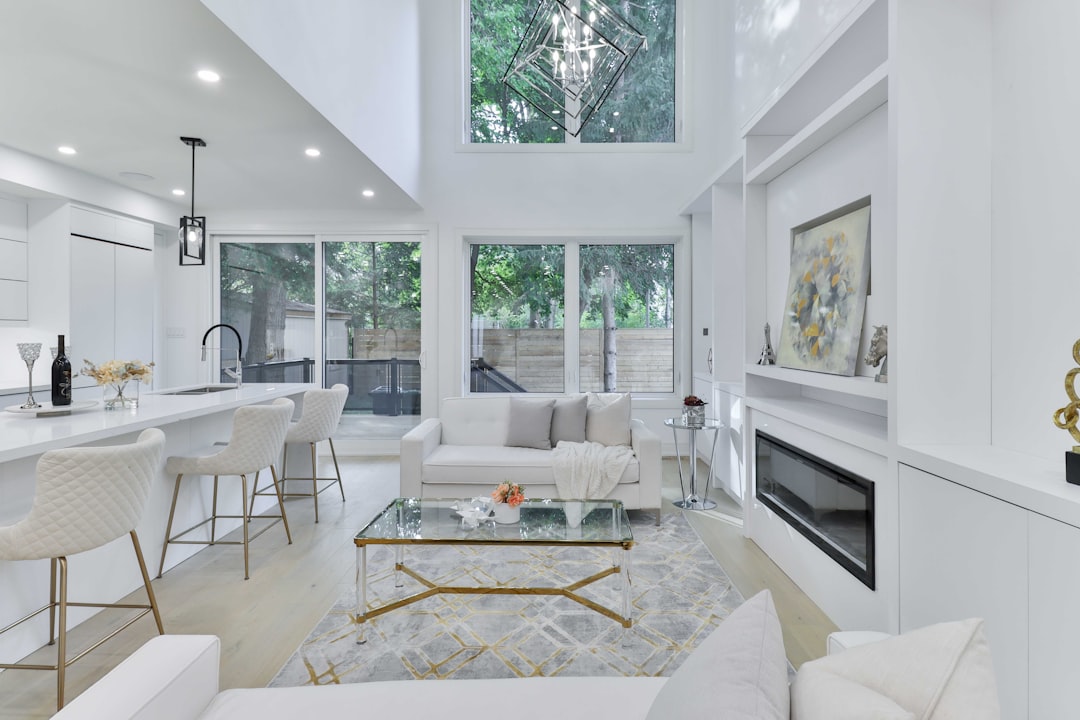
Discover practical, budget-friendly ways to make your home look more expensive with expert tips that deliver real results inside and out.
Small Changes, Big Impact on How Your Home Feels
Most homeowners assume making a home look upscale requires a full renovation budget. The truth is, after working in and around hundreds of homes across the country, the difference between a home that feels polished and one that feels dated often comes down to a handful of overlooked details — things most people walk past every day without noticing.
You don't need to gut your kitchen or replace your flooring. What you do need is a clear eye and a willingness to focus on the right things first.
Start With Hardware — It's the First Thing People Touch
Cabinet hardware is one of the most underestimated upgrades in any home. In many homes, we see original builder-grade brass pulls from the 1990s still hanging on kitchen cabinets that were otherwise updated years ago. That mismatch sends the wrong signal to anyone walking into the room.
Swapping out cabinet handles and drawer pulls for brushed nickel, matte black, or aged bronze options costs anywhere from $2 to $8 per piece at most hardware stores. A full kitchen update with new pulls typically runs under $150 and takes a Saturday afternoon. The visual difference is immediate and significant.
The same logic applies to door hinges, doorknobs, and even light switch plates. When all the metal finishes in a room match — or at least complement each other — the space reads as intentional and designed rather than assembled over time.
Lighting Does More Work Than Most People Realize
One of the most common situations we encounter is a beautifully furnished living room that feels flat and dull because the lighting hasn't been thought through. A single overhead fixture with a standard bulb washes everything out evenly, which creates no depth and makes even nice furniture look cheap.
Layering your lighting changes everything. Add a floor lamp in a dark corner, a table lamp on a side table, and consider swapping that flat overhead fixture for something with a bit of visual weight — a drum shade pendant or a simple chandelier. None of these need to cost a fortune. What matters is the layering effect.
Also, pay close attention to bulb color temperature. Bulbs in the 2700K to 3000K range produce a warm white light that flatters interiors far better than the harsh cool-white bulbs that often come standard in rental properties and new builds.
Trim, Paint, and the Details Nobody Mentions
Fresh paint gets talked about constantly, but what's often left out is the importance of crisp, clean trim. Baseboards, door casings, and window trim that are yellowed, scuffed, or caulked sloppily make even fresh wall paint look sloppy by association.
A coat of bright white semi-gloss on all your trim — done carefully with a steady hand or proper tape — creates a clean contrast that immediately elevates the entire room. It's one of those finishing touches that professional stagers rely on because it works consistently across different home styles and price ranges.
Another detail people often overlook is the front door. A bold, well-chosen front door color paired with a new handle set and a clean, updated house number dramatically improves curb appeal. We've seen homes where this single change made the property feel significantly more cared for before a buyer even walked inside.
Declutter With Purpose, Not Just Volume
There's a difference between a home that's minimalist and one that's simply empty. The goal isn't to remove everything — it's to be selective about what stays and how it's arranged. Groupings of three objects on a shelf, consistent frame sizes in a gallery wall, and furniture that doesn't crowd the walkways all signal that the space was put together thoughtfully.
In many homes, we see a mix of too many small decorative items scattered across surfaces.


