
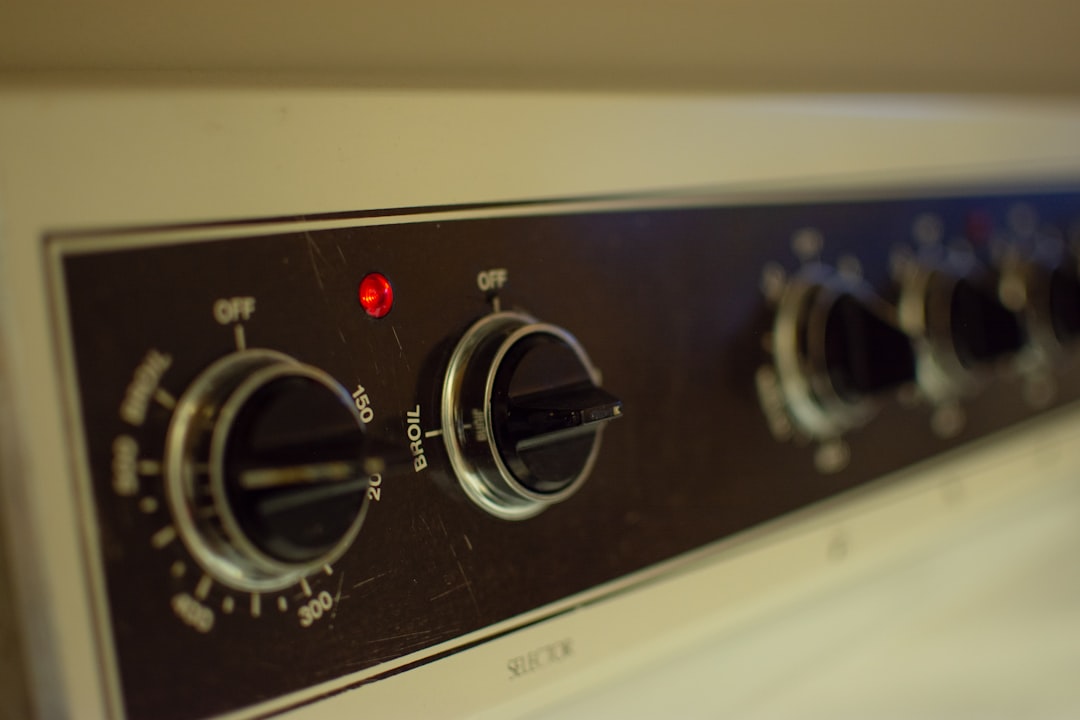
Learn the real warning signs that your home appliances are failing and when replacement makes more sense than another costly repair.
When to Stop Repairing and Start Replacing
Most homeowners don't think about their appliances until something goes wrong — and by then, they've usually already paid for one or two repairs that didn't stick. The truth is, appliances give you plenty of warning before they completely fail. You just need to know what to look for. After years of working on refrigerators, washers, dryers, and dishwashers in homes across the country, I can tell you the signs are almost always there long before the final breakdown.
Your Repair Bills Are Adding Up Fast
There's a rule of thumb in the appliance world: if the repair cost is more than 50% of what a new unit would cost, it's time to replace it. But a lot of homeowners ignore that and keep throwing money at an old machine. I've seen situations where someone paid $300 to fix a washing machine, then another $200 two months later for a different issue — and the machine was already 12 years old. At that point, every component is near the end of its life. One fix doesn't mean the others are going to hold.
In many homes, we see appliances that have been patched together with repairs over several years, when a straightforward replacement would have saved the homeowner money within the first 18 months.
Performance Has Noticeably Dropped Off
This one gets overlooked constantly. Your refrigerator isn't keeping food as cold as it should. Your dryer takes two full cycles to dry a normal load. Your dishwasher leaves dishes cloudy or wet when it used to clean everything perfectly. These aren't minor quirks — they're signs that core components like compressors, heating elements, or spray arms are wearing out.
A dryer that takes twice as long to run doesn't just frustrate you — it costs you more in electricity every single month. Same goes for a refrigerator with a failing compressor that's running constantly to maintain temperature. The energy waste adds up fast, and in most cases, a newer, more efficient model will pay for part of itself through lower utility bills.
Unusual Noises, Smells, or Leaks
Grinding, banging, or squealing sounds from a washing machine usually point to worn drum bearings or a failing motor. A burning smell from your dryer could mean a clogged vent or a deteriorating heating element — either of which is a fire hazard, not just an inconvenience. Water pooling under your refrigerator or around your dishwasher is rarely a one-time thing. It typically signals a failing seal, cracked hose, or internal drain issue that will only get worse.
Any time you smell something electrical or burning from an appliance, stop using it immediately. That's not a "wait and see" situation.
The Appliance Is Simply Too Old
Age matters more than most people realize. Refrigerators typically last 10–15 years. Washing machines and dryers average around 10–12 years. Dishwashers usually start declining around the 9–10 year mark. Once an appliance hits or exceeds those ranges, parts become harder to find, technicians charge more for the labor, and the likelihood of another failure soon after a repair increases significantly.
If your appliance is past its expected lifespan and showing any of the symptoms above, replacement isn't giving up — it's the smarter financial move.
It No Longer Meets Your Household Needs
Sometimes the issue isn't mechanical failure at all. A compact washer that made sense for a single person becomes a daily frustration for a family of four. An older refrigerator that ran fine for years simply doesn't have enough capacity for a growing household. Matching the right appliance to your actual usage patterns makes a real difference


