
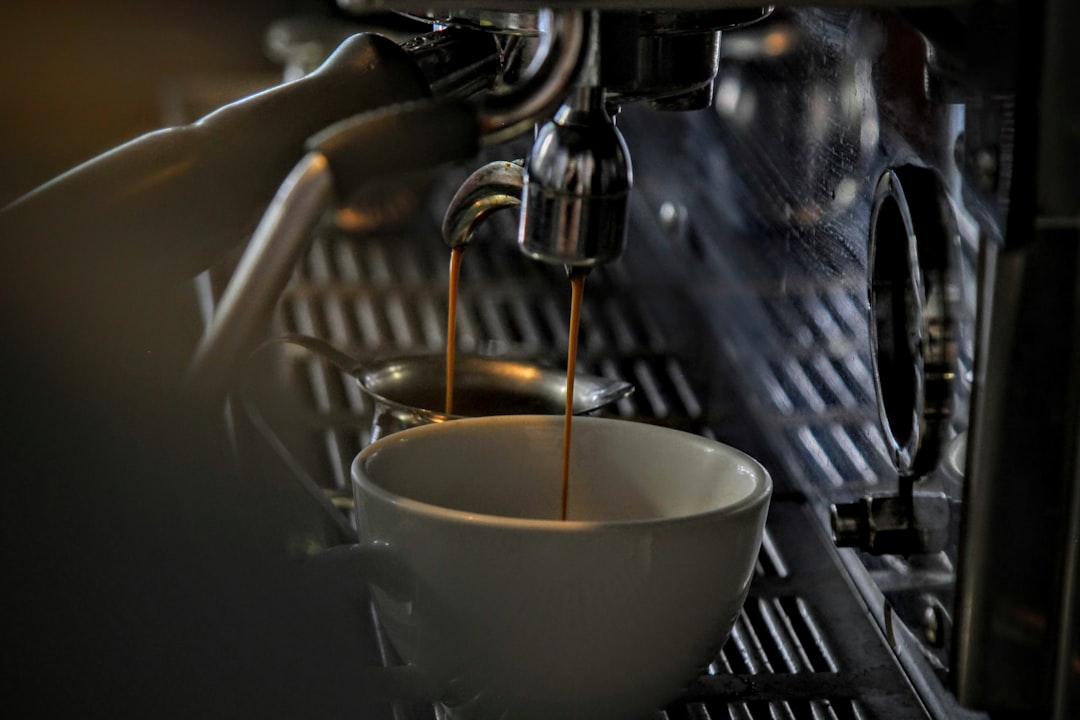
Compare Ninja and Breville coffee machines side by side. Find out which one suits your home, budget, and daily coffee routine best.
Choosing Between Ninja and Breville Is Harder Than It Looks
Walk into any appliance store or scroll through Amazon for five minutes and you'll quickly realize that picking between Ninja and Breville isn't a simple decision. Both brands have loyal followings, both make genuinely good machines, and both have models that range from budget-friendly to surprisingly expensive. The honest answer is that the better machine depends almost entirely on what you actually do in your kitchen every morning.
After seeing both machines in dozens of homes — helping people troubleshoot brewing issues, scale buildup, and grinding inconsistencies — there are some clear patterns worth knowing before you spend your money.
What Ninja Does Really Well
Ninja built its coffee reputation on versatility and value. The Ninja Coffee Bar and the newer Ninja Specialty series give you drip coffee, rich concentrate, over-ice brew, and even a frothy café-style drink — all from one machine sitting on your counter. For a household where one person wants a full carafe and another wants a single strong cup before work, Ninja genuinely solves that problem without requiring two separate appliances.
In many homes, we see the Ninja being the go-to choice for families who want flexibility without complication. The controls are intuitive enough that guests can figure it out in thirty seconds, and the price point — usually between $100 and $180 for the mid-range models — makes it accessible without feeling cheap.
The one area where Ninja users run into trouble is the built-in frother. It works, but it won't give you the dense, textured microfoam that serious latte drinkers expect. It's steam-wand quality compared to a proper espresso machine — manageable, not exceptional.
Where Breville Pulls Ahead
Breville targets a different kind of coffee drinker. Their machines — especially the Breville Barista Express and the Precision Brewer — are designed for people who care about extraction quality, water temperature consistency, and grind size. These are not beginner machines. They reward attention and punish neglect.
Take the Breville Barista Express as a real example. It has a built-in conical burr grinder, adjustable grind settings, and a 15-bar pump for proper espresso extraction. When set up correctly, it produces shots that rival a $500 standalone espresso machine. But here's what most people overlook: if you don't dial in the grind and tamp pressure during the first week, you'll get sour or bitter shots and assume the machine is broken. It's not — it just has a learning curve that Ninja simply doesn't have.
The Breville Precision Brewer, on the other hand, is their drip coffee answer — and it's genuinely impressive. It hits the SCAA-certified brew temperature between 197°F and 205°F consistently, which most cheap drip machines miss entirely. If you've ever wondered why your home coffee never tastes as good as a café drip, water temperature is usually the reason.
Real-Life Scenario: The Wrong Machine for the Wrong Home
A client once called about a Breville Barista Express producing weak espresso shots every single time. After walking through the settings, it turned out they were using pre-ground coffee in a machine built around fresh grinding — the grind size was completely off for the portafilter basket. They'd spent $700 and were using it like a $50 pod machine. Switching to whole beans and adjusting the grind dial made an immediate, dramatic difference. The machine was never the problem.
This happens more than you'd think. Breville machines require the right inputs to perform. Ninja machines are far more forgiving of whatever coffee you throw at them.


