
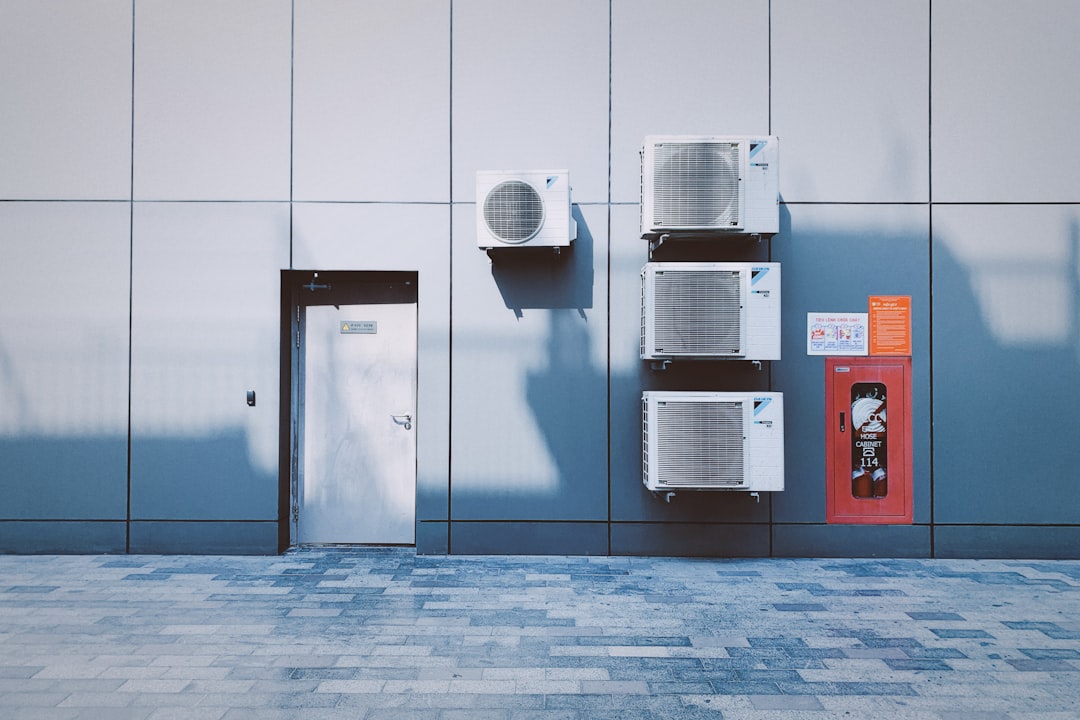
Discover the most common AC repairs homeowners face in summer, what causes them, and how to fix or prevent them before the heat hits hard.
When Your AC Fails in July, You Need Answers Fast
Summer is when your air conditioner works hardest — and unfortunately, it's also when it's most likely to break down. After months of sitting idle, components wear out, refrigerant levels drop, and small issues that went unnoticed in spring suddenly become a 90-degree emergency. Most of these breakdowns aren't random. They follow patterns we see every season, and understanding them can save you time, money, and a very uncomfortable week waiting on parts.
Refrigerant Leaks
This is one of the most misunderstood problems in residential AC. A lot of homeowners assume their system just "runs low" on refrigerant over time and needs a seasonal top-off. That's not how it works. Refrigerant runs in a closed loop — if the level is low, there's a leak somewhere in the system. Topping it off without finding and fixing the leak is like pouring water into a bucket with a hole in the bottom.
Common signs include warm air from the vents, ice forming on the refrigerant line near the outdoor unit, or a noticeable hissing sound. In many homes, we find leaks at the Schrader valve or at a corroded coil joint — spots that are easy to overlook during a basic inspection. A proper fix means leak detection, repair, and then a full recharge to manufacturer specs.
Frozen Evaporator Coils
A frozen coil sounds like a cooling problem, but it's almost always caused by restricted airflow or low refrigerant. The most common culprit? A clogged air filter. We've walked into homes where the filter hadn't been changed in over a year, and the coil was completely encased in ice. The system was running constantly but barely moving air through the house.
If you notice reduced airflow and warm air coming from vents, turn the system off and let it thaw completely before running it again — usually 2 to 3 hours. Then replace the filter. If it freezes again, you're likely dealing with a refrigerant issue or a blower motor problem that needs professional attention.
Capacitor Failure
The capacitor is a small cylindrical component inside your outdoor unit that helps start and run the compressor and fan motors. It's one of the most frequently replaced parts in summer — and for good reason. Heat degrades capacitors faster than almost anything else, and a unit sitting in direct sun on a 95-degree day is working those components hard.
When a capacitor starts to fail, you might hear a humming sound from the outdoor unit, or the system will start briefly and then shut off. Sometimes the fan spins slowly or not at all. Replacement is relatively affordable — typically $150 to $300 with labor — and a good technician will test the capacitor's microfarad rating rather than just eyeballing it.
Dirty Condenser Coils
The outdoor condenser unit needs to expel heat from your home into the outside air. When the coils are coated in dirt, grass clippings, or cottonwood fluff, that heat transfer gets blocked. The system has to work harder, runs longer, and still doesn't cool effectively. We see this constantly in homes where the unit is surrounded by overgrown shrubs or where landscaping debris builds up around the base.
A professional coil cleaning once a year makes a real difference in efficiency and prevents unnecessary strain on the compressor — which is the most expensive component in the system to replace.
Drainage Problems
Your AC pulls moisture from the air as it cools, and that water drains out through a condensate line. When that line gets clogged with algae or mold — which happens regularly in


