
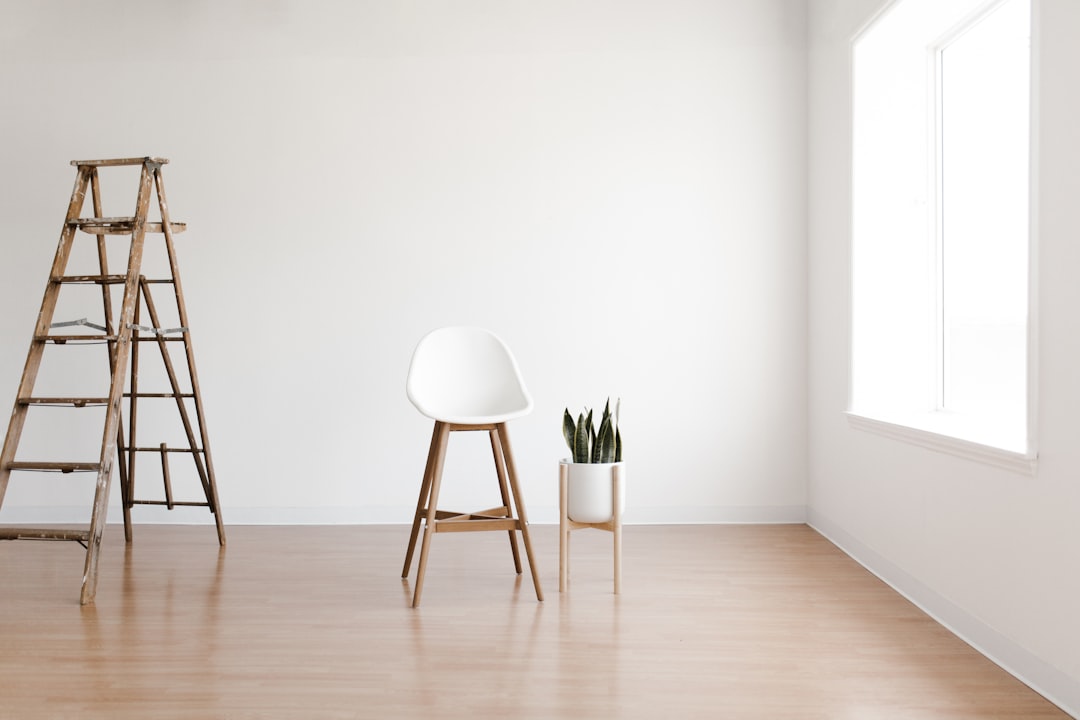
Discover practical minimalist home setup ideas that reduce clutter, save space, and create a calm, functional living environment in any US home.
A minimalist home is not about having an empty house or getting rid of everything you own. It is about being intentional with your space, keeping what serves a purpose, and removing what creates noise and stress. Whether you live in a studio apartment in Chicago or a suburban house in Phoenix, these minimalist home setup ideas can help you create a cleaner, calmer environment without a complete renovation.
Start With a Room-by-Room Approach
Trying to minimize your entire home in a single weekend is overwhelming and usually leads to burnout. Instead, focus on one room at a time. Start with the space where you spend the most time, whether that is the living room, bedroom, or kitchen. When you see results in one area, it motivates you to continue through the rest of the house.
The Living Room
In the living room, aim for a clear focal point, typically the seating area or a media console. Remove excess decorative items from shelves and surfaces. Keep only a few meaningful pieces rather than crowding every inch. Choose furniture with clean lines and hidden storage when possible. An ottoman with interior storage, for example, replaces a coffee table while also hiding blankets and remotes.
The Bedroom
Your bedroom should feel like a retreat. Remove anything that does not belong there, including work materials, exercise equipment, and extra furniture. A bed frame with under-bed drawers can replace a bulky dresser in smaller rooms. Stick to a neutral color palette on walls and bedding to create a sense of visual calm. Limit nightstand items to only what you use every single night.
Smart Storage Is the Foundation of Minimalism
Minimalism does not mean you have nothing. It means everything has a place. Investing in smart storage solutions makes it possible to keep a clean look without getting rid of essentials. Built-in shelving, wall-mounted organizers, and furniture with concealed compartments all help maintain a tidy appearance while keeping your belongings accessible.
Kitchen Organization
The kitchen is often the hardest room to minimize because it serves so many functions. Start by clearing your countertops completely. Only return appliances you use at least three times a week. Store everything else inside cabinets or donate items you rarely touch. Use drawer dividers to organize utensils and stackable containers to consolidate pantry goods. A clear counter instantly makes any kitchen feel larger and more functional.
Entryway and Hallways
Entryways set the tone for your entire home. A wall-mounted hook system, a single bench with shoe storage underneath, and a small tray for keys and mail is all most households need. Avoid letting the entryway become a dumping ground for bags, coats, and random items. When guests walk in and see a clean entry, the whole home feels more put together.
Choose Quality Over Quantity When Furnishing
One of the core principles behind a minimalist setup is buying fewer things but choosing them more carefully. Instead of filling a room with inexpensive furniture that you will replace in two years, invest in one or two quality pieces that will last and actually fit your space. Look for sofas, tables, and chairs in neutral tones that work well across different design changes over time.
Manage Digital and Visual Clutter Too
Minimalism extends beyond physical objects. Exposed cords, tangled wires, and cluttered screens can add just as much visual noise as physical stuff. Use cable management channels or cord covers to hide wires behind entertainment centers and desks. Mount your television on the wall to eliminate the need for a bulky TV stand. Even organizing your charging station neatly can make a noticeable difference in how a room feels.


