
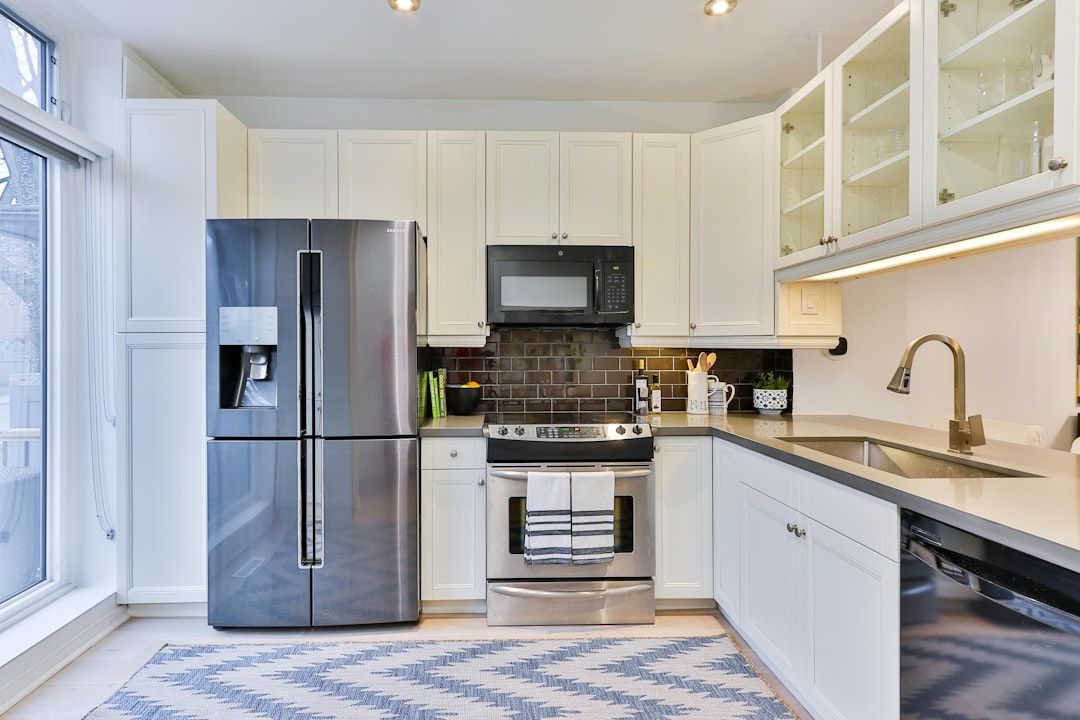
Discover which common kitchen appliances quietly drain energy and learn simple fixes to lower your electric bill starting today.
Your Kitchen Is Probably Your Biggest Energy Leak
Most homeowners look at their electric bill and immediately think about the HVAC system or lighting. But after years of walking through kitchens and running energy assessments, I can tell you the real culprit is usually much closer to the counter. Some of the most common kitchen appliances are running up costs in ways that aren't obvious until you actually start measuring draw levels and usage patterns. The good news is that most of these issues are fixable without replacing everything you own.
The Refrigerator: Always On, Often Inefficient
Your refrigerator runs 24 hours a day, seven days a week. That alone makes it one of the highest energy consumers in any home. But the bigger problem is when it's working harder than it should. A refrigerator with a worn door gasket — that rubber seal around the edges — loses cold air constantly, forcing the compressor to run more often to compensate. I've tested units where a bad gasket alone was adding 15 to 20 percent to the appliance's energy draw.
In many homes, we also see refrigerators placed directly next to the stove or in poorly ventilated cabinet spaces. Heat from cooking raises the ambient temperature around the fridge, and the unit has to work overtime just to maintain its internal temp. Moving a fridge even a few inches away from a heat source or improving airflow around the coils can make a measurable difference.
Quick Fix
Test your door gasket by closing the door on a piece of paper. If it slides out easily, the seal is failing and needs to be replaced. Also vacuum the condenser coils at least once a year — dust buildup is one of the most overlooked causes of high refrigerator energy use.
Older Dishwashers and the Heated Dry Trap
Dishwashers manufactured before 2013 often lack the efficiency standards required today. But even newer models can quietly drain power if you're using the heated dry cycle every single time. That heating element pulls significant wattage, and for most loads, it's completely unnecessary. Air drying works fine with a little patience.
I worked with a homeowner last year who couldn't figure out why her kitchen's circuit was consistently near capacity during evening hours. After checking everything, we traced a large portion of the draw back to a 2009 dishwasher running full heat cycles nightly. Switching to air dry and eventually upgrading to an Energy Star model cut that appliance's energy cost nearly in half.
Microwaves and the Standby Power Problem
This one surprises people. Your microwave is likely drawing power even when you're not using it. The clock display, the touch panel, the internal memory — all of it pulls what's called standby or phantom power. Individually it sounds minor, but a microwave in standby can use anywhere from 2 to 7 watts continuously. Multiply that across all your kitchen appliances with displays or clocks, and you're looking at a noticeable chunk of your monthly bill doing absolutely nothing useful.
Plugging your microwave into a smart outlet strip and cutting power when it's not in use is one of the easiest wins available. If you're shopping for a replacement, look at the Energy Star certified options — standby power ratings are now listed on most product spec sheets.
Coffee Makers Left On All Day
A standard drip coffee maker with a warming plate uses between 60 and 120 watts while that plate stays on. Leaving it running for four or five hours after your morning cup is essentially the same as running a small lamp all day — except it's also burning your coffee and degrading the heating element faster. Thermal carafe models eliminate the warming plate entirely and are


