
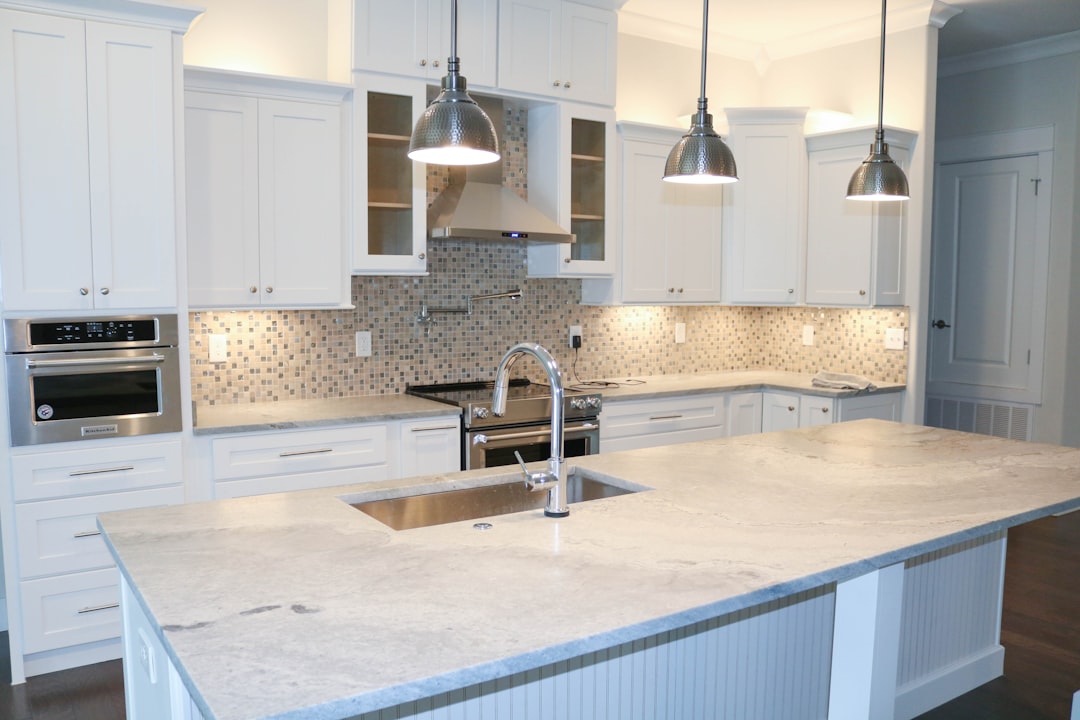
Discover practical tips to keep your home clean with less time and effort. Simple routines that actually work for busy households.
Cleaning Smarter, Not Harder
Most people don't struggle with cleaning because they're lazy. They struggle because their approach makes the job feel bigger than it needs to be. When cleaning only happens once a week in a full-blown three-hour session, it's exhausting — and the house still feels dirty by Tuesday. The real fix isn't more effort. It's better timing and smarter habits spread across the week.
The Small Daily Habits That Actually Make a Difference
In many homes, we see the same pattern: clutter and grime build up quietly until the mess feels overwhelming. Then the whole weekend gets sacrificed to fix it. The better move is to handle small things immediately before they stack up.
Take the kitchen, for example. Wiping down your stovetop right after cooking takes about 45 seconds. Waiting until grease bakes on? That's now a 20-minute scrubbing job. Same goes for bathroom sinks. A quick wipe after your morning routine keeps soap scum from hardening into something that requires real muscle to remove.
The Two-Minute Rule in Practice
If a task takes under two minutes, do it now. Hang up the jacket. Rinse the dish. Wipe the counter. These micro-habits sound almost too simple, but they prevent the avalanche of mess that makes cleaning feel like punishment. A family of four who practices this consistently will spend dramatically less time on deep cleaning every month.
Set Up Your Home to Clean Itself
One thing most people overlook is how their home's layout either fights them or helps them. If your cleaning supplies are buried under a cabinet across the house, you're less likely to grab them for a quick job. Keep a small caddy with basic supplies — an all-purpose spray, a microfiber cloth, and a scrubber — on each floor of your home. Convenience drives behavior.
Door mats are another underrated tool. A quality mat outside and inside each entry point cuts down dramatically on how much dirt travels through your home. In homes with dogs or kids, this single addition can reduce floor-cleaning frequency by nearly half.
Declutter First, Then Clean
Here's a mistake we see constantly: people try to clean around clutter. It never works well. Before you wipe or vacuum, do a fast five-minute pickup. Toss misplaced items into a basket, clear the counters, and straighten surfaces. Now cleaning is actually faster and more effective because you're not working around obstacles.
Build a Simple Weekly Rhythm
You don't need a complicated schedule. You need a consistent one. Assign light tasks to specific days so nothing piles up. For example, Mondays for bathrooms, Wednesdays for vacuuming, Fridays for kitchen surfaces. When each task only needs maintenance rather than a full reset, it takes a fraction of the time.
A real-life scenario we hear often: a homeowner who used to spend four hours cleaning every Saturday switched to 10-minute daily tasks and got their weekend back entirely. Nothing was ever deeply dirty because it never had time to get that way.
The Tools That Save the Most Time
Microfiber cloths outperform paper towels for most surfaces and they're reusable. A decent cordless vacuum you can grab quickly beats a heavy upright you dread pulling out of the closet. Robotic vacuums, while not perfect, are genuinely useful for maintaining floors between deeper cleans — especially in homes with pets. They won't replace a real vacuum, but they reduce how often you need one.
For deeper periodic cleaning tasks like carpets, upholstery, or air ducts, professional home cleaning services can handle the heavy lifting a few times a year, keeping your maintenance routine light the rest of


