
Learn the clear warning signs of a blocked dryer vent, why it's dangerous, and what to do before it becomes a costly or deadly problem.
Your Dryer Is Trying to Tell You Something
Most homeowners don't think about their dryer vent until something goes wrong — and by then, the problem is usually worse than it needed to be. A blocked dryer vent is one of those issues that builds slowly, shows subtle signs early on, and then suddenly becomes a serious hazard. The U.S. Fire Administration estimates that dryers cause around 2,900 home fires every year, and the leading cause is failure to clean the vent. Knowing what to look for can save you money, time, and in some cases, your home.
Warning Signs You Shouldn't Ignore
Clothes Take More Than One Cycle to Dry
This is usually the first thing people notice. You run a normal load of towels or jeans, and they come out still damp. So you run it again. This becomes the new normal — and that's exactly the problem. When a vent is partially blocked, hot moist air can't escape efficiently. The dryer works harder, the drum stays humid, and drying times stretch from 45 minutes to an hour and a half or more. In many homes, we see lint buildup that's been accumulating for two or three years by the time someone calls us. The homeowner just kept running extra cycles and assumed the dryer was getting old.
The Dryer or Clothes Feel Excessively Hot
After a cycle, your clothes should feel warm — not scorching. If you open the dryer door and get hit with intense heat, or if the outside of the machine itself is hot to the touch, that's a red flag. Restricted airflow traps heat inside the drum and around the motor. Over time, this thermal stress can damage heating elements and internal components. It's also a fire risk, because lint is highly flammable and heat is the ignition trigger.
You Can Smell Something Burning
This one needs immediate attention. A burning smell during or after a dryer cycle often means lint has built up close enough to the heating element to start scorching. Don't keep running the machine. Disconnect it and check the vent. We've seen situations where the vent duct had a tight bend in the wall — often a 90-degree elbow installed too close to the wall connection — and lint had packed in so densely that airflow was nearly zero. The homeowner smelled something odd for weeks before calling, and by then we pulled out a compressed plug of lint nearly eight inches long.
The Exterior Vent Flap Isn't Opening Properly
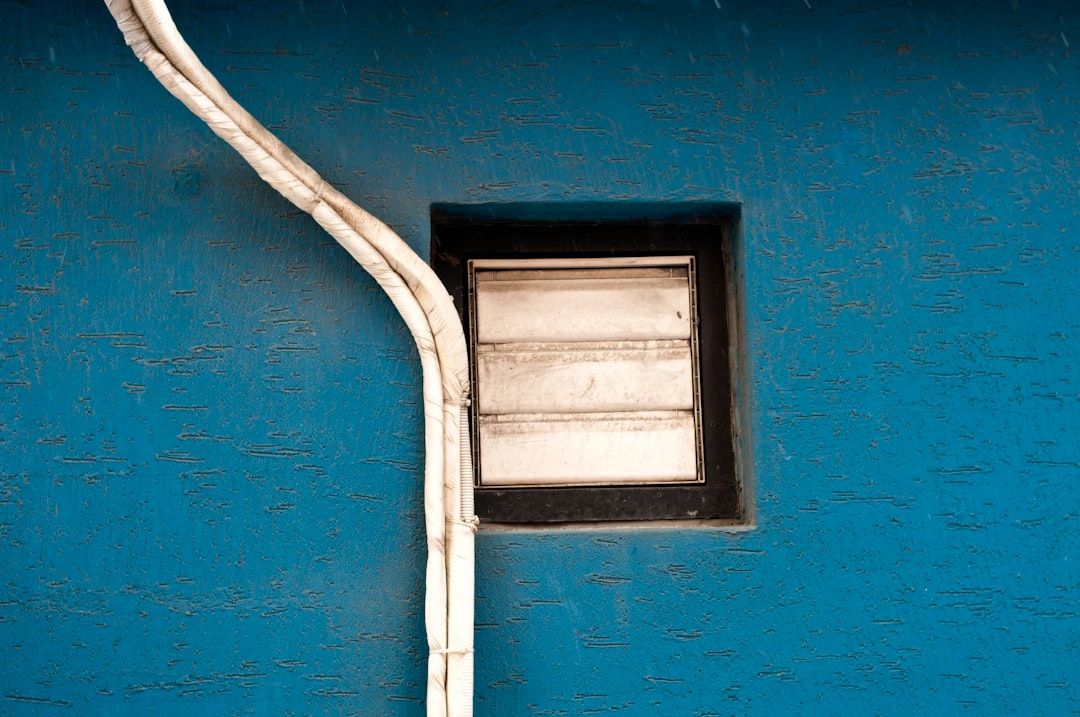
Take a walk outside and find your dryer exhaust vent — usually a louvered cover on an exterior wall or near the roofline. While the dryer is running, those flaps should open with airflow. If they're barely moving or completely still, that's a strong indicator that something is blocking the duct. Sometimes it's lint, but we also find bird nests, wasp nests, and even small debris that's gotten past a damaged vent cover. A simple visual check during a cycle takes less than two minutes and tells you a lot.
Humidity or Excess Lint Around the Laundry Area
If your laundry room feels unusually humid after a drying cycle, or if you're noticing lint collecting on surfaces near the dryer, the exhaust isn't going where it should. In some cases, a loose or disconnected duct section behind the dryer is venting heat and moisture directly into the wall cavity or room — which is both a moisture damage issue and a lint fire risk. Always pull your dryer away from the wall occasionally to inspect the flexible duct connection. It's a step most people never think to take.


