
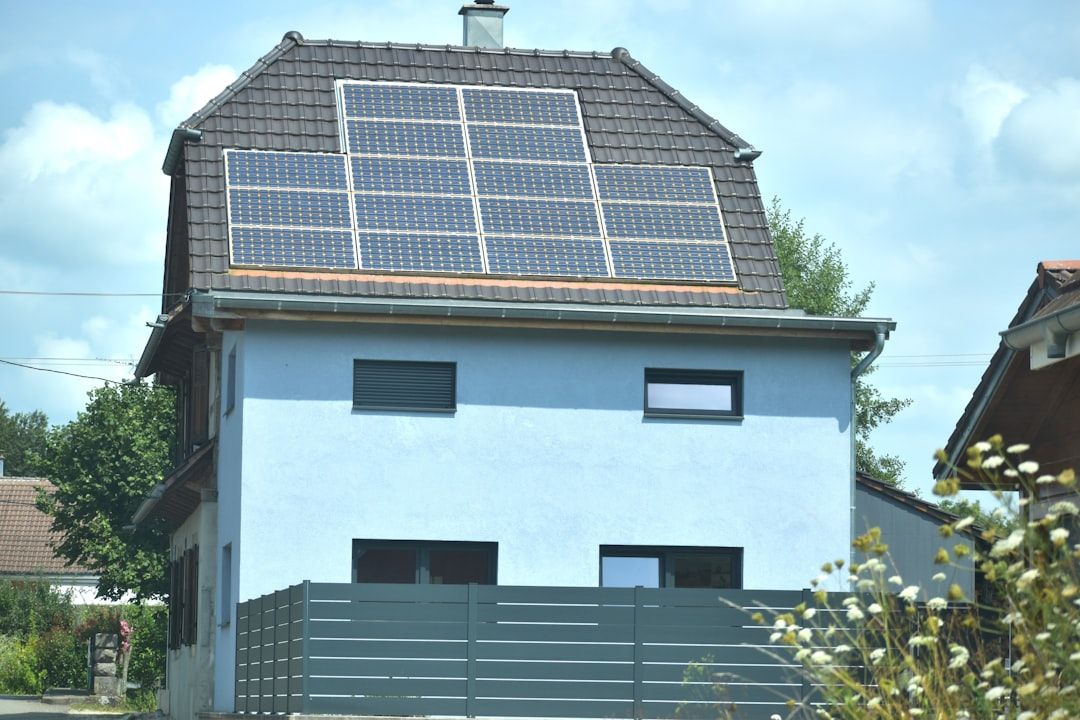
Discover practical ways to make your home more energy efficient, reduce monthly utility costs, and keep your appliances running at peak performance.
Making your home more energy efficient is one of the smartest investments you can make as a homeowner. Not only does it reduce your monthly utility bills, but it also improves comfort, extends the life of your appliances, and adds real value to your property. The good news is that you do not need to renovate your entire house to see meaningful results. A series of targeted upgrades and small habit changes can make a significant difference over time.
Start With a Home Energy Audit
Before spending money on upgrades, it helps to understand where your home is losing energy. A home energy audit identifies problem areas like drafty windows, poor insulation, and inefficient appliances. Many utility companies across the United States offer free or discounted audits to their customers. You can also hire a certified energy auditor who will use tools like blower door tests and thermal cameras to pinpoint exactly where your home is leaking conditioned air.
Once you have a clear picture of where energy is being wasted, you can prioritize the fixes that will give you the biggest return on investment rather than guessing where to start.
Seal Air Leaks and Improve Insulation
Air leaks are one of the most common causes of high energy bills in American homes. Gaps around doors, windows, electrical outlets, and plumbing penetrations allow heated or cooled air to escape constantly. Sealing these leaks with caulk or weatherstripping is inexpensive and can be done over a weekend without professional help.
Insulation is equally important. Attics are the most critical area because heat naturally rises and escapes through the roof. Adding insulation to your attic can reduce heating and cooling costs by up to 20 percent according to the U.S. Department of Energy. Crawl spaces and basement walls are also worth insulating, especially in colder climates.
Upgrade to Energy Efficient Appliances
Look for the ENERGY STAR Label
When it is time to replace an old appliance, choosing an ENERGY STAR certified model makes a noticeable difference. Refrigerators, dishwashers, washing machines, and water heaters that carry this label use significantly less electricity and water than standard models. A new ENERGY STAR refrigerator, for example, uses about 15 percent less energy than non-certified models, and the savings add up quickly over years of daily use.
Do Not Overlook Your HVAC System
Your heating and cooling system accounts for roughly half of your home's total energy use. If your HVAC unit is more than 10 to 15 years old, upgrading to a high-efficiency model with a good SEER rating can dramatically cut your cooling costs. Even if you are not ready to replace the unit, scheduling annual professional maintenance keeps it running efficiently and prevents small issues from turning into expensive breakdowns.
Install a Smart Thermostat
A programmable or smart thermostat is one of the highest-impact upgrades you can make for the cost. Devices like the Ecobee or Nest learn your schedule and adjust temperatures automatically so you are not heating or cooling an empty house. According to ENERGY STAR, a properly programmed thermostat can save you around 8 percent on heating and cooling bills each year. Installation is straightforward and most homeowners can handle it themselves in under an hour.
Switch to LED Lighting Throughout Your Home
If you still have incandescent or halogen bulbs anywhere in your home, replacing them with LED bulbs is one of the easiest energy efficiency wins available. LED bulbs use up to 75 percent less energy and last up to 25 times longer. The upfront cost has dropped significantly over the past few years, making this a simple and affordable upgrade for any budget. Focus first on lights that stay on the longest, such as


