
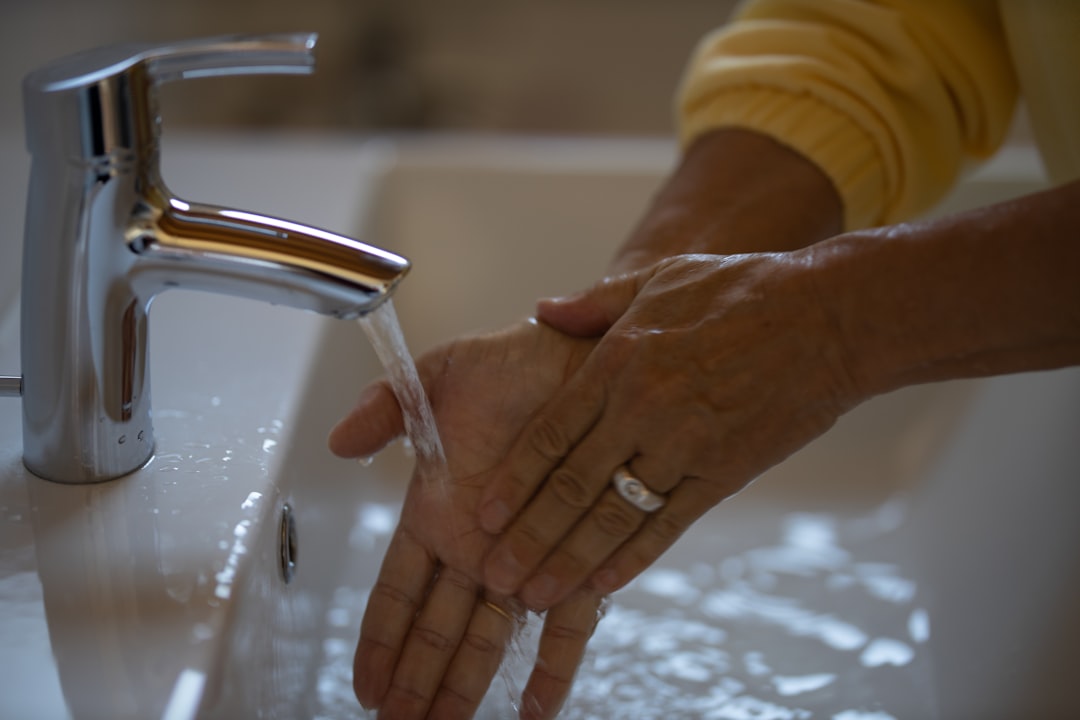
Dealing with weak water flow at home? Learn the most common causes of low water pressure and how to fix them fast with these practical tips.
Low water pressure is one of those household problems that starts as a minor annoyance and quickly becomes a daily frustration. Whether your shower feels like a light drizzle or your kitchen faucet takes forever to fill a pot, weak water flow has real causes — and most of them can be fixed without calling a plumber right away. Here is a practical, step-by-step guide to diagnosing and resolving low water pressure in your home.
Check Whether the Problem Is Isolated or Whole-House
Before doing anything else, figure out whether the low pressure affects just one fixture or every faucet and shower in the house. Turn on multiple faucets in different rooms and observe the flow. If only one fixture has weak pressure, the issue is localized — often a clogged aerator or a partially closed valve under the sink. If every outlet in the house is affected, the problem is more systemic and requires a different approach.
Common Causes of Low Water Pressure
Clogged Aerators and Showerheads
Mineral deposits from hard water are the number one cause of reduced flow at individual fixtures. Over time, calcium and magnesium build up inside aerators and showerhead nozzles, restricting water flow. Remove the aerator from the tip of your faucet by unscrewing it by hand or with pliers. Soak it in white vinegar for 30 minutes, scrub it clean, and reinstall it. Do the same with your showerhead. This simple fix often restores strong flow immediately.
Partially Closed Shut-Off Valves
Your home has a main shut-off valve, usually located near the water meter or where the main line enters the house. If this valve was recently turned during a repair and not fully reopened, it will restrict water flow throughout the entire home. Locate the valve and make sure it is completely open. For ball valves, the handle should be parallel to the pipe. For gate valves, turn it fully counterclockwise until it stops.
Faulty Pressure Regulator
Most homes built after the 1980s have a pressure regulating valve (PRV) installed where the main water line enters the house. This bell-shaped device keeps water pressure within a safe range, typically between 45 and 80 PSI. When the PRV fails or goes out of adjustment, pressure can drop significantly throughout the home. You can test your water pressure with an inexpensive gauge that attaches to an outdoor spigot. If the reading is below 40 PSI, the PRV may need adjustment or replacement. This is a job most handy homeowners can handle, but a plumber can do it quickly if needed.
Corroded or Leaking Pipes
Homes with older galvanized steel pipes are especially vulnerable to internal corrosion. As rust and mineral buildup accumulate on the inside of the pipes, the effective diameter shrinks and water flow decreases. Unfortunately, there is no quick fix for this — corroded pipes usually need to be replaced with copper or PEX tubing. If you have an older home and the pressure problem is persistent, have a plumber inspect the pipes for corrosion. Additionally, a hidden water leak anywhere in the system can also reduce pressure by diverting flow. Check for damp spots on walls, ceilings, or floors as a clue.
Municipal Supply Issues
Sometimes the problem is not inside your home at all. Contact your local water utility company to ask whether there are any known pressure issues in your area. Peak demand times, like early morning hours, can temporarily reduce pressure for everyone on the line. If neighbors report the same problem, the issue is outside your control and the utility company needs to address it.


