
Facing an appliance breakdown in LA? Learn what to do first, avoid costly mistakes, and get your home back to normal fast with these expert steps.
When an Appliance Breaks Down Without Warning
It's 7 PM on a Sunday. Your refrigerator has stopped cooling, your washing machine is leaking across the laundry room floor, or your oven just went out an hour before a family dinner. These situations happen more often than most people expect, and in a city like Los Angeles — where summers are brutal and households run hard — appliances take a beating year-round. Knowing what to do in the first 15 minutes can save you hundreds of dollars and prevent secondary damage to your home.
Step One: Stop the Damage Before You Fix Anything
The first instinct most people have is to call a repair company immediately. That's not wrong, but before you pick up the phone, you need to contain the situation. A leaking washing machine can soak into subfloors surprisingly fast. A refrigerator with a failed compressor that keeps running will overheat the motor and turn a fixable problem into a full replacement.
If you're dealing with a water-related appliance — dishwasher, washing machine, refrigerator with an ice maker — shut off the water supply line first. Most supply valves are located behind or underneath the unit. If you can't find it, shut off the main water supply to your home. It takes 30 seconds and it can save your flooring.
For electrical appliances like ovens, dryers, or HVAC units, unplug the unit or flip the dedicated circuit breaker. Don't leave a sparking or smoking appliance running while you troubleshoot.
Step Two: Identify What Type of Failure You're Dealing With
Not every breakdown is a full emergency. In many homes, we see situations where a refrigerator seems to stop cooling but the actual problem is just a dirty condenser coil or a door seal that's been compromised. Before assuming the worst, check a few basics:
Refrigerator Not Cooling
Check the condenser coils at the back or bottom of the unit. In LA homes, especially in areas like the San Fernando Valley where dust is constant, coils get clogged every six to twelve months. A clogged coil causes the refrigerator to run warm while the compressor works overtime. This is something you can check yourself with a flashlight before calling anyone.
Washing Machine Leaking
The most common source of washing machine leaks we see isn't the drum seal — it's the door boot gasket on front-loaders or an overloaded drum throwing water past the lid on top-loaders. Overloading is one of the most overlooked causes of "sudden" leaks. Take a look before assuming you have a serious mechanical failure.
Oven or Range Not Heating
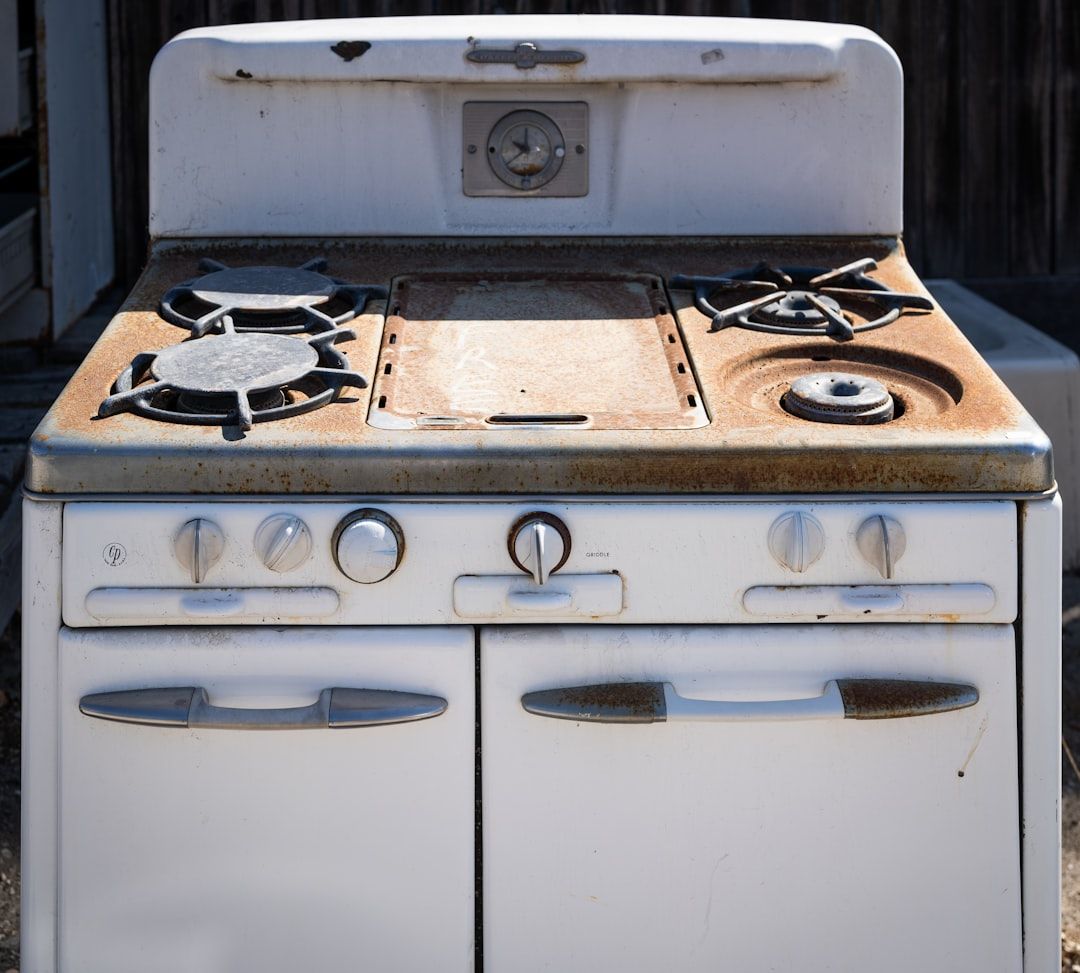
For gas ranges, check if the pilot light has gone out or if the gas valve is open. For electric ranges, a tripped breaker or a burned-out bake element is the usual culprit. The element often shows visible burn marks or a crack — you can see it if you look inside the oven with the light on.
Step Three: Call the Right Service — Not Just the Fastest One
Los Angeles has no shortage of appliance repair companies, but response speed and quality are not the same thing. A company that shows up in 30 minutes with no parts inventory will leave your appliance in pieces while they wait on a parts order. When you call for same-day appliance repair in Los Angeles, ask specifically whether the technician carries parts for your brand and model. It's a simple question that separates prepared professionals from everyone else.
Also, be specific when you describe the problem. Don't just say "my fridge isn't working." Say "my


