
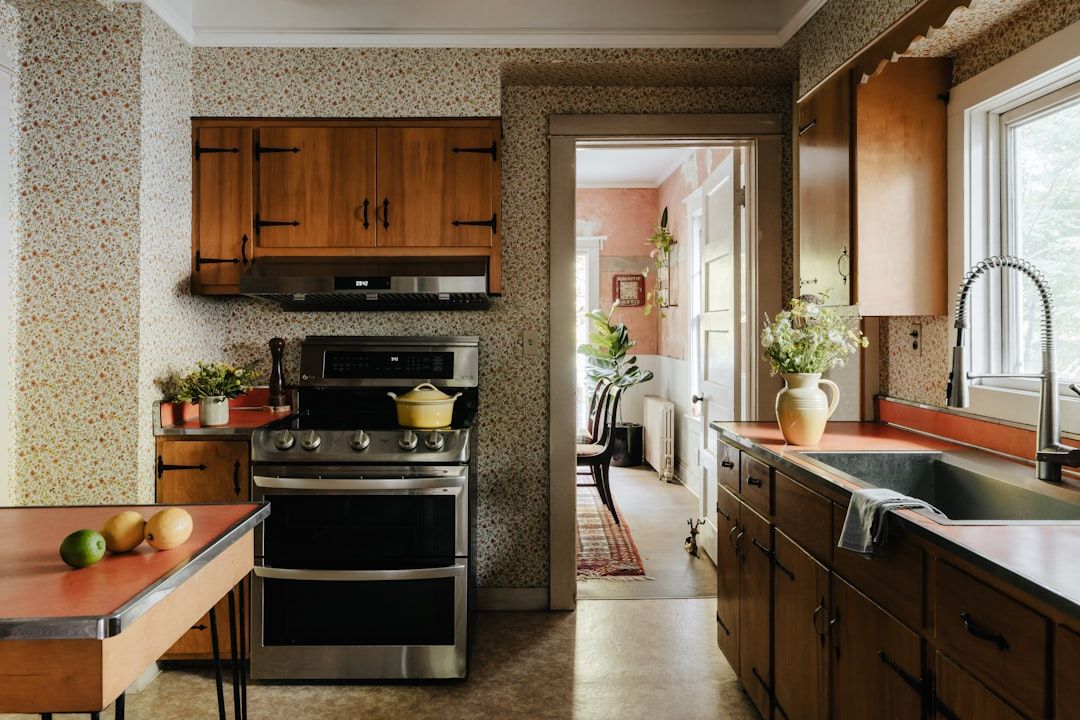
Electric stove turns on but won't heat? Learn the most common causes and practical fixes from a real appliance technician's perspective.
When the Light Is On but the Heat Isn't Coming
You turn the knob, the indicator light glows, maybe even the burner coil glows red for a second — and then nothing. The pot sits there, cold, while you're standing in the kitchen wondering if your stove just gave up on you. This is one of the most confusing appliance problems homeowners deal with, because everything looks like it's working. But looks can be deceiving, and so can an electric stove.
The good news is that most of the time, this problem is diagnosable without calling anyone right away. Let's walk through what's actually happening inside that stove and what's most likely causing it.
The Heating Element Is the First Place to Look
On a coil-top electric stove, the burner element itself is usually the culprit. These elements can fail in a way that looks completely normal from the outside. No burn marks, no visible break — just zero heat output. A failed element will often still allow current to reach the surface indicator light, which is why the light turns on even though the burner is dead.
In many homes, we see one or two burners fail while the rest of the stove works fine. That's actually a good sign — it points directly to the individual element rather than a deeper electrical issue. The fix here is a straightforward element replacement, which most homeowners can do themselves with a basic socket set and a replacement part from an appliance parts supplier.
One thing people often overlook: always check the connection points where the element plugs into the stove body. Corrosion or a loose connection at those terminals is surprisingly common, especially on stoves that are 8–10 years old. Wiggling the element out and back in sometimes solves the problem temporarily, but if the terminals are burned or pitted, they'll need to be replaced too.
The Infinite Switch — The Part Most People Have Never Heard Of
Behind each burner knob sits a component called an infinite switch. It controls how much power flows to the element based on where you set the dial. When this switch fails, the burner may appear to activate — the light comes on, the knob turns — but the element never actually receives the power it needs to heat up.
A homeowner in Ohio once described it perfectly: "It's like the stove is pretending to work." That's exactly what a bad infinite switch does. The switch is a mechanical component and it wears out over time, especially if it's been subjected to spills or heavy daily use.
Replacing an infinite switch is a moderate DIY job. You'll need to access the back of the control panel, which means pulling the stove out from the wall. Always disconnect power at the breaker before doing this. If you're not comfortable working inside appliance panels, this is the point where a local appliance repair technician makes more sense than guessing.
Don't Ignore the Breaker Panel
Electric stoves run on a 240-volt circuit, which uses two separate legs of power from your home's breaker panel. Here's something that trips up a lot of people: if one leg of that circuit trips, your stove can lose heat to the burners while still powering the clock, lights, or indicator lamps. The stove appears partially alive, which makes the problem look like a stove issue when it's actually an electrical issue.
Go to your breaker panel and look for a double-pole breaker labeled for the range or stove. If one side has tripped, reset it fully — flip it all the way off, then back on. If it trips again immediately, that's a wiring or circuit problem that needs a licensed electrician, not an appliance tech.


