
Is your dryer taking forever to dry clothes? Learn the most common causes and practical fixes to get your dryer working efficiently again.
Why Your Dryer Is Running Cycle After Cycle Without Actually Drying
If you're pulling clothes out of the dryer still damp after a full cycle — or running the same load two or three times — something is wrong. It's frustrating, it wastes energy, and over time it puts serious wear on your machine. The good news is that most slow-drying problems have straightforward causes, and many of them you can fix yourself without calling anyone.
Start With the Most Common Culprit: The Vent System
In the majority of cases we see, a clogged or restricted exhaust vent is the main reason a dryer stops drying efficiently. Hot, moist air has to escape somewhere. When that path gets blocked — whether by lint buildup, a crushed duct behind the machine, or a bird nest in the exterior vent cap — the moisture has nowhere to go and just recirculates inside the drum.
Pull your dryer away from the wall and check the duct connection. A lot of older homes still use the white plastic accordion-style ducts, which are notorious for collecting lint inside the folds and for collapsing under the dryer's weight. Replace those with rigid or semi-rigid metal ducting if you can. It's a cheap fix that makes a real difference.
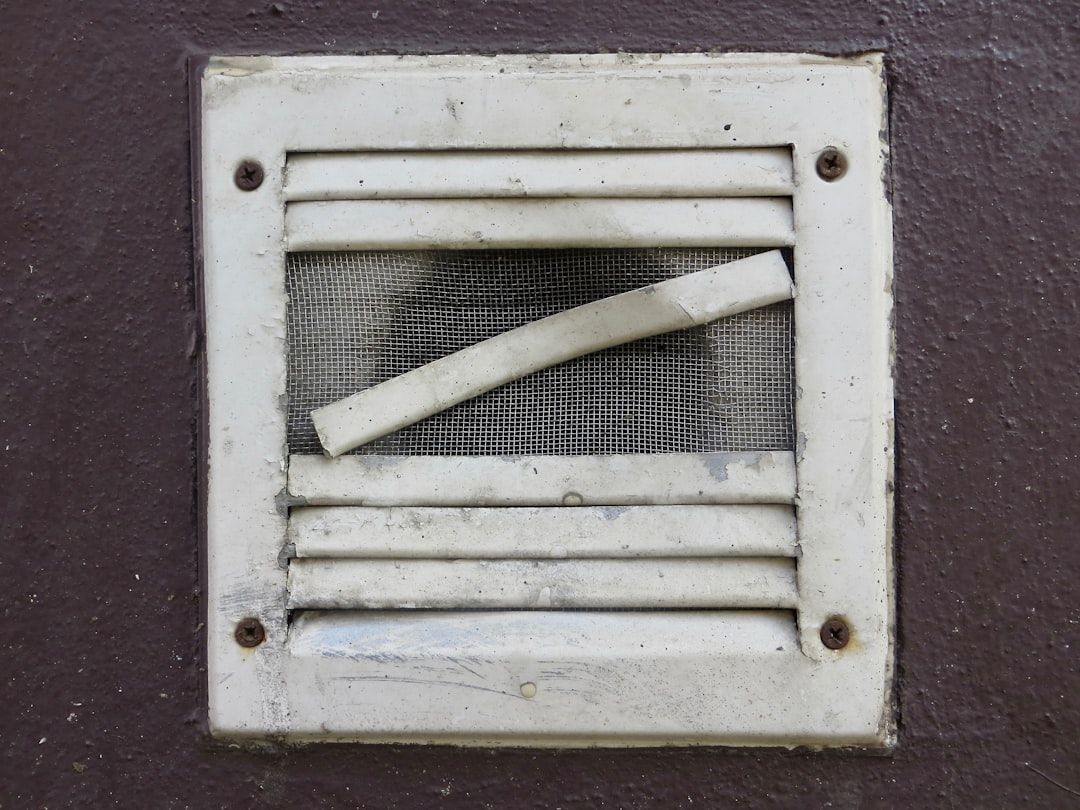
Then go outside and check the vent cap on the exterior wall. It should open freely when the dryer runs. If it barely moves or stays shut, you've found your problem. Use a dryer vent brush kit — available at any hardware store — to clean the full length of the duct from the inside out.
Don't Forget the Lint Trap
This sounds obvious, but you'd be surprised how often people clean the lint screen only partially, or skip it for a few loads. A heavily loaded lint trap restricts airflow just like a clogged vent. Clean it before every single load. Also, if you use dryer sheets regularly, wash the screen with warm soapy water every couple of months — the coating from dryer sheets can create an invisible film that blocks airflow even when the screen looks clean.
Check the Moisture Sensor Bars
Most modern dryers have moisture sensor bars — two small metal strips inside the drum, usually near the lint trap opening. These detect when clothes are dry and signal the cycle to end. When they get coated with residue from fabric softener or dryer sheets, they give inaccurate readings and the dryer either stops too early or runs in confusion.
Wipe them down with a little rubbing alcohol on a soft cloth. It takes about thirty seconds and can completely change how your dryer performs. We've seen machines go from running three cycles on a single load to finishing in one after this simple cleaning.
Heating Element and Thermal Fuse Issues
If the vent is clear and the sensor bars are clean but clothes are still coming out damp and cold, the problem may be with the heating system itself. On electric dryers, a partially failed heating element can produce some heat — enough to tumble warm clothes — but not enough to actually dry them. You might not notice right away because the drum still feels warm to the touch.
A blown thermal fuse is another possibility. This is a safety device that cuts power to the heating element if the dryer overheats — which, ironically, usually happens because of a clogged vent. So if your vent was restricted and you've now cleaned it, check the thermal fuse too. It's a simple part, usually under ten dollars, and it's not reusable once it blows. On most dryers it's accessible by removing the back panel.
Gas Dryers Have Their Own Considerations
On a gas dryer, weak or no heat is often


