
Compare drip coffee makers and pod machines to find out which truly saves you more money over time with real cost breakdowns and practical tips.
The Real Cost of Your Morning Cup
Most people pick their coffee maker based on convenience, not cost. That's completely understandable — nobody wants to think about math before their first cup of the day. But if you're brewing coffee at home every single morning, the machine you choose can quietly cost you hundreds of dollars more per year than it needs to. Let's break this down honestly, the way it actually plays out in a real kitchen.
The True Cost of Pod Coffee Machines
Pod machines like Keurig or Nespresso are everywhere right now, and the upfront price looks reasonable — usually between $60 and $200 for a basic model. That part isn't the problem. The problem is what you pay every single day after that.
A single pod typically costs between $0.50 and $1.25, depending on the brand. If you brew two cups a day, that's $1.00 to $2.50 daily, which adds up to roughly $365 to $912 per year — just for one person. For a household with two coffee drinkers, you could easily spend over $1,500 annually on pods alone.
In many homes, we also see people buying name-brand pods out of habit when compatible off-brand versions exist at a fraction of the price. That's an easy fix, but even then, the per-cup cost stays noticeably higher than drip coffee.
What People Overlook With Pod Machines
One thing most buyers don't factor in is waste. The plastic pods aren't recyclable in most municipal programs, so you're paying a premium and contributing to landfill buildup. Some reusable pod filters exist, but they require rinsing after every brew, which takes away the convenience factor people bought the machine for in the first place. It becomes a bit of a compromise either way.
The True Cost of Drip Coffee Makers
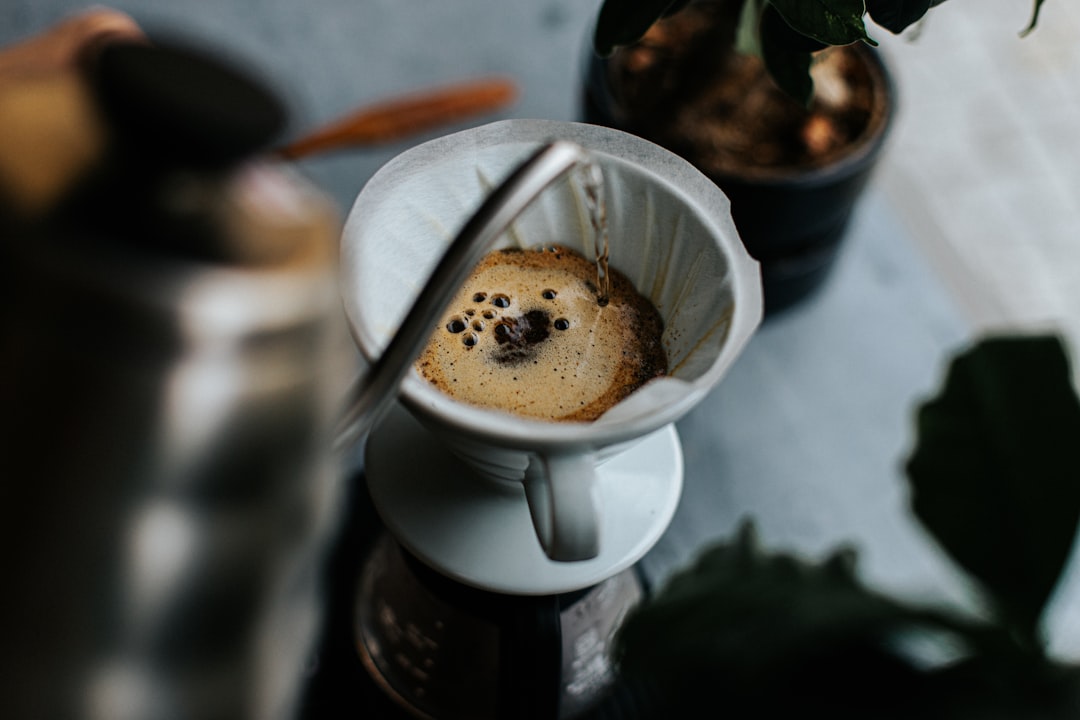
A solid drip coffee maker — something like a 12-cup Cuisinart or Hamilton Beach — runs anywhere from $30 to $80. Quality ground coffee costs between $8 and $15 per pound, and a pound of coffee makes roughly 40 to 45 cups. That works out to about $0.18 to $0.35 per cup.
Run those same numbers for a two-person household drinking two cups each per day: you're looking at roughly $100 to $200 per year on coffee grounds. Compare that to $1,500 or more with pods, and the difference is striking.
A Real-Life Scenario
Consider a couple in a suburban home — both working from home, both drinking two cups a day. They switched from a Keurig setup to a mid-range drip machine after noticing their grocery bills felt oddly high. After tracking it for a month, they found they had been spending around $110 just on pods. After switching to ground coffee and a $55 drip machine, their monthly coffee cost dropped to about $18. The machine paid for itself in less than three weeks.
That's not an unusual story. We hear versions of it regularly from homeowners who never stopped to do the math until the moment felt right.
Where Pod Machines Do Make Sense
To be fair, pod machines aren't without value. If you live alone, drink only one cup a day, and frequently travel or skip mornings entirely, a pod machine reduces waste in a different way — you're not throwing out half a pot of drip coffee every other morning. For single-cup, low-frequency brewing, the convenience might actually justify the higher per-cup cost.
They're also useful in office settings or guest-heavy households where people want different drinks without committing to one large pot. The flexibility has real value in those specific situations.


