
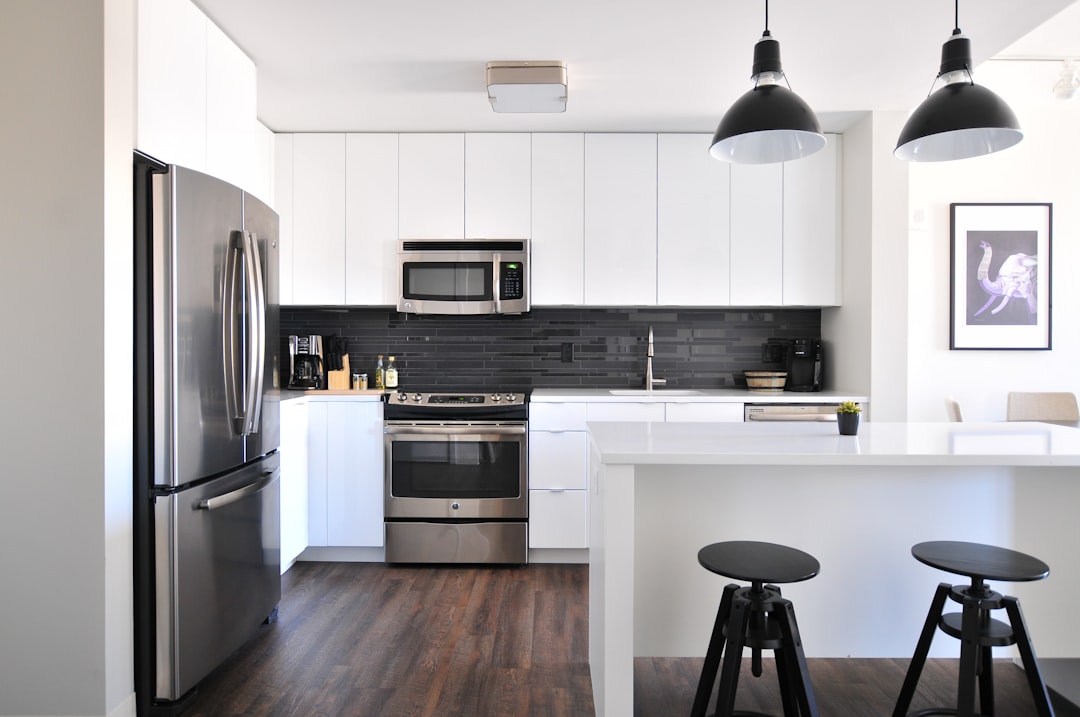
Discover the most common appliance issues Texas homeowners face, what causes them, and how to fix or prevent them before they become costly repairs.
Why Texas Homes Are Hard on Appliances
Living in Texas means dealing with extreme heat, hard water, and energy demands that push household appliances harder than in most other states. A refrigerator working in a 100-degree garage, or a water heater battling heavy mineral buildup — these are everyday realities for Texas homeowners. Over the years, working in homes across the state, certain appliance problems come up again and again. Knowing what to look for can save you hundreds of dollars and a lot of frustration.
Refrigerators Running Constantly or Not Cooling
This is one of the most common calls we get during Texas summers. When outdoor temperatures climb and a garage or utility room turns into an oven, refrigerators struggle to maintain their internal temperature. The condenser coils are usually the first thing to check. Dust and pet hair build up on these coils over time, forcing the compressor to work overtime.
In many homes, we see refrigerators pushed directly against the wall with no airflow gap on the sides or back. Manufacturers recommend at least an inch of clearance, but most homeowners never think about it. A quick vacuum of the coils every six months and proper spacing can genuinely extend the life of your fridge by several years.
When It's More Than Just Coils
If the fridge is clean and properly spaced but still running warm, the door gasket could be failing. Run your hand along the door seal — if you feel cold air escaping, that rubber strip needs replacing. It's a cheap fix that most people overlook entirely.
Washing Machines and the Hard Water Problem
Texas has some of the hardest water in the country, especially in cities like San Antonio, Austin, and El Paso. That mineral-heavy water is rough on washing machines. Calcium and magnesium deposits build up inside hoses, around valves, and in the drum over time. The result? Poor drainage, error codes, and eventually a machine that just stops mid-cycle.
A customer in the Dallas area once called about a front-load washer that kept throwing a drainage error. After inspection, the drain pump filter — a small component most people don't even know exists — was completely packed with mineral scale and lint. A thorough cleaning fixed it completely. That filter should be cleaned every one to three months, but most homeowners have never touched it.
Running a monthly cleaning cycle with a washing machine cleaner or plain white vinegar helps reduce buildup. If you have particularly hard water, a whole-home water softener is worth the investment. You can learn more about hard water appliance damage and prevention to understand just how widespread this issue is.
Dryers That Take Forever or Stop Heating
A dryer that runs two or three cycles to dry one load is not just annoying — it's a fire hazard. In Texas homes, long dryer vent runs are common, especially in larger homes where the laundry room sits far from an exterior wall. The longer the vent run, the more lint accumulates and restricts airflow.
We strongly recommend having your dryer vent professionally cleaned at least once a year. If your dryer is taking longer than usual, check whether the exterior vent flap is actually opening when the dryer runs. Insects and debris often block these vents, especially in homes that go unused for a few months.
If the dryer runs but produces no heat, the heating element or thermal fuse is usually the culprit. These are relatively affordable parts, but diagnosis matters — replacing the heating element without cleaning the vent means the same thing will happen again within months.
HVAC and Portable AC Units
While central HVAC is its own category, window and portable AC units are still common in older Texas homes


