
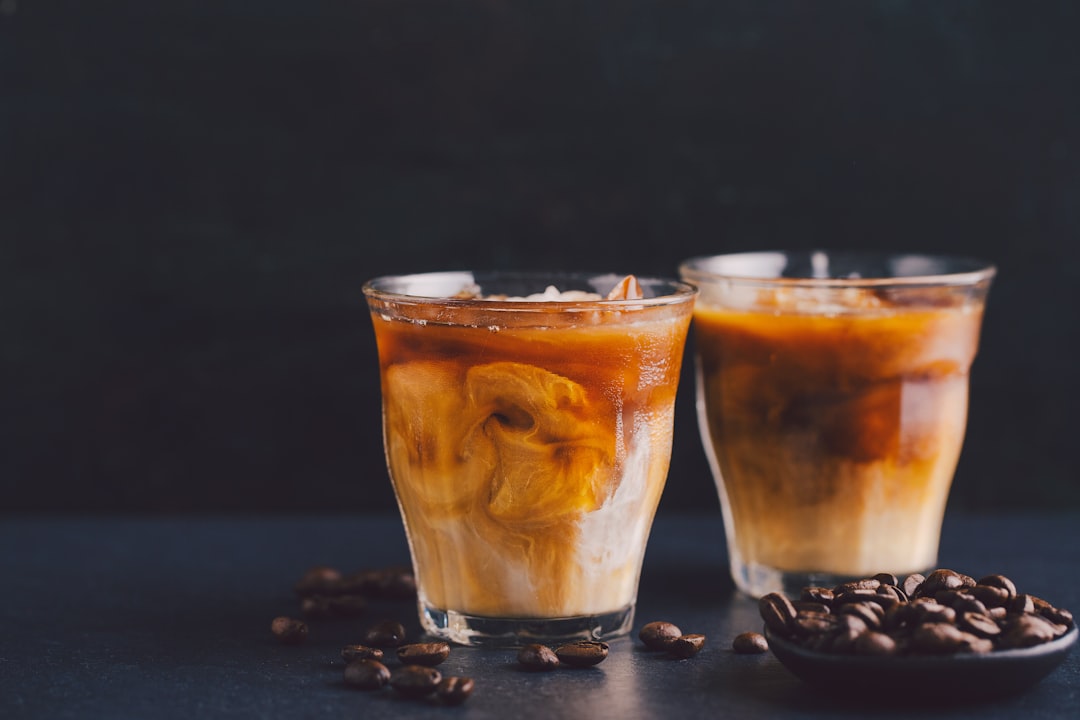
Discover the real difference between cold brew and iced coffee — brewing method, flavor, caffeine, and which one is worth making at home.
Two Drinks, Two Very Different Processes
Walk into any coffee shop and you'll see both cold brew and iced coffee on the menu, often priced differently, tasting nothing alike. Most people assume it's just a matter of temperature or ice — but the gap between these two drinks goes much deeper than that. If you've ever made iced coffee at home and wondered why it tasted thin or bitter compared to what you get at a café, the brewing method is almost certainly the reason.
How Each One Is Actually Made
Iced Coffee: Hot Brewing, Fast Cooling
Iced coffee starts exactly the way regular hot coffee does — hot water extracts flavor from ground coffee beans quickly, usually in just a few minutes. The brewed coffee is then poured over ice or chilled rapidly. It's fast, convenient, and works fine with your standard drip machine or pour-over setup. The problem is dilution. Unless you brew it double-strength before hitting the ice, you'll end up with a watery cup. In many homes, people brew a standard pot, let it cool, and then refrigerate it — which not only dilutes the flavor but also tends to amplify any bitterness that developed during hot extraction.
Cold Brew: No Heat, All Time
Cold brew skips heat entirely. Coarsely ground coffee soaks in cold or room-temperature water for anywhere from 12 to 24 hours. That slow, low-temperature process extracts flavor compounds differently — pulling out less of the acidic and bitter elements that hot water tends to grab. The result is a concentrate that's naturally smoother, slightly sweeter, and noticeably more mellow. Most people dilute it with water or milk before drinking, since straight cold brew concentrate is intense enough to feel almost syrupy.
The Flavor and Caffeine Reality
This is where a lot of the confusion lives. Cold brew has a reputation for being stronger, and in terms of caffeine per ounce of concentrate, that's true. But when you dilute it to a normal serving size, the caffeine levels often end up comparable to a standard cup of iced coffee — sometimes slightly higher, but not dramatically so. What really separates them is flavor profile. Cold brew tends to be chocolatey, low-acid, and easy to drink black. Iced coffee retains more brightness and acidity, which some people actually prefer, especially with lighter roast beans.
One thing people frequently overlook: the grind size matters enormously for cold brew. Using a fine or medium grind instead of coarse will over-extract the coffee during those long hours of steeping, producing a bitter, murky result that tastes nothing like what you'd expect. It's one of the most common mistakes made by first-timers trying cold brew at home.
A Real-Life Scenario
Take someone who switches from buying cold brew at the café to making it at home to save money. They grab pre-ground coffee from the pantry — the same stuff they use for their drip machine — and let it steep overnight. The next morning, the result is dark, gritty, and harsh. Not what they signed up for. The fix is simple: use a dedicated coarse grind, keep the ratio around one cup of ground coffee to four cups of water, and strain it twice — once through a mesh strainer and once through a paper filter or cheesecloth. That single change transforms the whole experience.
Which One Should You Make at Home?
If you want something quick, iced coffee is perfectly practical — just brew strong and pour over plenty of ice. If you want something smoother that you can batch-prep for the week, cold brew is absolutely worth the overnight wait. It keeps well in the refrigerator for up to two weeks as a concentrate, making it one of the most efficient cold


