
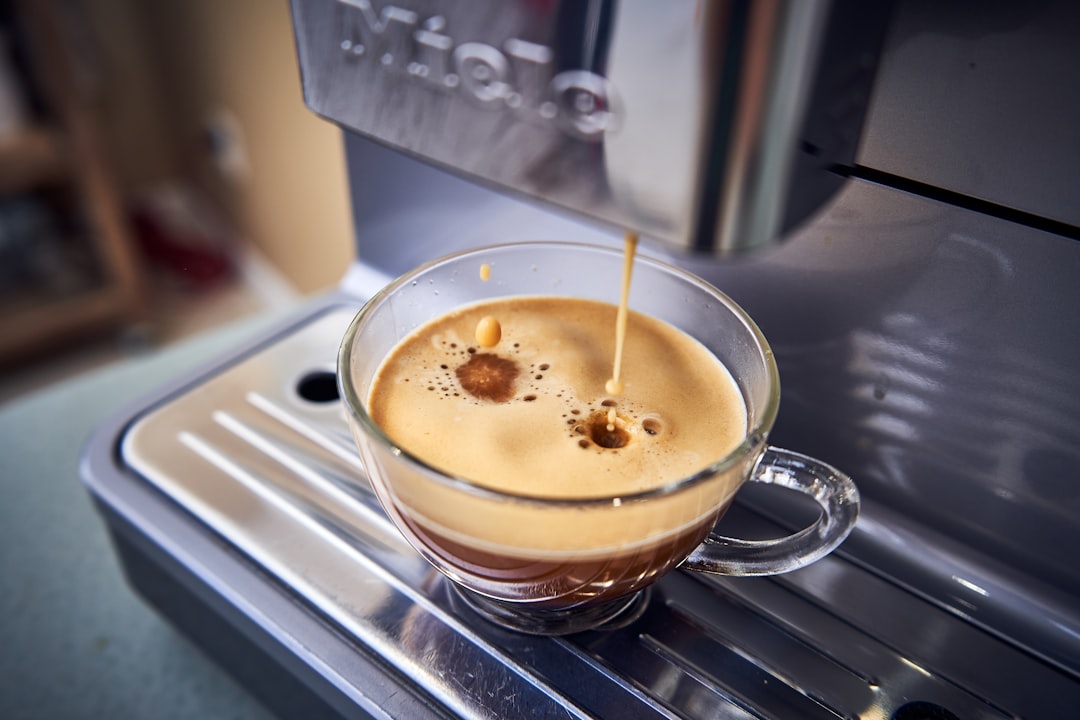
Discover which affordable coffee makers hold up over time, why budget models fail early, and what to look for before you buy.
Getting More Than You Pay For at the Coffee Counter
Most people assume a $25 coffee maker is destined for the trash within a year. And honestly, that's often true — but not always. After seeing hundreds of kitchen appliances come through service calls and helping homeowners troubleshoot everything from faulty heating elements to cracked carafes, I've noticed a clear pattern: a handful of budget coffee makers consistently outlast machines that cost three times as much. The difference usually isn't the price tag. It's the design, the materials, and — more often than people realize — how the machine is used and maintained.
Why Cheap Coffee Makers Fail Early (And What's Actually Causing It)
The number one killer of budget coffee makers isn't poor construction. It's mineral buildup. Hard water deposits accumulate inside the heating tube, gradually reducing water flow and forcing the heating element to work harder than it should. In many homes, we see machines that died at 14 months that could have easily run five or six years with a simple monthly vinegar rinse. The machine didn't fail — the maintenance did.
The second most common problem is a weak carafe seal or a lid that doesn't sit flush. This seems minor until the thermal stress from repeated heating and cooling cracks the plastic collar, and suddenly the machine is leaking onto the counter every morning. Budget models from brands like BLACK+DECKER and Hamilton Beach have dealt with this issue across multiple product generations, though their newer lines have improved noticeably.
What Actually Makes a Budget Machine Durable
Look for a stainless steel or borosilicate glass carafe rather than a thin glass one. Also pay close attention to the water reservoir design — removable reservoirs are easier to clean and tend to stay mold-free longer than built-in tanks you can't fully reach. A simple, single-switch design with fewer electronic components also tends to outlast programmable models at the same price point, simply because there's less to break.
Three Budget Models That Consistently Hold Up
The BLACK+DECKER CM0700BZ is one I've seen running reliably in rental properties and small apartments for four or five years with minimal care. It's a no-frills 5-cup drip machine with a compact footprint and a surprisingly sturdy carafe handle. Nothing fancy, but it just works.
The Hamilton Beach 12-Cup (46310) comes up constantly in conversations about dependable budget brewers. It has a programmable timer, but the internals are straightforward enough that even its programmable components rarely cause trouble. The brew basket is wide and easy to rinse, which matters more than people think — a basket that's hard to clean gets ignored, and that's where mold and coffee oil buildup starts affecting taste and eventually clogs the machine.
The Cuisinart DCC-1100 sits at a slightly higher price point — usually around $60 on sale — but it's worth mentioning because it bridges the gap between truly cheap and genuinely durable. In many homes, we see this model still running strong after seven or eight years. Cuisinart's heating element design has a good track record, and replacement carafes are widely available if the original breaks.
A Real-Life Scenario Worth Learning From
A homeowner in the midwest contacted us after their third coffee maker in two years died with the same symptom: the machine would start brewing, then suddenly stop mid-cycle. Every time, they'd replace the machine assuming it was just cheap quality. After a quick look at their tap water hardness and the inside of the heating chamber, the issue was obvious — severe scale buildup blocking water flow. One $20 coffee maker, a monthly descaling routine with white vinegar, and that machine is still going two years later. The appliance wasn't the problem. The water was.


