
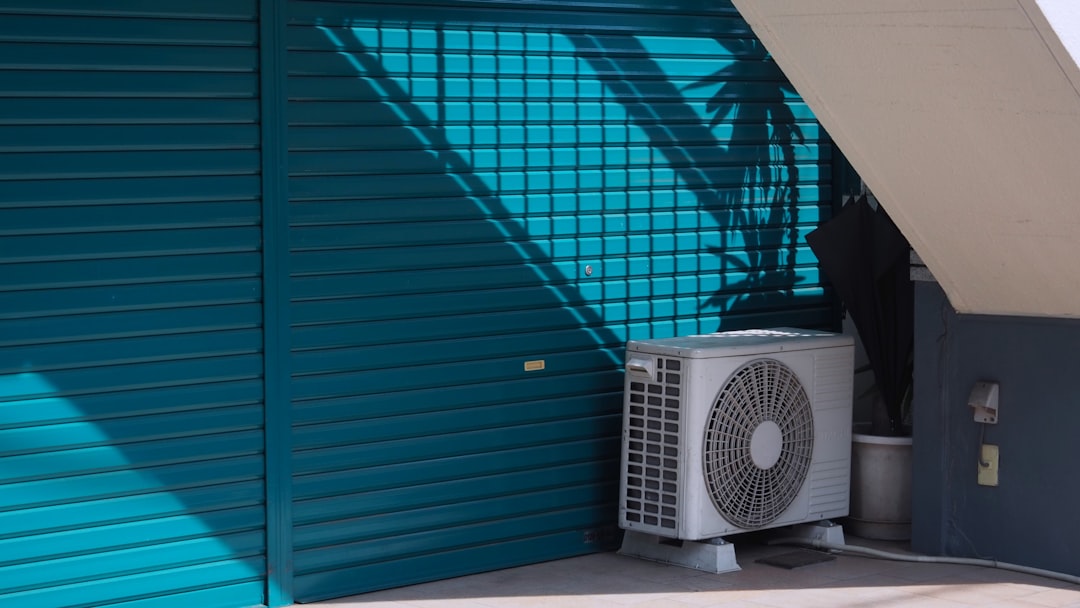
Compare central AC vs portable AC electricity costs. Learn which unit saves more money, real usage examples, and tips to lower your cooling bills.
Which One Is Actually Costing You More?
Every summer, homeowners face the same question: is it cheaper to run a portable AC unit in one room or just let the central system cool the whole house? On the surface, it seems like a portable unit would save money — it's smaller, you only run it where you need it, and it doesn't cool empty rooms. But the math doesn't always work out that way, and in many cases, people end up spending more without realizing it.
How Each System Uses Electricity
Central air conditioning systems are measured in tons — most residential units range from 2 to 5 tons. A typical 3-ton central AC unit draws around 3,000 to 3,500 watts per hour when running. That sounds like a lot, but it's designed to cool an entire home efficiently, and modern units with a high SEER rating (16 or above) manage that load pretty well.
Portable AC units, on the other hand, usually run between 900 and 1,400 watts. A common 10,000 BTU portable unit pulls about 1,200 watts per hour. At first glance, that's clearly less power — but here's what most people overlook: portable units are far less efficient at actually removing heat from a space. They work harder for longer to do what a properly sized central system does in a fraction of the time.
A Real-Life Example Worth Looking At
A homeowner in Phoenix ran a 12,000 BTU portable AC in their bedroom every night for a month — roughly 10 hours a day. At an average electricity rate of $0.14 per kWh, that portable unit cost them about $25 to $30 per month just for that one room. Meanwhile, their neighbor with a 3-ton central unit running the same hours paid roughly $60 to $80 per month — but that covered the entire house, including the living room, kitchen, and two bedrooms.
When you break it down per square foot cooled, the central system wins easily. The portable unit only makes financial sense if you're genuinely cooling one small room and leaving the rest of the house off entirely.
Where Portable Units Lose the Efficiency Battle
In many homes, we see portable AC units installed in rooms with poor insulation or windows that let in a lot of afternoon sun. In those situations, the unit runs almost constantly and still struggles to maintain a comfortable temperature. That continuous runtime drives the electricity cost up fast.
There's also the exhaust hose problem. Portable units pull air from inside the room, cool it, and then vent hot air outside through a hose. But in doing so, they create negative pressure in the room, which actually pulls warm unconditioned air in through gaps around doors and windows. That's wasted energy most people never account for.
When a Portable AC Actually Makes Sense
That said, portable units do have a legitimate use case. If you live alone, work from home in a single room, and genuinely keep the rest of the house at a higher temperature, a portable unit can cut your bill meaningfully. Older homes with ductwork problems — leaky ducts, poor airflow to certain rooms — are another scenario where supplementing with a portable unit in the problem room actually makes sense financially while you plan a duct repair or upgrade.
Central AC Costs Depend Heavily on Maintenance
One thing that often gets missed in this comparison: a central AC system that hasn't had its air filter changed in six months or hasn't been serviced in two years can easily cost 20 to 30 percent more to operate than a well-maintained unit. Dirty coils, low refrigerant, and clogged filters make the compressor work harder and run longer. So if your central system is running up a high bill, the unit


