
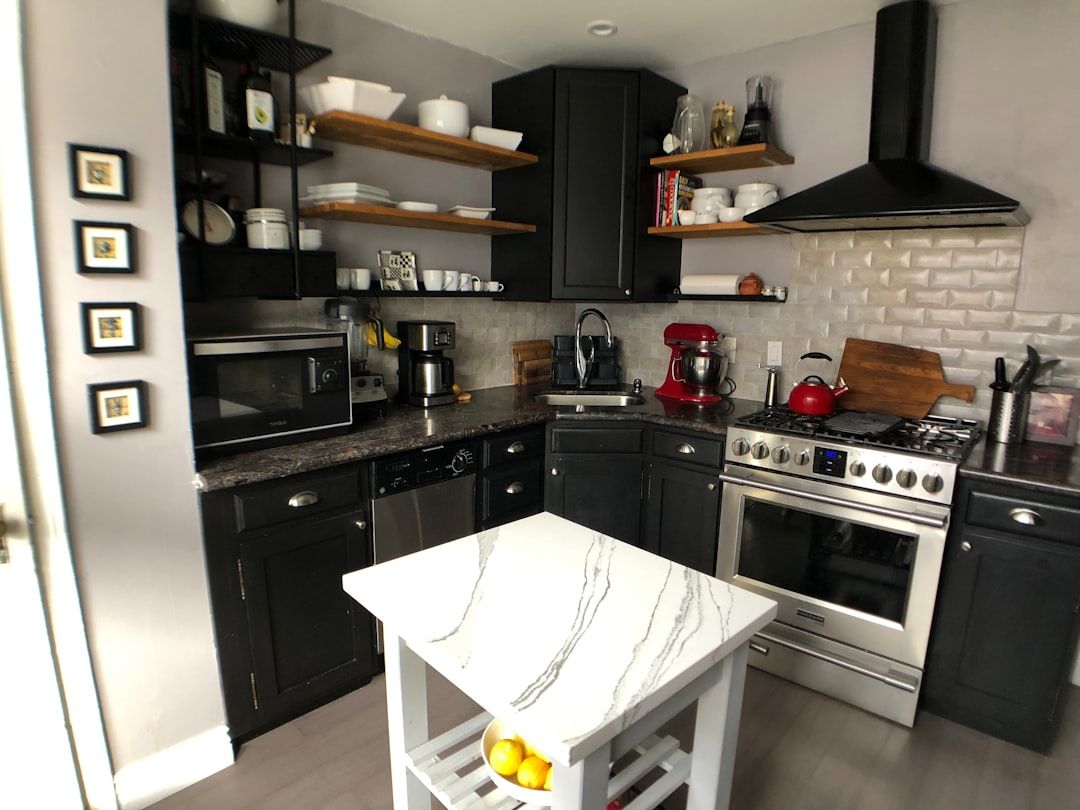
Get ahead of Black Friday appliance deals in early 2026. Learn what to buy, what to skip, and how to avoid costly mistakes before the sale rush.
Why Shopping Early Actually Saves You More Than Waiting
Most people assume Black Friday means the best deals happen on that one chaotic Friday in November. But if you've been watching appliance pricing cycles for a few years, you know that some of the sharpest discounts start rolling out weeks earlier — sometimes as far back as late October or even early November. Retailers are already competing before the official date hits. In early 2026, that trend is expected to push even harder, with major chains pre-loading deals to capture buyers who are done waiting.
I've helped a lot of homeowners plan appliance purchases, and the ones who wait until the actual day often find the models they wanted are already sold out or the deep discounts have been replaced with "limited time" bundles that aren't actually that great. Planning ahead isn't just smart — it's the difference between getting a quality unit and settling for whatever's left.
Which Appliances Are Worth Targeting in Early Black Friday Sales
Refrigerators and Dishwashers
These two categories almost always see the steepest discounts during Black Friday cycles. Refrigerators, especially French door and counter-depth models, carry high retail margins, which gives retailers more room to discount without losing money. In many homes, we see older refrigerators still running from the early 2010s — functional, but quietly burning 30 to 40 percent more energy than a current Energy Star model. Replacing one during a sale event can cut your utility bill noticeably over time.
Dishwashers are similar. Brands like Bosch, LG, and Whirlpool typically drop their mid-range models by $150 to $300 during early Black Friday windows. If your current dishwasher is leaving residue on dishes or running noisy cycles, this is a smart time to act rather than repair.
Washers and Dryers
Front-load washer and dryer pairs are consistently discounted as bundles. One thing people overlook here: buying the pair from the same brand matters more than price alone. Mismatched units from different manufacturers can cause stacking issues and void installation warranties. A homeowner I worked with last year bought a discounted dryer without checking stack compatibility with her existing washer — ended up needing a separate pedestal that cost her more than she saved.
For early 2026 deals, keep an eye on LG and Samsung front-loaders. These brands have been competing heavily in the mid-range space, and their pre-Black Friday promotions tend to be genuine markdowns rather than inflated "original prices."
What Most Buyers Get Wrong About Appliance Sales
The biggest mistake is buying based on discount percentage instead of actual need. A 40 percent off tag on a commercial-grade range sounds incredible — until you realize your kitchen doesn't have a gas line or the proper ventilation setup. Installation costs alone can wipe out the savings entirely.
Another common issue: purchasing open-box or last-year models without checking parts availability. Appliance parts can become scarce surprisingly fast for discontinued units. If a compressor fails two years in and the replacement part is back-ordered, you're stuck. Always check if the manufacturer still actively supports the model you're buying.
A Real-Life Example That Costs People Every Time
A family in a suburb outside Chicago replaced their entire kitchen during a Black Friday sale a couple of years back. They bought all four major appliances — refrigerator, range, microwave, and dishwasher — as a package deal. Looked great on paper. What they didn't account for was delivery lead time. Their new home was under renovation, and the appliances arrived before the cabinetry


