
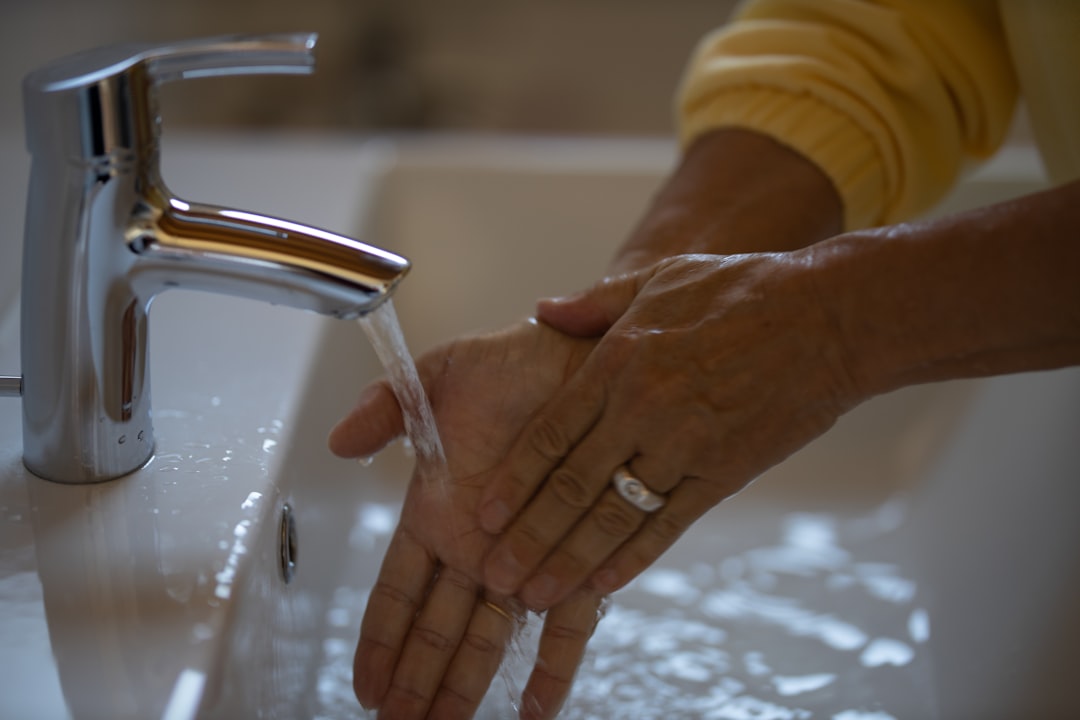
Discover practical ways to save water at home, reduce waste, and cut your monthly water bill with simple fixes and smart habits.
Water bills can quietly creep up month after month, especially in households where small leaks and outdated habits go unnoticed. The good news is that saving water at home does not require a major renovation or a big upfront investment. With a few smart changes to your daily routine and some targeted upgrades around the house, you can significantly reduce water waste and keep more money in your pocket every month.
Fix Leaks Before They Drain Your Wallet
One of the fastest ways to stop wasting water is to find and fix leaks around your home. A single dripping faucet can waste more than 3,000 gallons of water per year according to the EPA. That adds up quickly on your water bill without you ever noticing a visible problem.
Common Places Leaks Hide
Check under sinks for slow drips at supply line connections. Look at your toilet flapper, since a faulty flapper is one of the most common and overlooked sources of water loss. You can test your toilet by dropping a few drops of food coloring into the tank. If color appears in the bowl without flushing, your flapper needs to be replaced. Also inspect outdoor spigots, garden hose connections, and irrigation systems for drips or soft spots in the ground nearby.
Upgrade to Water-Efficient Fixtures
Older faucets, showerheads, and toilets use significantly more water than modern WaterSense-certified models. Replacing them is one of the most effective long-term strategies for reducing water consumption at home.
Low-Flow Showerheads and Faucet Aerators
Standard showerheads use around 2.5 gallons per minute, while low-flow models use 1.8 gallons or less without noticeably reducing water pressure. Faucet aerators are even simpler. These small screw-on attachments mix air into the water stream, cutting flow rates in kitchens and bathrooms by up to 30 percent. Both upgrades are inexpensive and take only a few minutes to install yourself.
WaterSense Toilets
Older toilets can use up to 7 gallons per flush. Modern WaterSense toilets use as little as 1.28 gallons per flush. If your toilet is more than 15 years old, replacing it can save tens of thousands of gallons of water annually in a household with multiple people.
Run Appliances More Efficiently
Your dishwasher and washing machine are two of the biggest water users in your home. The way you use them matters just as much as the model you own.
Dishwasher Best Practices
Only run your dishwasher when it is fully loaded. Modern dishwashers actually use less water than hand-washing a full load of dishes, so skip the pre-rinse and let the machine do its job. If your dishwasher is older and running less efficiently, it may be worth looking into an ENERGY STAR certified replacement that uses around 3.5 gallons per cycle compared to older models that can use twice as much.
Washing Machine Habits
Always wash full loads of laundry when possible. If you have a top-loading machine without a load-sensing feature, adjust the water level setting manually to match the size of your load. Front-loading machines are generally more water-efficient than top-loaders and are worth considering when it is time to replace your current unit.
Build Smarter Daily Habits
Beyond fixtures and appliances, your daily routines play a major role in overall water usage. Turning off the tap while brushing your teeth saves around 8 gallons per day per person. Taking shorter


