
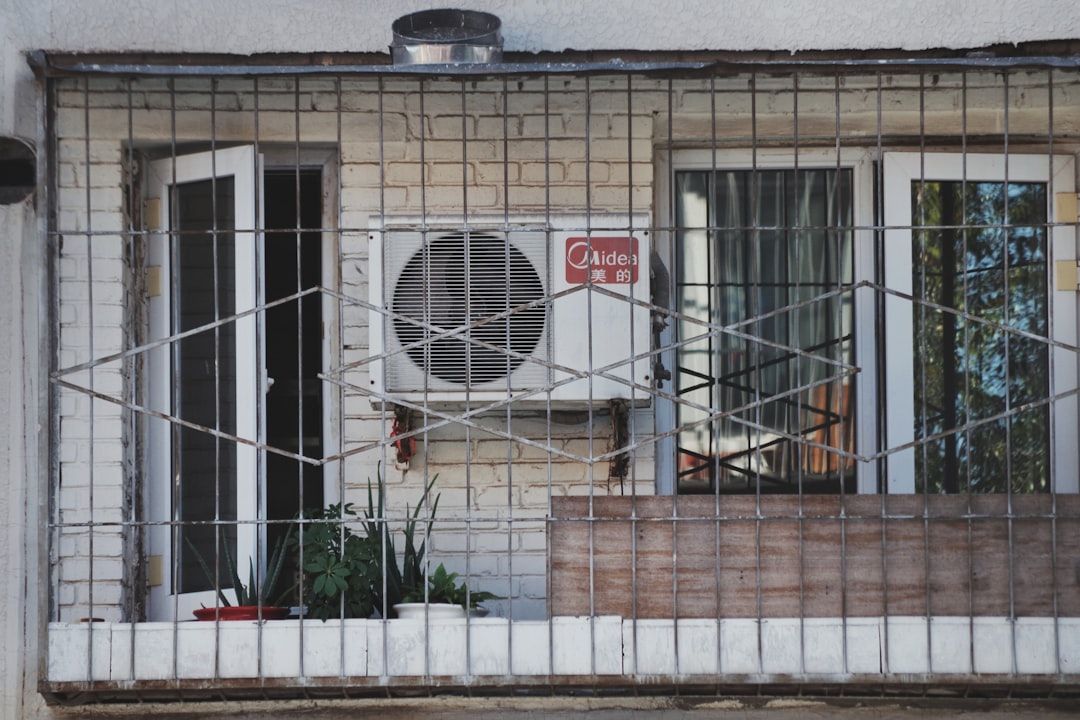
Find out the best time to schedule AC maintenance before summer. Expert tips to avoid breakdowns, save money, and stay cool all season long.
Don't Wait Until It's 95 Degrees to Think About Your AC
Every summer, the same story plays out across thousands of homes. The first real heat wave rolls in, someone cranks up the AC for the first time since September, and within a day or two — nothing. Just warm air blowing through the vents and a repair technician who's booked solid for the next two weeks. It's one of the most preventable problems in home comfort, and it almost always comes down to one thing: waiting too long.
If you want your air conditioner running reliably when temperatures spike, the window for smart maintenance is earlier than most people think.
The Ideal Timing: Late Winter to Early Spring
The best time to schedule an AC tune-up is between late February and early April, depending on where you live. In warmer states like Texas, Florida, or Arizona, that window shifts even earlier — sometimes January or February. The goal is to get service done before HVAC companies get slammed with calls from homeowners who waited too long.
By mid-May, most reputable HVAC companies are operating at full capacity. Lead times stretch out, parts take longer to source, and you lose the ability to choose your appointment time. More importantly, if a technician finds something that needs a repair — a failing capacitor, a refrigerant leak, a worn contactor — you want time to fix it before the heat arrives, not during it.
Why Early Spring Makes Practical Sense
Think of it like getting your car inspected before a long road trip. You're not just looking for problems — you're confirming everything is in working order before you actually need it. An AC system that sat idle through winter can develop issues you'd never know about until it runs under full load. Dust builds up on coils, capacitors weaken over time, and refrigerant levels can drop slowly without any obvious signs inside your home.
In many homes, we see evaporator coils that are partially blocked with dust and debris, reducing airflow and efficiency by 20 to 30 percent. Homeowners have no idea because the system still turns on and blows cold air — just not as cold as it should.
A Real-Life Example Worth Learning From
A homeowner in Georgia called for service in late June after noticing their electric bill had jumped by nearly $80 over the previous month. When the technician arrived, the condenser coils were caked with cottonwood debris from nearby trees, and the system was running almost nonstop to keep up with demand. A simple coil cleaning and filter replacement took about an hour. Had that been done in March, the homeowner would have saved money all spring and avoided the risk of the compressor overheating from the strain.
That's the kind of quiet damage that builds up when routine maintenance gets pushed to the back burner.
What a Good AC Tune-Up Actually Covers
A quality pre-season AC service should go well beyond just swapping out your air filter. A thorough checkup includes inspecting the refrigerant charge, cleaning both indoor and outdoor coils, testing electrical connections and capacitors, checking the thermostat calibration, and verifying airflow through the duct system. If a company quotes you a $49 tune-up and spends 20 minutes at your house, ask what was actually checked.
One thing many homeowners overlook is the condensate drain line. A clogged drain can cause water to back up into the air handler, leading to mold growth, water damage, and a system shutdown — all in the middle of a heat wave. It takes two minutes to flush during a service visit, but it's commonly skipped on rushed jobs. You can learn more about what's included in a standard AC maintenance checklist to know what questions to ask


