
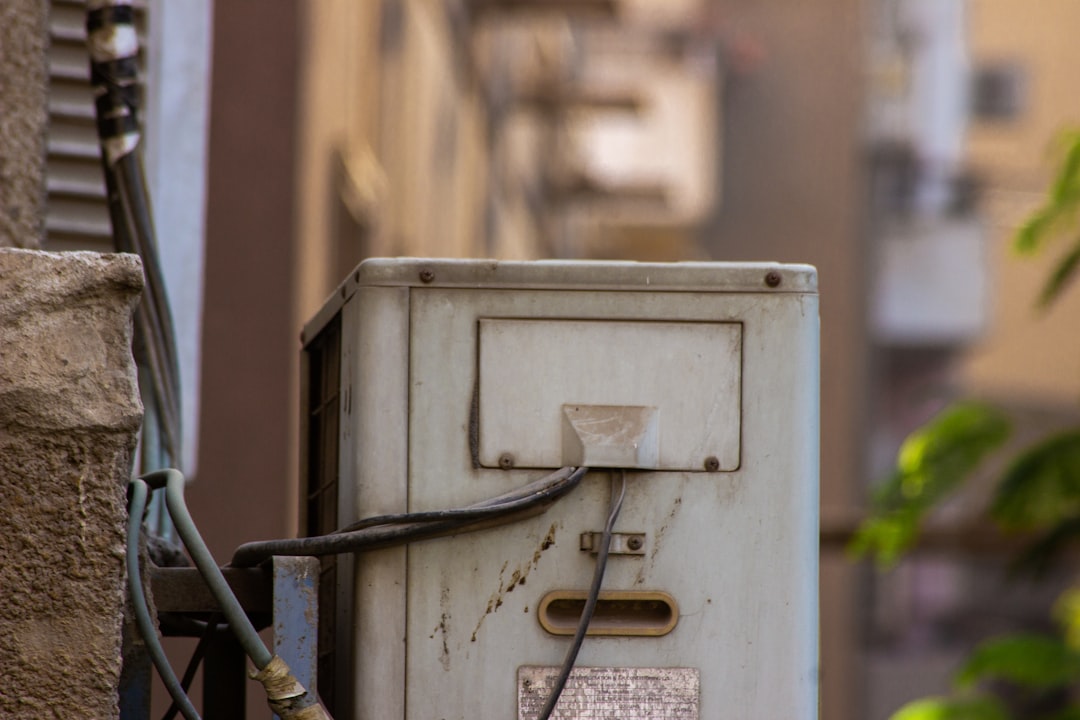
Find out the best time to service your AC before summer and avoid costly breakdowns. Expert tips, real scenarios, and a quick action checklist inside.
Don't Wait Until the First Hot Day to Think About Your AC
Every summer, HVAC technicians across the country get flooded with emergency calls during the first real heat wave. Homeowners fire up their air conditioners after months of sitting idle, only to find weak airflow, warm air coming out, or nothing at all. The frustrating part? Most of those breakdowns were completely preventable with a simple service call a few weeks earlier.
If you want to avoid sweating it out while waiting days for a technician to squeeze you into a packed summer schedule, timing your AC service right makes all the difference.
The Sweet Spot: Late February Through Mid-April
The best window to schedule your AC tune-up is between late February and mid-April, depending on your region. In warmer states like Texas, Florida, and Arizona, you want to be closer to February. In the Midwest or Northeast, early April usually gives you enough lead time before temperatures climb.
Why does this matter so much? HVAC companies are still in their slower season during these months. You get faster appointments, more flexible scheduling, and technicians who aren't rushing between back-to-back emergency calls. By May, availability tightens up fast, and rates sometimes reflect that demand.
What Happens When You Wait Too Long
Here's a real situation we run into often. A homeowner in Georgia called in late May after their unit stopped cooling. The system had low refrigerant, a dirty evaporator coil, and a capacitor that was on its last legs. None of those issues appeared overnight. The refrigerant had been slowly leaking since fall, and the coil hadn't been cleaned in over two years. A spring inspection would have caught all three problems for a fraction of what the emergency repair cost, plus the family had spent four days without AC waiting for an available technician.
In many homes, we see capacitors and contactors quietly degrading over winter. They still work when the system runs briefly in cooler temperatures, but under the sustained load of a hot summer, they fail within the first week of heavy use.
What a Proper Spring AC Service Actually Includes
A real tune-up isn't just swapping out a filter and calling it done. A thorough pre-summer service should cover refrigerant level checks, coil cleaning on both the indoor and outdoor units, inspection of electrical components including capacitors and contactors, testing of the thermostat, lubrication of fan motors, and a full airflow check through your duct system.
One thing homeowners frequently overlook is the condensate drain line. Over winter, algae and debris build up inside the drain pan and line. When the system runs hard in summer humidity, a clogged drain causes water to back up and overflow, sometimes leaking into ceilings or walls before anyone notices. A simple flush during spring service eliminates that risk entirely.
What You Can Do Yourself Right Now
While a professional service handles the technical work, there are a few things you can do on your end before the tech arrives. Replace your air filter if it hasn't been changed in the last 60 to 90 days. Clear any leaves, debris, or overgrown vegetation from around your outdoor condenser unit, leaving at least 18 inches of clearance on all sides. Check your vents inside the home and make sure none are blocked by furniture or rugs. These small steps actually help the technician get a more accurate picture of how your system is performing.
Book Early, Stay Cool All Summer
The homeowners who sail through summer without AC problems aren't lucky. They're just the ones who scheduled their service in March or early April, caught small issues before they became expensive failures, and didn't leave everything up to chance. A well-maintained air conditioner runs more efficiently, keeps your energy bills lower


