
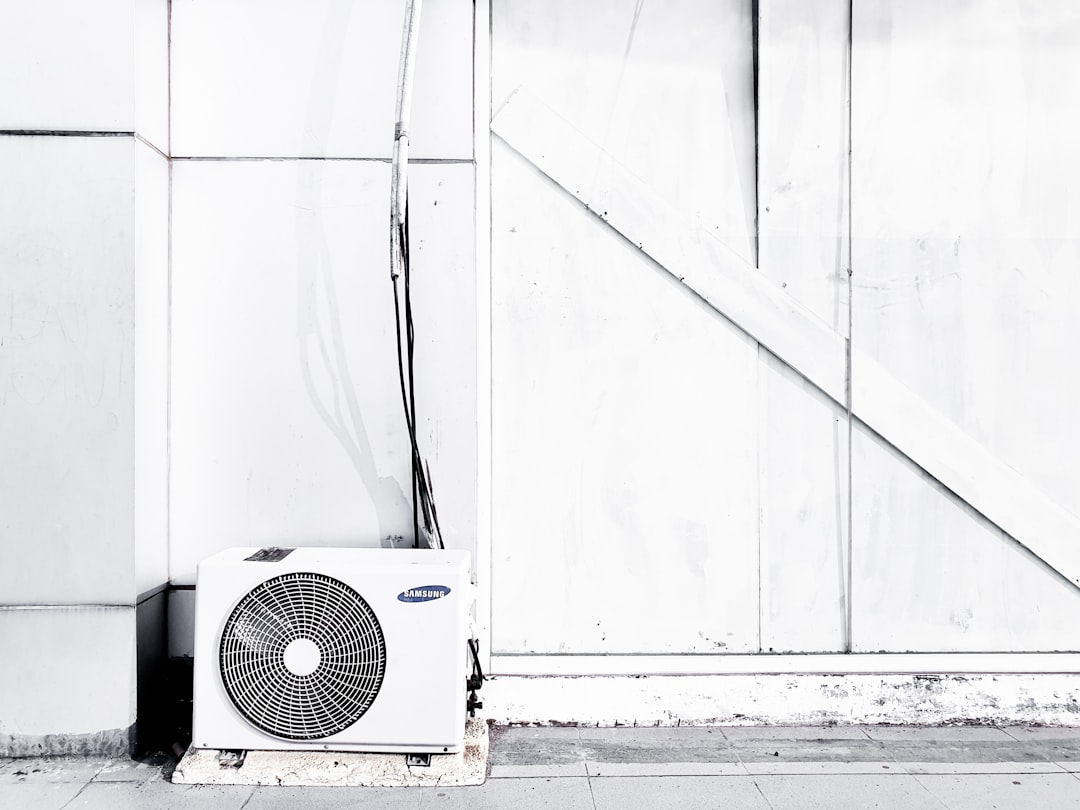
Find out the best time to replace your AC unit before summer hits. Save money, avoid delays, and stay cool with these expert timing tips.
Why Timing Your AC Replacement Actually Matters
Most homeowners don't think about their air conditioner until it stops working on a 95-degree day in July. At that point, you're not just uncomfortable — you're also competing with hundreds of other people in the same situation, waiting on backlogged HVAC technicians and paying premium prices for emergency installs. Replacing your AC unit at the right time of year can save you money, reduce stress, and make sure the job gets done properly instead of rushed.
The Sweet Spot: Late Winter to Early Spring
If there's one window that consistently works best, it's February through April. Here's why that matters in practice: HVAC companies are coming out of their slow season, technicians have open schedules, and manufacturers are pushing inventory before peak demand hits. That combination often means faster appointments, more competitive pricing, and installers who aren't exhausted from back-to-back emergency calls.
In many homes, we see units that have been limping through a second or third season, and the homeowner kept putting off the decision. By the time May rolls around and temps start climbing, lead times on equipment jump significantly. Some popular high-efficiency models can take two to three weeks to arrive once demand picks up. If you're scheduling in late spring, you're already behind.
A Real Example Worth Knowing
A customer in suburban Atlanta called in early June last year after her 14-year-old unit finally gave out. She'd noticed it struggling the previous August — longer run times, uneven cooling in the back bedrooms, a utility bill that had crept up about $40 a month. Those were all signs the system was losing efficiency. But the unit technically kept running, so she waited. When it failed completely, she ended up paying a higher install rate due to peak-season demand, and had to wait six days for the specific model she needed to come in. If she had replaced it in March, she likely would have saved close to $600 total between pricing and avoided service call fees.
Signs Your Unit Won't Make It Through Another Summer
Knowing when to replace isn't just about the calendar — it's about reading the equipment. Age is the most obvious factor. Most central AC units are designed to run efficiently for 10 to 15 years. Once you're past that range, you're not just dealing with wear — refrigerant compatibility becomes an issue too. Units built before 2010 often use R-22 refrigerant, which is now phased out and extremely expensive to recharge.
Beyond age, watch for these patterns: the system takes longer to reach your set temperature, certain rooms never cool down properly, or the outdoor unit makes new sounds like rattling or grinding. A spike in your electric bill during mild weather is also a strong indicator that the compressor is working harder than it should. These aren't minor maintenance issues — they're signs the system is on borrowed time.
What People Overlook When Planning a Replacement
One thing many homeowners miss is the permitting and load calculation step. A proper AC replacement isn't just swapping out the old unit for a new one of the same size. Duct condition, insulation levels, window exposure, and square footage all affect what size system your home actually needs. Installing an oversized unit is one of the most common mistakes in the industry — it cools too fast, short-cycles, and leaves humidity problems behind even when the temperature seems fine.
Scheduling your replacement in the off-peak window gives the technician time to do this correctly rather than rushing through a high-demand install day.
Make Your Move Before the Rush
The bottom line is straightforward: if your AC is over 10 years old, showing efficiency problems, or running on outdated refrigerant, plan your replacement for late winter or early spring. You'll have more options, better pricing, and a smo


