
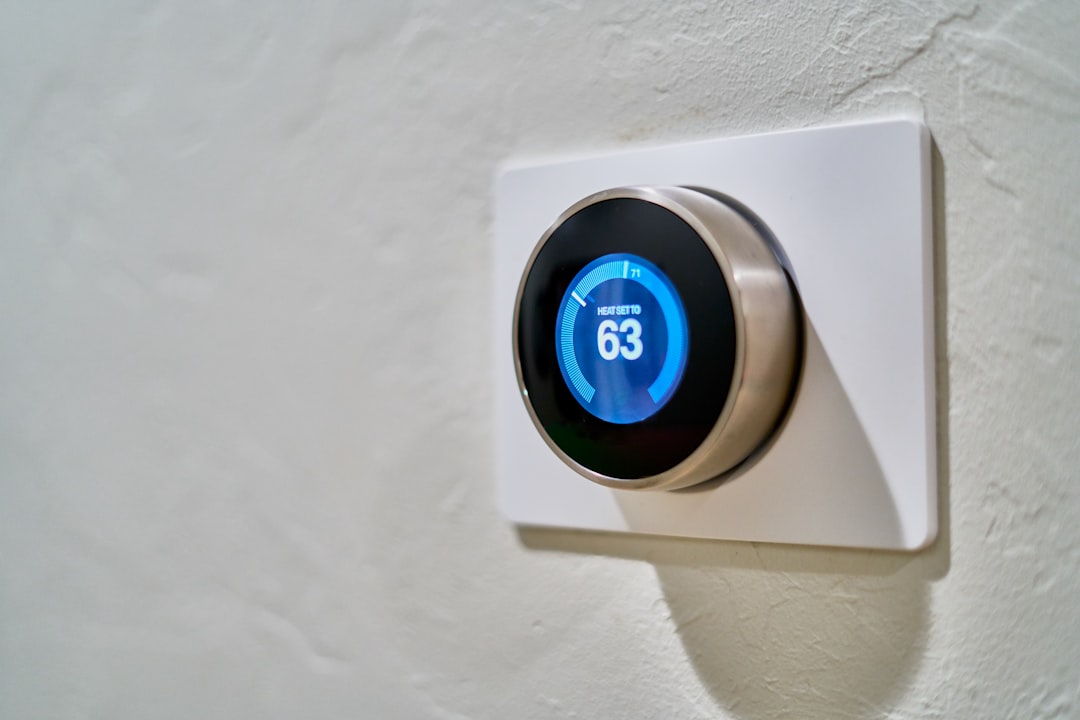
Discover the best smart thermostats for 2026. Save energy, improve comfort, and find the right model for your home with our expert buying guide.
Upgrading your home's thermostat is one of the simplest ways to cut energy costs and improve daily comfort. In 2026, smart thermostats have become smarter, more intuitive, and more affordable than ever before. Whether you are building a new home, replacing an outdated unit, or finally making the switch from a basic programmable model, knowing which options stand out can save you time, money, and frustration.
Why a Smart Thermostat Is Worth the Investment
The average American household spends around $2,000 a year on energy bills, and heating and cooling typically account for nearly half of that cost. A quality smart thermostat learns your schedule, adjusts temperatures automatically, and gives you remote control through a smartphone app. Over the course of a year, most homeowners report saving between 10 and 23 percent on their HVAC costs after installing a smart thermostat.
Beyond savings, today's models integrate seamlessly with voice assistants like Amazon Alexa, Google Home, and Apple HomeKit. They provide real-time energy reports, air quality alerts, and even HVAC filter reminders. For any homeowner who wants a more efficient and connected home, a smart thermostat delivers real, measurable value.
What to Look for Before You Buy
Before choosing a model, consider these key factors.
Compatibility with Your HVAC System
Not every smart thermostat works with every heating and cooling setup. If your home uses a heat pump, multi-stage system, or radiant floor heating, you will need to confirm the thermostat supports your configuration. Most manufacturers offer a compatibility checker on their website. Always use it before purchasing.
C-Wire Requirement
Many smart thermostats require a common wire, known as a C-wire, to maintain a constant power connection. Older homes sometimes lack this wire. Some models include adapter kits or workarounds, but it is worth checking your current wiring before you commit to a specific product.
Smart Home Platform Integration
If you already use a particular smart home ecosystem, choose a thermostat that integrates fully with it. A thermostat that works smoothly within your existing setup is far more useful than one that requires juggling separate apps.
Top Smart Thermostats to Consider in 2026
ecobee SmartThermostat Premium
The ecobee SmartThermostat Premium continues to be a top choice for homeowners who want advanced features without overcomplicating their experience. What sets it apart is the included SmartSensor, which monitors temperature and occupancy in multiple rooms rather than just at the thermostat itself. This means your system heats or cools based on where people actually are in the home, not just one central location.
It works with Alexa, Google Assistant, Apple HomeKit, and Samsung SmartThings. The built-in air quality monitor is a standout addition for households concerned about indoor health. Setup is straightforward, and the app provides detailed energy reports that help you understand exactly where your dollars are going.
Google Nest Learning Thermostat
The Google Nest Learning Thermostat remains one of the most recognizable names in the smart thermostat space, and for good reason. It learns your temperature preferences within the first week and begins creating an automatic schedule based on your behavior. The sleek round display and premium build quality make it one of the better-looking devices you can put on a wall.
The Nest integrates tightly with Google Home, which makes it an obvious choice if you are already deep in the Google ecosystem. It also supports Farsight, a feature that lights up the display and shows the time or temperature when you walk by. For renters or homeowners who want minimal setup effort, the Nest Learning Thermostat is hard to beat.
Honeywell Home T9 Smart Thermostat
Honeywell has been making thermostats for over a century, and the T9 model shows that experience still matters. Like the ecobee, it uses remote room sensors to prioritize comfort in the spaces you use most. The geofencing feature uses your phone's location to adjust temperatures automatically when


