
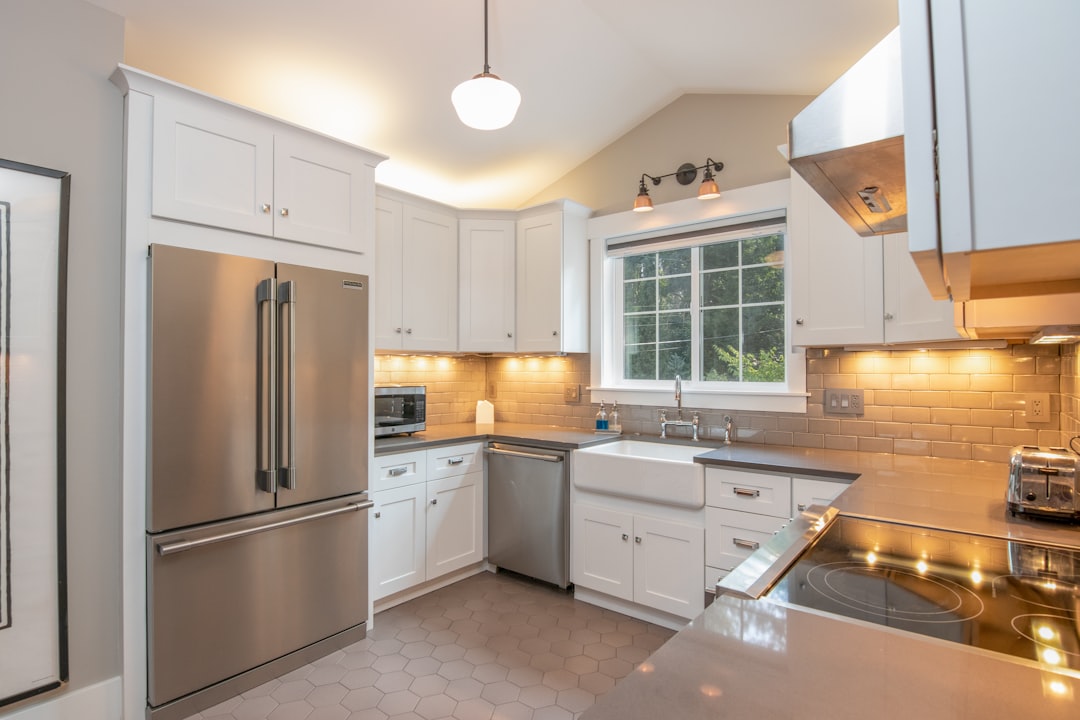
Discover the best refrigerators built to handle Texas heat. Expert tips on choosing a fridge that stays cool, efficient, and reliable in extreme temperatures.
Why Texas Heat Is Harder on Refrigerators Than Most People Realize
If you've ever walked into your kitchen on a July afternoon in Houston or San Antonio and noticed your refrigerator running constantly — or worse, not keeping food cold — you're not imagining things. Texas summers push ambient temperatures well above what most refrigerators are designed to handle comfortably. A standard fridge is typically rated to operate in environments between 55°F and 95°F. When your kitchen climbs past that, especially in homes without great insulation or airflow, your refrigerator's compressor has to work overtime just to keep up.
Choosing the right refrigerator for a Texas home isn't just about capacity or finish color. It's about finding a unit with a compressor, insulation, and cooling system built for real thermal stress — not just showroom conditions.
What We See in Texas Homes Every Summer
In many homes across Texas, we see the same pattern: a homeowner buys a refrigerator based on price or looks, installs it in a poorly ventilated kitchen or garage, and then wonders why it's struggling by mid-June. Garage refrigerators are especially vulnerable. Garage temperatures in Texas can easily hit 110°F or higher. Most refrigerators placed in garages without climate control will either fail early or simply stop cooling altogether when the ambient heat overwhelms the compressor.
One customer in the Dallas-Fort Worth area had a two-year-old French door refrigerator that kept tripping the thermal overload protector every afternoon. Turned out the fridge was tucked into a cabinet enclosure with almost no clearance on the sides or top. The compressor was essentially choking. A few inches of clearance and a small ventilation fix solved the immediate problem, but the bigger issue was that the unit wasn't rated for high-ambient environments to begin with.
Features That Actually Matter in a Hot Climate
High-Ambient Compressors
Look for refrigerators that specifically mention high-ambient or tropical-rated compressors. Some LG and Samsung models use inverter linear compressors that adjust their speed dynamically rather than cycling on and off repeatedly. This matters because constant on-off cycling in heat accelerates compressor wear significantly. A variable-speed compressor runs more continuously at lower intensity, which is actually more efficient and gentler on the motor during extreme heat.
Insulation Quality
Thicker insulation panels keep the cold in longer when the kitchen heats up. Brands like Whirlpool and GE in the mid-to-high range tend to use better foam density than budget models. This might not show up in spec sheets, but you'll notice it when your fridge isn't running constantly during a heat wave.
Condenser Placement and Airflow
Bottom-mount condensers get dusty faster and sit closer to floor heat, which is a known issue in Texas homes with tile floors that radiate heat. French door and side-by-side models with rear-mounted condensers tend to perform more consistently in hot kitchens. Whatever style you choose, make sure there's at least one inch of clearance on each side and two to three inches at the back. This single oversight causes more service calls in summer than almost anything else.
Top Refrigerator Types Worth Considering for Texas Homes
For most Texas households, a French door refrigerator with an inverter compressor in the 25–28 cubic foot range hits the right balance of capacity and performance. LG's LRMVS3006S and similar models have a strong reputation in warm climates. If you need a garage unit specifically, look into the Gladiator GARAGE series or GE's garage-ready refrigerators, which are engine


