
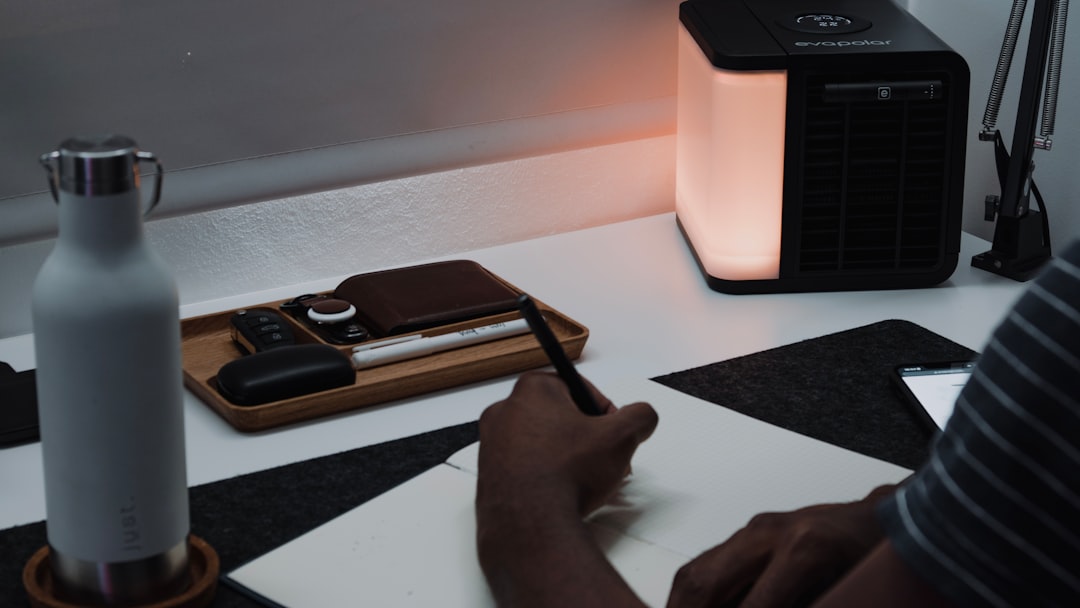
Discover the best portable air conditioners for 2026. Expert picks, real-world tips, and what to look for before you buy.
Staying Cool Without a Central System: What to Know Before You Buy
Not every home has ductwork, and not every landlord allows window units. That's the reality millions of renters and homeowners face every summer — and it's exactly why portable air conditioners have become such a practical solution. But walk into any hardware store or scroll through any online retailer and you'll find dozens of options that all claim to be the best. Most of them aren't. Knowing what actually separates a solid unit from a noisy, underpowered disappointment can save you a lot of money and a lot of sweaty nights.
What Actually Matters in a Portable AC Unit
The first thing most people look at is BTU rating, and that matters — but not in the way most ads suggest. Manufacturers often inflate BTU numbers using what's called the ASHRAE 2017 standard, which rates units under ideal conditions. In a real room with heat-generating appliances, poor insulation, or a sunny exposure, those numbers fall short fast. When comparing units, look for the DOE (Department of Energy) BTU rating instead. It's typically lower but far more accurate.
For a standard 350–400 square foot room, you'll generally want a unit rated at 8,000–10,000 BTUs by DOE standards. Larger rooms or spaces with lots of windows pushing direct afternoon sun may need 12,000 BTUs or more.
Single-Hose vs. Dual-Hose: A Mistake We See All the Time
In many homes, we see people buy single-hose portable units and then wonder why the room never really cools down. Here's the issue: a single-hose unit pulls air from inside the room to exhaust heat outside. That creates negative pressure, which pulls warm air in through gaps in doors, windows, and walls. A dual-hose model brings in outside air for the condenser and exhausts it separately, which is far more efficient and doesn't fight itself. If you're cooling a room larger than 300 square feet, the dual-hose design is worth the extra cost every time.
Top Picks Worth Considering in 2026
The LG LP1021BSSM continues to be a reliable workhorse for medium-sized rooms. It uses dual-hose technology, runs relatively quietly at around 53 decibels, and has a built-in Wi-Fi feature that actually works well with the ThinQ app. It's not the cheapest option, but it holds up over multiple seasons without the drainage issues you get with cheaper brands.
For tighter budgets, the Black+Decker BPACT08WT handles smaller spaces efficiently — think bedrooms under 250 square feet. It won't impress anyone with smart features, but the setup is straightforward and the unit stays reliable through a full summer of daily use. It's the kind of unit I'd recommend to someone who just needs basic cooling in a guest room or home office without overthinking it.
If you're dealing with a large open-concept space or a garage workshop, the Whynter ARC-14S is still one of the better high-capacity dual-hose units available. It runs on 14,000 BTUs (DOE-rated around 9,600), includes an auto-drain function, and holds its own even when temperatures climb past 95°F outside.
A Real-Life Situation Worth Knowing
A homeowner in Phoenix once called about a portable unit that couldn't keep his bedroom below 80°F even on full blast. The unit itself was fine — the problem was a south-facing sliding glass door with no thermal curtains and a window kit that wasn't sealed properly. Hot air was


