
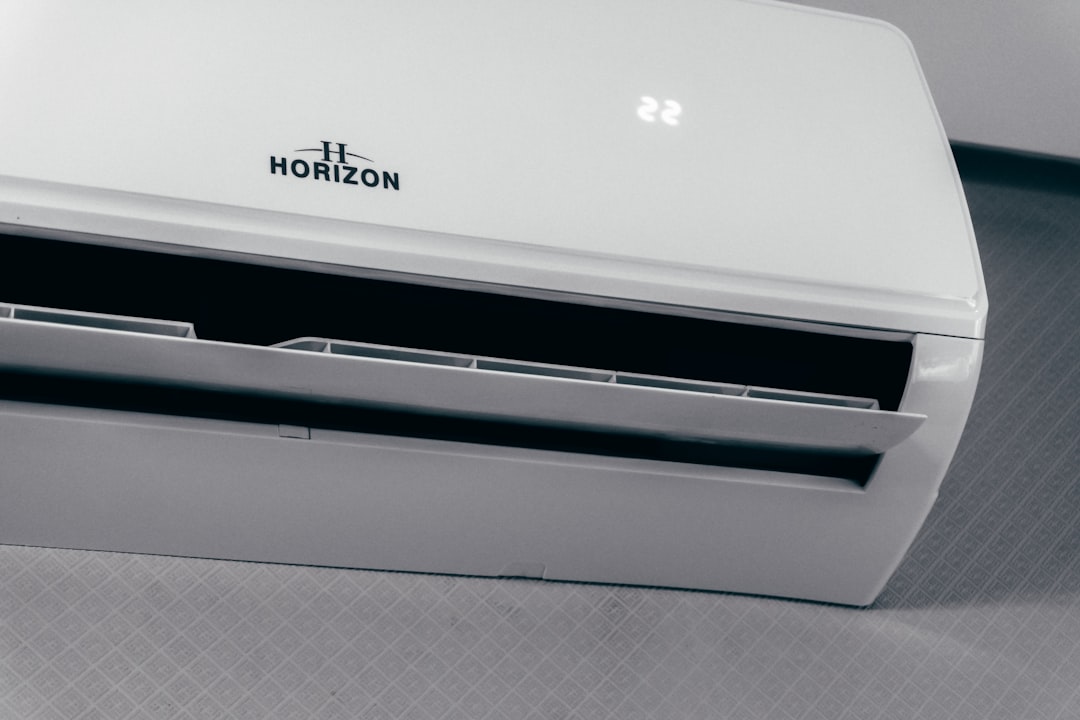
Discover the best portable AC units for small bedrooms. Expert tips on BTUs, placement, and avoiding common cooling mistakes in tight spaces.
Cooling a Small Bedroom Without Making It Worse
A hot bedroom at night is one of the most frustrating things to deal with, especially in the middle of summer when even a fan feels useless. If you're renting, can't install a window unit, or just need something you can move room to room, a portable AC is often the most practical option. But not every portable unit is right for a small bedroom — and picking the wrong one can leave you sweaty, annoyed, and out a few hundred dollars.
After spending years helping homeowners troubleshoot cooling problems, I can tell you that most people don't fail because they bought a bad brand. They fail because they bought the wrong size or set it up in a way that kills efficiency before it even gets started.
What Actually Matters When Buying for a Small Bedroom
BTU Capacity: Don't Overbuy
Most small bedrooms — think 150 to 300 square feet — do best with a unit in the 8,000 to 10,000 BTU range. People often assume bigger is better, but an oversized unit in a small room will cool the air too quickly without removing enough humidity. You'll end up with a room that feels cold and clammy rather than actually comfortable. In many homes, we see 14,000 BTU units crammed into a 200 square foot bedroom, and the occupant wonders why it feels damp and the unit keeps cycling on and off every few minutes.
For rooms under 250 square feet with standard ceiling height, 8,000 BTUs is typically the sweet spot. If your bedroom gets direct afternoon sun or sits above a garage, bump up to 10,000 BTUs to compensate for the extra heat load.
Noise Level Is a Real Factor at Night
One thing people rarely check before buying is the decibel rating. A unit running at 55 dB or higher will absolutely wake light sleepers. Look for models rated at 52 dB or below on their lowest fan setting. The Midea Duo and the LG LP0621WSR are two units that consistently perform well in the noise department for small rooms, and both are appropriately sized for compact spaces. They're not flashy, but they work — and they don't sound like a jet engine at 2 AM.
A Real-Life Scenario Worth Learning From
A customer once called me after buying a well-reviewed portable AC that wasn't cooling her bedroom at all. When I asked about the setup, she mentioned she had the exhaust hose stretched around a corner and kinked slightly to reach the window. That single kink was causing the hot air to partially recirculate back into the room. The unit was working against itself. We straightened the hose, kept the run as short as possible, and the room dropped four degrees within 20 minutes. It's one of those small details that makes a massive difference.
Always keep the exhaust hose as short and straight as possible. Most kits come with hoses up to five or six feet, but the shorter and more direct the run to the window, the better your unit will perform.
Placement and Setup Mistakes to Avoid
Don't Tuck It in a Corner
Portable ACs need airflow around them to work properly. Pushing the unit into a tight corner or behind furniture restricts intake and shortens the life of the compressor. Give it at least 12 to 18 inches of clearance on the sides and back. Center it against the wall closest to the window you're venting through — that keeps the exhaust run short and the airflow natural.
Seal That Window Kit Properly
Most portable ACs come with a basic accordion window kit that leaves gaps around the edges. Hot outside


