
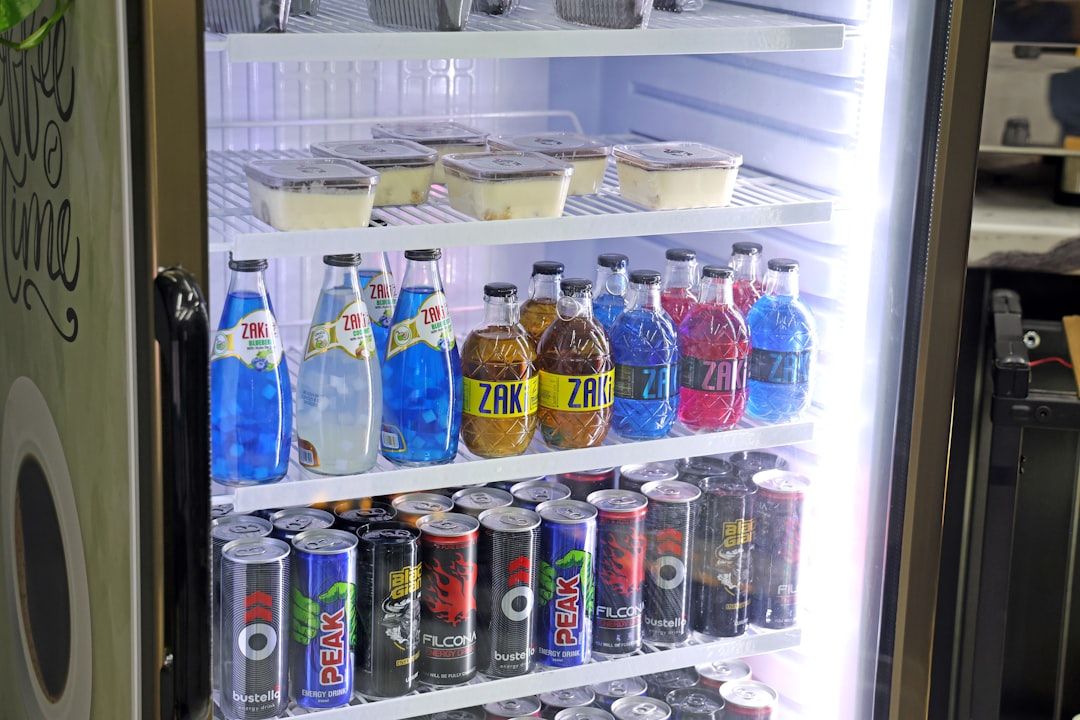
Discover the best mini fridges for bedrooms. Expert tips on size, noise, and features to help you choose the right compact fridge for your space.
Finding the Right Mini Fridge for Your Bedroom Without the Headaches
Most people don't think much about a mini fridge until they've already bought the wrong one. It hums too loud, frosts over constantly, or barely keeps drinks cold. Having spent time in hundreds of homes helping clients figure out appliance issues, I can tell you that bedroom mini fridges fail to impress mostly because people shop by price alone. The good news is that choosing the right one isn't complicated once you know what actually matters.
What Makes a Bedroom Mini Fridge Different From Any Other
A bedroom environment has demands that a garage or office doesn't. You're sleeping nearby, so noise is a real concern. You're also usually limited on space, so dimensions matter more than you'd think. And unlike a kitchen fridge that gets opened dozens of times a day, a bedroom unit typically handles light, consistent use — meaning efficiency and temperature stability become key factors.
In many homes, we see people drop a cheap thermoelectric fridge into their bedroom thinking it'll be quieter. It is quieter, but thermoelectric units struggle to cool below about 20 degrees less than the ambient room temperature. So if your room runs warm in summer, your drinks are going to be lukewarm. That's a frustrating surprise on a hot August night.
Compressor vs. Thermoelectric: What You Should Know
Compressor-based mini fridges work just like your full-size kitchen refrigerator. They cycle on and off and can maintain consistent cold temps regardless of room temperature. The tradeoff is a bit more noise during those cycles. Modern compressor models, however, are dramatically quieter than older ones — some run around 35–38 decibels, which is roughly the level of a soft whisper. Brands like Midea, Frigidaire, and Black+Decker have made solid strides here.
Thermoelectric units are whisper-quiet since there are no moving compressor parts, but as mentioned, they're not efficient coolers. They work best in temperature-controlled rooms where you just want beverages slightly chilled. If you want real refrigeration — storing leftovers, dairy, or medication — stick with a compressor unit.
Real-Life Scenario: The College Dorm Situation
One of the most common setups I get asked about is the college dorm. A student wants something small enough to slide under a desk, cold enough to store yogurt and energy drinks, and quiet enough not to disturb a roommate. In that situation, a 1.6 to 2.5 cubic foot compressor mini fridge is typically the sweet spot. The Midea WHS-65LSS1 is a reliable option in that range — it holds temperature well, runs quietly, and doesn't eat electricity. For shared spaces, always check the noise rating before buying, not after.
Size, Placement, and Ventilation — The Overlooked Basics
One thing people almost always get wrong is placement. Mini fridges need breathing room — usually at least two to three inches on the sides and top for proper ventilation. Cramming one into a tight cabinet or against a wall with zero clearance causes the compressor to work harder, run louder, and eventually fail sooner. I've seen this exact situation cause otherwise good units to give out well before their time.
For most bedrooms, a 1.7 to 3.2 cubic foot fridge is practical. Anything larger starts feeling like a compromise on living space. If you're storing more than snacks and drinks, consider a unit with an actual freezer compartment — not just a small ice cube tray area, but a separate insulated freezer section.


