
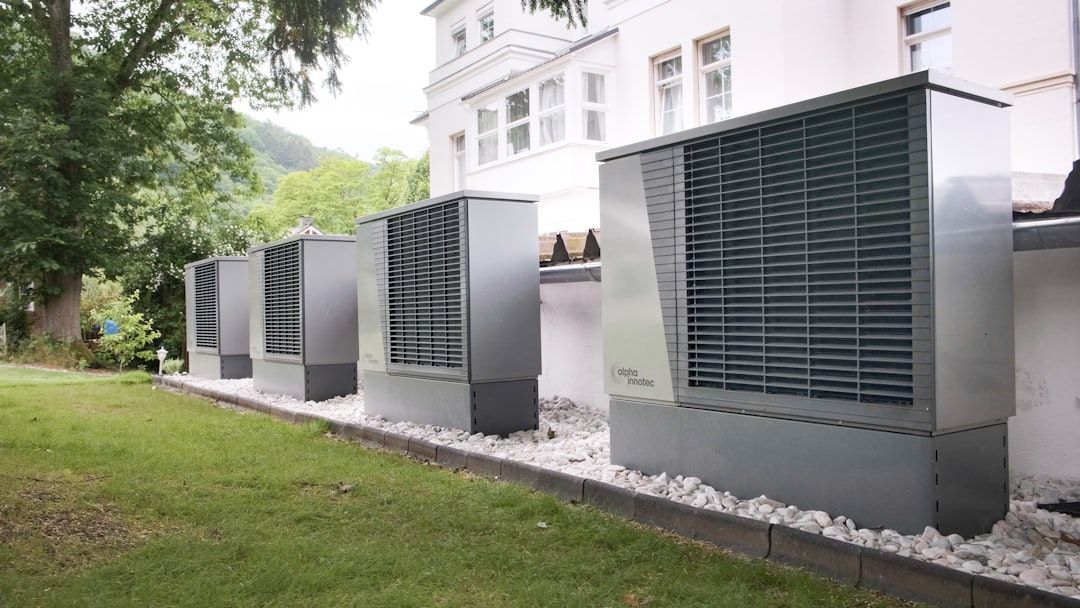
Discover the best heat pump water heaters in 2026. Expert picks, real-world tips, and what to look for before you buy or upgrade.
Why More Homeowners Are Making the Switch in 2026
If your old tank water heater is pushing 10 years and your utility bills keep climbing, you're probably already thinking about a replacement. Heat pump water heaters have become the go-to upgrade for homeowners who want serious energy savings without sacrificing hot water performance. In 2026, the technology has matured, the prices have gotten more reasonable, and federal tax credits are still on the table — so the timing genuinely makes sense for a lot of households.
That said, not every model fits every home. I've seen homeowners buy a unit that's technically excellent, only to install it in a tight utility closet with zero airflow — and then wonder why it's underperforming. Choosing the right heat pump water heater means looking at more than just the spec sheet.
How These Units Actually Work (and Why It Matters)
Unlike a standard electric water heater that generates heat directly, a heat pump water heater pulls warmth from the surrounding air and transfers it to the water inside the tank. It's the same basic principle as a refrigerator running in reverse. The result is a unit that uses roughly 70% less electricity than a conventional electric model — which can translate to $400–$600 in annual savings depending on your local rates and usage.
The catch is that they need ambient air to work efficiently. Most manufacturers recommend at least 700–1,000 cubic feet of surrounding space and an ambient temperature that stays above 40°F. In many homes, we see these installed in basements or garages that get genuinely cold in winter — and when the air temperature drops, the unit switches to resistance heating mode, which wipes out your efficiency gains. That's not a flaw, it's just physics. Plan for it.
Top Models Worth Considering in 2026
Rheem ProTerra 50-Gallon
The Rheem ProTerra has been a consistent performer for a few years now, and the 2026 version continues to hold up well in real-world installs. It carries a UEF (Uniform Energy Factor) of around 3.75 to 4.0 depending on tank size, which puts it among the most efficient units on the market. The built-in WiFi controls are actually useful — not just a gimmick — especially for scheduling around time-of-use electricity rates. For a family of four, the 50-gallon model handles peak morning demand without dropping into backup heating constantly.
A.O. Smith Voltex Hybrid
The A.O. Smith Voltex is a strong runner-up and tends to be slightly more forgiving in tighter spaces. I've seen it perform reliably in semi-conditioned garages in the Southeast and Mid-Atlantic regions. Its control panel is straightforward, which older homeowners often appreciate, and service parts are widely available through most HVAC supply houses. One thing people overlook: A.O. Smith's noise level on this model is noticeably lower than older heat pump units — around 49 decibels, which is closer to a quiet dishwasher than an HVAC system.
Bradford White AeroTherm
For homeowners who want contractor-grade reliability, the Bradford White AeroTherm is worth a close look. It's not always available through big-box stores, which is actually a sign of quality — it's typically sold through licensed plumbers and HVAC dealers. The build quality on the tank itself tends to outlast some of the more consumer-facing brands, and Bradford White's warranty support has been solid in our experience.
What Most Buyers Get Wrong
The most common mistake we see is undersizing. A 40-gallon heat pump water heater might look


