
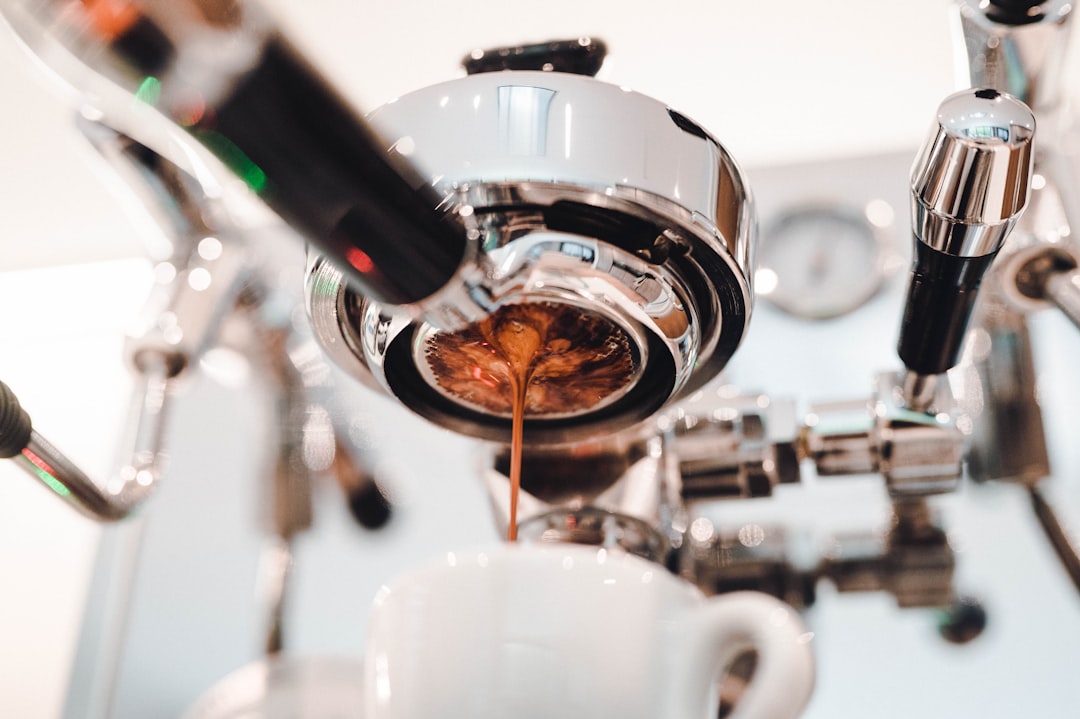
Discover the best espresso machines for beginners in 2026. Expert tips, real comparisons, and smart buying advice to help you choose the right machine.
Getting Your First Espresso Machine Right the First Time
Most people buy their first espresso machine with excitement, take it home, and then spend three frustrated mornings wondering why their coffee tastes bitter, watery, or just plain wrong. The machine usually isn't the problem — it's the mismatch between the machine and the person using it. If you're new to home espresso, the choices can feel overwhelming, but a few practical guidelines will save you real money and a lot of wasted coffee.
What Beginners Actually Need (Versus What Looks Good Online)
There's a common trap in the beginner espresso world: buying a machine with too many manual controls before you understand the basics. Semi-automatic machines with pressure profiling and PID temperature controllers are excellent tools, but for someone just learning grind size and tamping pressure, that extra complexity creates more problems than it solves.
In many homes, we see a perfectly capable machine sitting unused because the owner got discouraged during the learning curve. The sweet spot for beginners is a machine that automates the harder variables — water temperature and pressure — while still letting you develop your technique with grind and dose.
Top Picks Worth Considering in 2026
The Breville Bambino Plus continues to be one of the strongest beginner options available. It heats up in about three seconds, has automatic milk frothing, and keeps pressure consistent without requiring manual intervention. It won't teach you everything, but it won't punish every small mistake either. For most new users pulling their first shots at home, that forgiveness matters.
The De'Longhi Stilosa EC230 sits at a lower price point and is a solid entry into manual espresso. It uses a pressurized portafilter basket, which means it compensates for imperfect grind consistency — a real advantage when you're still dialing in. The tradeoff is that you'll eventually outgrow it, but for the first six to twelve months of home espresso, it does exactly what it needs to do.
If budget allows, the Sage (Breville) Barista Express is a strong all-in-one machine that includes a built-in conical burr grinder. One thing people often overlook is that a bad grinder will undermine even an excellent espresso machine. Having a matched grinder built into the unit removes one major variable for beginners and keeps your counter setup simple.
A Real-Life Scenario That Comes Up Constantly
A homeowner recently asked why their shots were always running too fast — thin, pale, and sour — even after following online tutorials. After a quick conversation, it turned out they were using pre-ground supermarket coffee labeled "espresso roast." The grind was too coarse for proper extraction, and no machine adjustment was going to fix that. This is one of the most common beginner mistakes we hear about: blaming the machine when the real issue is the coffee itself.
Fresh beans, ground right before brewing, make a dramatic difference. If you want to keep things simple, a local roaster who sells pre-ground for espresso and replenishes their stock regularly is a better starting point than anything sitting on a supermarket shelf.
What to Prioritize When Comparing Machines
Pressure consistency matters more than most spec sheets suggest. Look for machines that maintain 9 bars during extraction rather than those that claim high peak pressure. Consistent pressure throughout the shot produces balanced flavor — not just at the start.
Boiler type is also worth understanding. Single boiler machines require you to switch between brewing and steaming modes, which adds time and creates a small learning curve. Dual boiler or thermoblock systems handle both simultaneously, which is more convenient


