
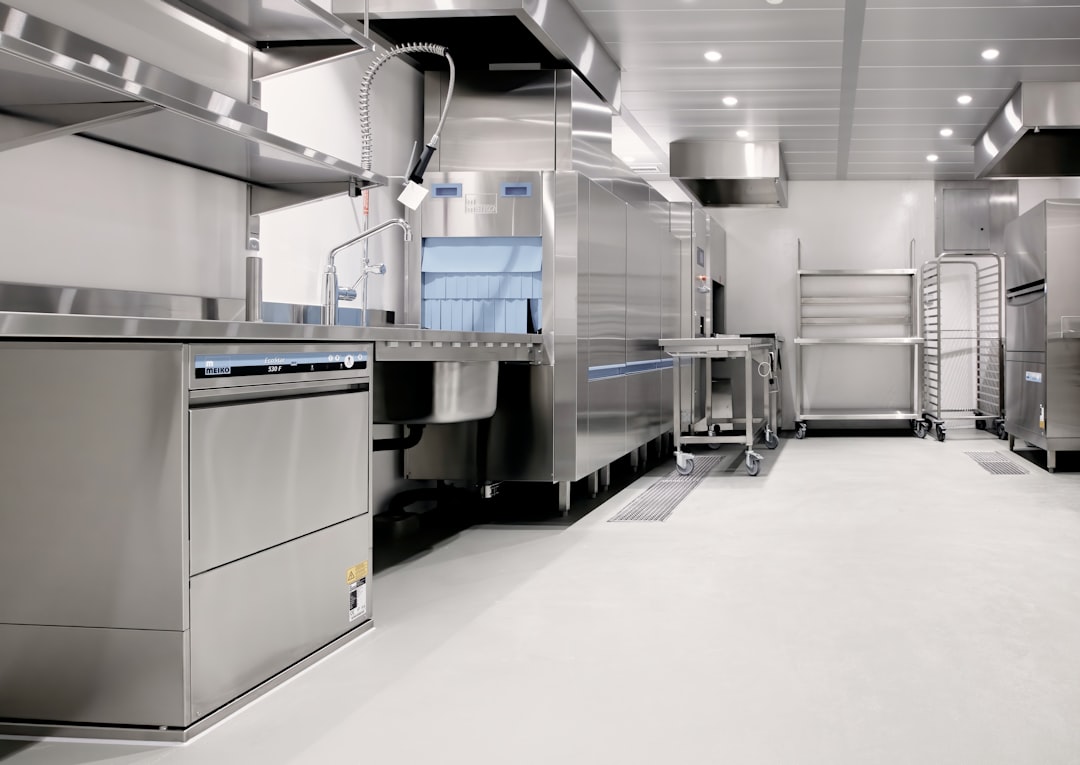
Discover the best dishwashers for California families. Save water, energy, and time with expert picks built for local climate and utility demands.
Choosing the Right Dishwasher When California Life Makes It Complicated
Between hard water in the Inland Empire, strict energy regulations in the Bay Area, and drought-conscious utility bills across the Central Valley, picking a dishwasher in California isn't as simple as walking into a big-box store and grabbing whatever's on sale. The wrong machine can spike your water bill, leave chalky residue all over your glasses, or run so loud you can hear it from the master bedroom. We've seen it happen more times than we can count. This guide breaks down what actually matters for California households and which features are worth paying for.
Why California Homes Have Different Needs
California's water supply varies dramatically by region. Homes in Los Angeles and San Diego often deal with moderately hard to very hard water, which means mineral deposits build up inside your dishwasher's spray arms and heating elements faster than you'd expect. In many homes, we see dishwashers that are only three or four years old struggling to clean effectively simply because the homeowner didn't account for local water hardness when choosing a model.
Beyond water quality, California's Title 20 appliance efficiency standards require dishwashers sold in the state to meet stricter energy and water use limits than federal minimums. That's actually a good thing for your utility bills, but it does narrow the field. Look specifically for ENERGY STAR certified models that meet California's current standards — not just the federal baseline.
Top Features to Prioritize
Water Consumption Under 3.5 Gallons Per Cycle
A standard dishwasher uses anywhere from 3 to 6 gallons per cycle. For a family running the machine five or six times a week, that difference adds up fast. Bosch and Miele both manufacture models that consistently come in under 3.5 gallons per cycle without sacrificing cleaning power. The Bosch 500 Series, for example, has been a reliable performer in our experience — quiet, efficient, and built to handle the volume a family of four generates without constant maintenance calls.
Built-In Water Softener or Hard Water Compatibility
This is the feature most California buyers skip, and it almost always comes back to bite them. Miele dishwashers include a built-in water softening system that uses salt to neutralize mineral buildup. It sounds fussy, but once you set it up, it's nearly maintenance-free. If you're in a high-hardness area like Fresno or Riverside, this single feature can extend your appliance's lifespan by years and keep your glassware looking clean instead of foggy and etched.
Noise Level Below 44 dB
California homes — especially newer construction in suburban areas — tend to have open floor plans where the kitchen flows directly into the living space. A dishwasher running at 50 dB or higher becomes background noise during conversations, TV time, and homework hours. The sweet spot is anything rated 44 dB or lower. Bosch, LG, and Miele all have options in that range. Whirlpool's higher-end Quiet Partner line also performs well here if you're working with a tighter budget.
A Real-World Scenario
We recently worked with a family in Pasadena who had gone through two dishwashers in six years. Both times, the spray arms clogged within 18 months and the interior started corroding around the heating element. After looking at their water report, we found their hardness level was sitting at 18 grains per gallon — well into the very hard range. They upgraded to a Miele G 7000 series with the integrated water softener, and a year later, not


