
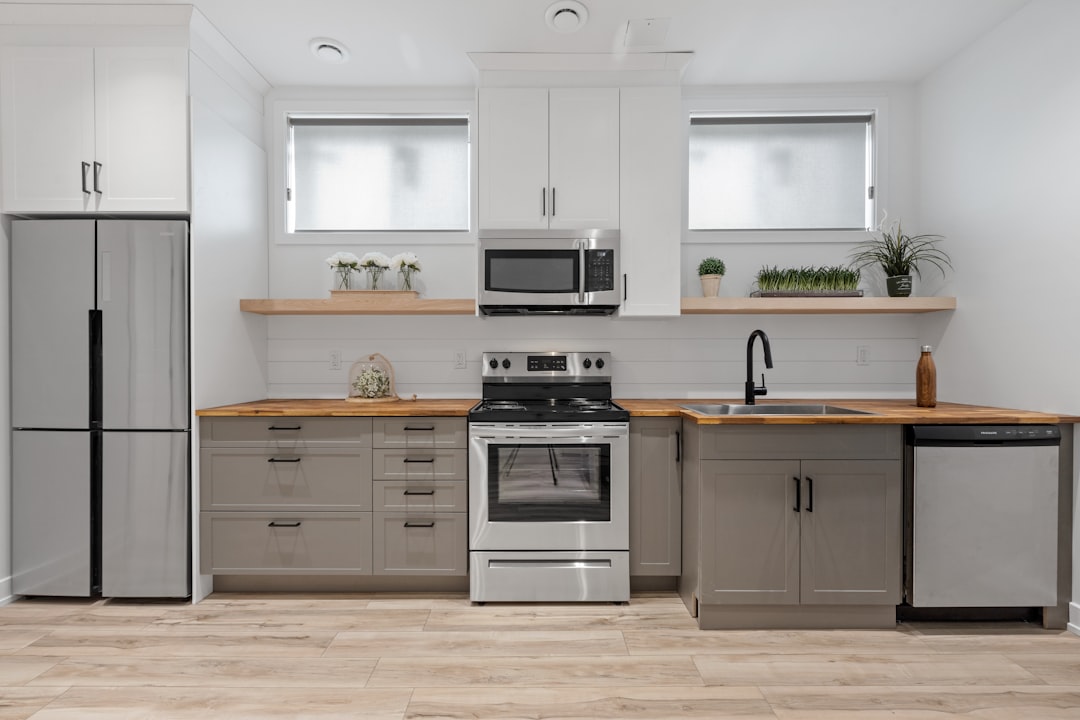
Discover the best dishwashers for California families. Save water, cut energy costs, and find the right model for your home's needs.
Choosing the Right Dishwasher When Water Bills and Regulations Actually Matter
California families face a unique set of challenges when shopping for a dishwasher. Between the state's strict water efficiency standards, hard water issues in areas like Los Angeles and the Central Valley, and some of the highest energy costs in the country, picking the wrong machine can quietly drain your budget month after month. After working in home appliance installation and repair across Southern and Northern California, I've seen firsthand what separates a smart purchase from a frustrating one.
Why California Homes Need a Different Standard
Most national appliance reviews don't factor in California-specific concerns. The state requires dishwashers to use no more than 3.5 gallons per cycle, which already narrows your options compared to older machines that used five or more. But efficiency ratings alone don't tell the whole story. In many homes, we see families buy a highly rated machine only to find it struggles with the mineral-heavy water common throughout the Sacramento Valley or the Inland Empire. The result is cloudy glassware, clogged spray arms, and a dishwasher that needs servicing within two years.
One family in Fresno I worked with had gone through two budget dishwashers in four years. Both were Energy Star certified, both looked fine on paper. The problem wasn't the rating — it was that neither model had a built-in water softening system or a stainless steel tub capable of handling the mineral buildup their water caused. A single upgrade to a mid-range Bosch 500 Series solved the problem completely.
Top Dishwasher Features Worth Prioritizing
Water Efficiency Without Sacrificing Clean Results
Look for models with soil sensors. These adjust the water usage based on how dirty the load actually is, rather than running a full cycle every time. The Bosch 300 and 500 Series both do this well, and so does the Miele G 5000 series for families willing to spend more upfront. The Miele in particular is worth mentioning because its water consumption per cycle drops as low as 2.4 gallons — impressive in a state where every gallon matters during drought conditions.
Noise Levels Matter More Than People Expect
California homes, especially in urban areas, tend to be smaller or have open floor plans where a loud dishwasher becomes a real annoyance. Anything rated at 44 dBA or below will be nearly inaudible during normal conversation. The Bosch 500 Series sits at 44 dBA, while the higher-end 800 Series drops to 42 dBA. For comparison, many entry-level machines run at 50 dBA or higher — that's noticeably loud during a movie or a phone call.
Hard Water Compatibility
This is what most buyers overlook. If your home pulls from a municipal supply in the Central Valley, San Diego, or parts of the Bay Area, your water hardness is likely above 150 mg/L. At that level, you need a dishwasher with a built-in water softener or you need to regularly add a rinse aid and use a descaling product monthly. Miele machines include an integrated softener. If you go with Bosch or KitchenAid, invest in a quality rinse aid and consider a whole-home water softener — it'll extend the life of every appliance in your kitchen.
Reliable Models That Consistently Perform in California Conditions
For most families, the Bosch 500 Series SHPM65Z55N hits the sweet spot between performance, noise, and price. It handles hard water reasonably well with proper rinse aid, runs quietly,


