
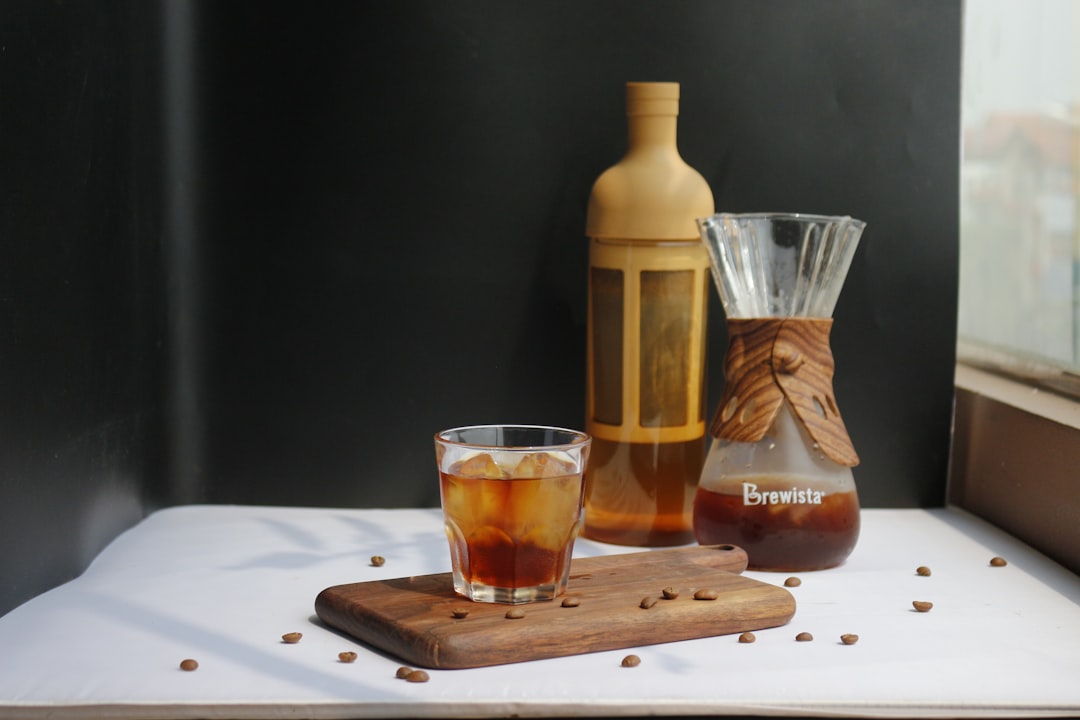
Discover the best cold brew coffee makers for summer 2026. Expert picks, real comparisons, and practical tips to get smooth, flavorful cold brew at home.
Why Cold Brew Is Worth the Effort This Summer
If you've ever taken a sip of store-bought cold brew and thought, "I could make this at home for a fraction of the price," you're absolutely right. A good cold brew coffee maker pays for itself within a few weeks, especially during summer when you're reaching for a glass every single morning. But with dozens of options on the market, it's easy to overspend on features you don't need — or buy something cheap that leaves you with bitter, weak coffee and a clogged filter you'll hate cleaning.
After spending time with several of the most popular models this season, here's a straightforward breakdown of what actually works, what doesn't, and what to look for depending on how much cold brew your household goes through.
What Separates a Good Cold Brew Maker from a Frustrating One
The core job is simple: steep coarse ground coffee in cold or room temperature water for 12 to 24 hours, then separate the grounds cleanly from the liquid. Where most budget models fail is in that last step. In many homes, we see people dealing with sediment in their coffee because the filter mesh is too coarse, or the seal between the filter and carafe isn't tight enough. That gritty cup in the morning gets old fast.
The other overlooked issue is capacity. A single-person household can get away with a 32-ounce pitcher. A family of four, or anyone who drinks two to three glasses a day, needs at least 64 ounces — otherwise you're constantly running a new batch and waiting 18 hours before you can drink again.
Top Picks for Summer 2026
Toddy Cold Brew System: This one has been around for decades, and for good reason. The felt filter catches extremely fine particles, which gives you a very clean, smooth concentrate. It's not beautiful on a countertop, but it produces consistently excellent results. The reusable filters do wear out, so keep replacements on hand — that's a mistake a lot of first-time buyers make when they order the system without stocking up on spares.
OXO Brew Compact Cold Brew Coffee Maker: This is the model we'd recommend most often for a typical household. The rainmaker lid distributes water evenly over the grounds, which matters more than most people realize. Uneven saturation is one of the main reasons cold brew comes out under-extracted and flat. The built-in switch to release coffee into the carafe is smooth and mess-free, and the 32-ounce yield is right for one or two people.
Takeya Patented Deluxe Cold Brew Coffee Maker: If volume is the priority, this 1-quart pitcher with a fine-mesh stainless steel filter is hard to beat on value. It's simple, airtight, and goes straight from steeping to the fridge door. We've seen this one hold up well through multiple summers of daily use. The lid seal is solid, which keeps the coffee fresh for up to two weeks in the refrigerator.
KitchenAid Cold Brew Coffee Maker: Built to sit nicely in a kitchen and look good while doing it. The tap spout on the bottom makes dispensing concentrate easy, which is a small luxury that becomes surprisingly useful when you're half-awake at 7 a.m. It holds 28 ounces of concentrate and brews in about 12 hours at room temperature. The stainless steel filter is durable and easy to rinse out.
A Real-Life Scenario Worth Knowing
A common situation: someone buys a basic mason jar cold brew kit, loves the first batch, then starts noticing their coffee tastes increasingly bitter


