
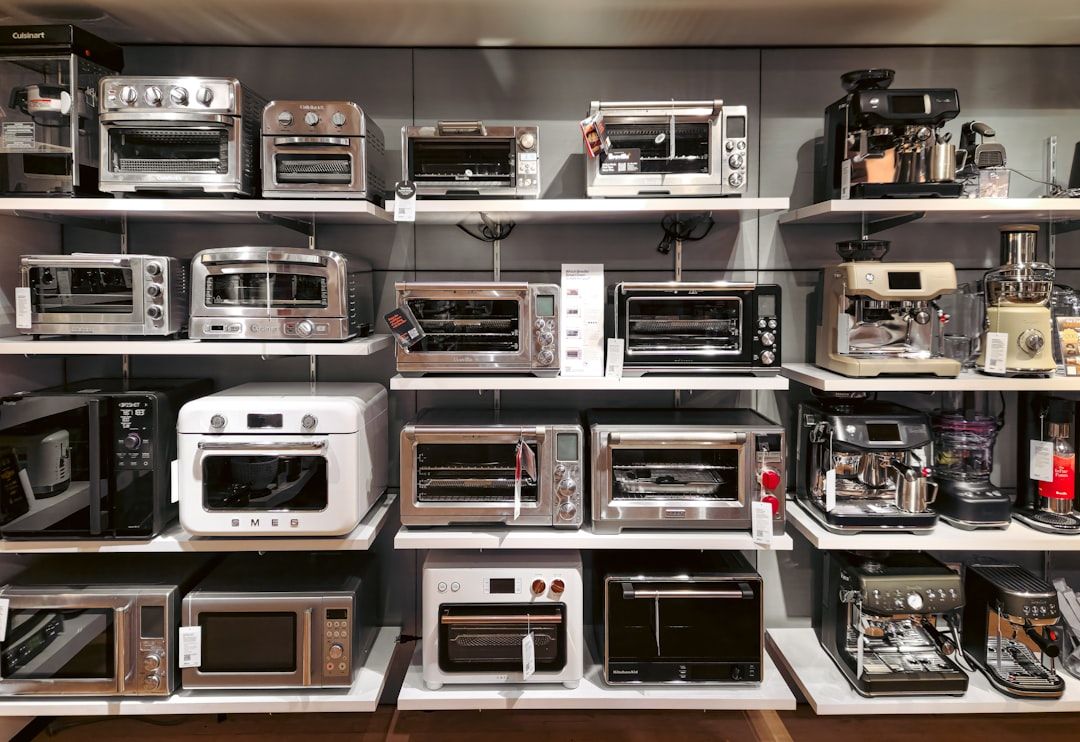
Find the best clearance appliances near you with expert tips on what to look for, what to avoid, and how to save big without getting burned.
Why Clearance Appliances Deserve a Serious Look
Most homeowners walk past the clearance section at appliance stores without giving it a second thought. That's a mistake I've seen cost people hundreds of dollars. Whether you're replacing a broken refrigerator, upgrading a washer, or outfitting a new home on a tight budget, clearance appliances can be some of the smartest purchases you'll ever make — if you know what you're actually looking at.
I've been in and out of homes installing and servicing appliances for years. I can tell you from experience that a $1,400 refrigerator marked down to $780 because of a small dent on the side panel works exactly the same as the full-price unit sitting three feet away from it. The key is understanding what kind of clearance you're dealing with and what questions to ask before handing over your card.
The Different Types of Clearance Appliances You'll Encounter
Not all clearance appliances are the same, and this is where a lot of buyers get confused. Here's how most of them break down:
Scratch and Dent Units
These are brand-new appliances with minor cosmetic damage — usually from shipping or showroom handling. A dent on the back of a dryer or a small scratch on the side of a dishwasher has zero impact on performance. In many homes, we see these installed behind cabinetry where the damage isn't even visible. If you're placing a refrigerator in a tight kitchen alcove, a scuffed side panel is completely irrelevant.
Open Box Appliances
Open box means the packaging was opened, sometimes because a customer returned the item or it was used as a floor display. These usually come with the original parts and manual. The discount is real — often 20 to 40 percent — but you should inspect for missing accessories, especially with ranges and dishwashers where installation hardware matters.
Discontinued Models
Manufacturers quietly phase out models every year. Stores heavily discount these to clear floor space. A discontinued model isn't a defective model — it just means a newer version has replaced it. These deals can be exceptional, especially on large appliances like refrigerators and ranges.
A Real Situation Worth Learning From
A homeowner I worked with last spring found a side-by-side refrigerator at a big-box store clearance event. The unit was marked down 35 percent due to a cosmetic ding near the bottom freezer drawer. She almost passed on it because she assumed something internal was wrong. After a quick inspection — checking the compressor noise, door seals, and ice maker function right there in the store — everything tested fine. She saved over $500 on a unit that ran perfectly.
The mistake most people make is assuming clearance means broken. In reality, most clearance appliances are discounted for reasons that have nothing to do with how they function.
What to Actually Check Before You Buy
If the store allows access to a powered unit, test what you can. For refrigerators, listen for consistent compressor cycling. For washers and dryers, check that the drum spins smoothly and the door latch engages properly. On ranges, make sure burners ignite evenly. For dishwashers, verify the spray arms move freely and the door seal is intact.
Also ask specifically whether the unit comes with a manufacturer warranty or store protection plan. Many clearance appliances still carry partial warranties. Stores like Home Depot, Lowe's, and Best Buy regularly offer extended protection plans on clearance units at reduced rates — worth asking about every single time.


