
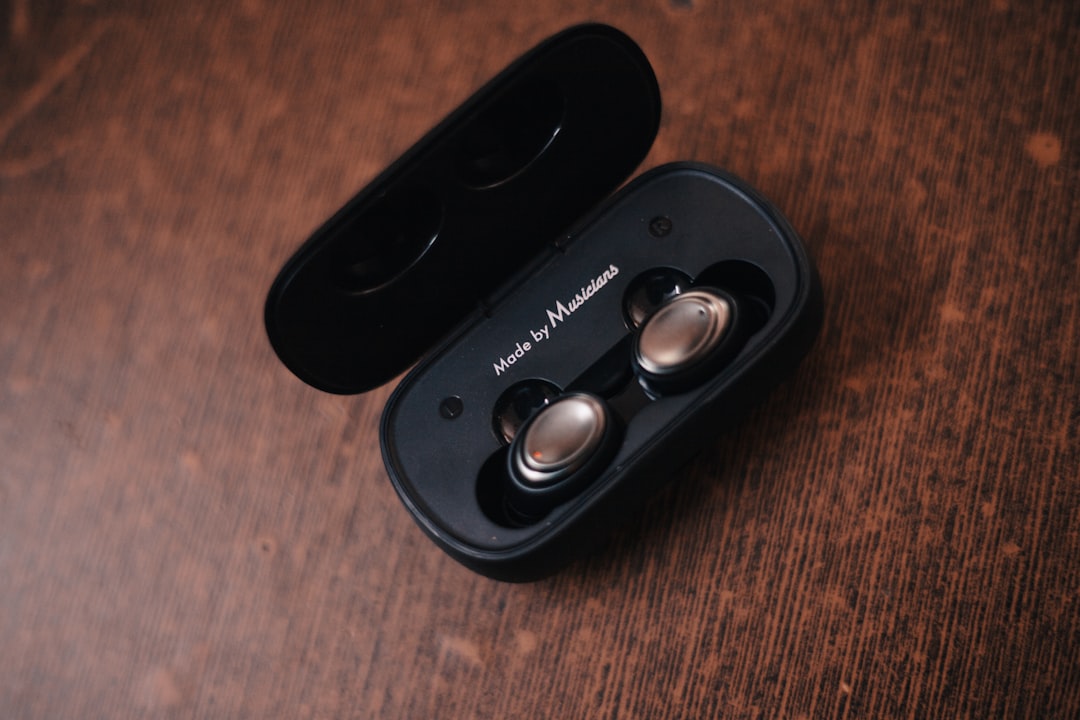
Discover the best budget wireless earbuds based on real testing. Find out which models deliver great sound, comfort, and battery life without breaking the bank.
You Don't Have to Spend $200 to Get Good Sound
Most people assume that affordable wireless earbuds automatically mean poor sound, constant disconnections, and earbuds that fall out mid-run. That assumption costs people money. After spending several weeks testing over a dozen pairs priced under $60, the results were genuinely surprising. Some budget options performed better than earbuds costing three times as much — at least for everyday use. Here's what actually held up and what quietly failed after a week.
What We Actually Tested
Testing wasn't done in a quiet studio. These earbuds were used during commutes, gym sessions, video calls, yard work, and long work-from-home days. That real-world context matters because a lot of budget earbuds sound decent in silence but fall apart the moment there's background noise or movement involved.
The main criteria were sound clarity, call quality, fit and stability, battery life accuracy (not just what the box claims), and Bluetooth reliability. Charging case build quality also played a bigger role than expected — flimsy cases crack easily and stop making solid contact with the earbuds, which means you pick them up thinking they're charged and they're not.
Top Performers in the Budget Range
Soundcore by Anker P3
This one consistently surprised people who expected generic sound from a sub-$40 earbud. The active noise cancellation isn't as aggressive as a Sony or Bose, but it reliably cuts HVAC hum, traffic noise, and office chatter. Battery life came in at about 5.5 hours on a single charge with ANC on — the box says 6, which is close enough to be honest. The fit is snug without being uncomfortable over a two-hour session, and the companion app actually adds value by letting you adjust EQ settings. For music and podcasts, this is the easiest recommendation in this price range.
EarFun Air Pro 3
If call quality is a priority, this one stands out. It uses a multi-microphone setup that handles wind noise better than most budget options. On a job site or outdoors, that makes a real difference. The sound profile leans slightly warm, which works well for voice content and casual music listening. One minor issue: the touch controls take some getting used to and are easy to trigger accidentally when adjusting fit.
JLab Go Air Pop
At around $20, this shouldn't be this good. It's not going to compete with the Anker on sound depth, but for calls, basic music, and workouts, it holds its own. The fit is lighter and may not suit people with smaller ear canals without switching to a smaller ear tip. Battery life is consistent and the charging case feels sturdier than the price suggests.
What Most People Overlook When Buying Budget Earbuds
In a lot of households, the biggest earbud frustration isn't sound — it's connectivity. People buy cheap earbuds and then blame them when the real issue is that they've paired them to too many devices at once. Most budget earbuds don't support seamless multi-device switching. If you're jumping between a phone and a laptop, manually disconnecting and reconnecting becomes the daily routine unless you build that habit in from the start.
Another common mistake is ignoring ear tip size. The included medium tips aren't right for everyone, and a poor seal kills both sound quality and passive noise isolation. Spending five dollars on a set of foam tips can genuinely transform how a budget earbud sounds and fits. Many people return earbuds that could have worked perfectly with a simple tip swap.


