
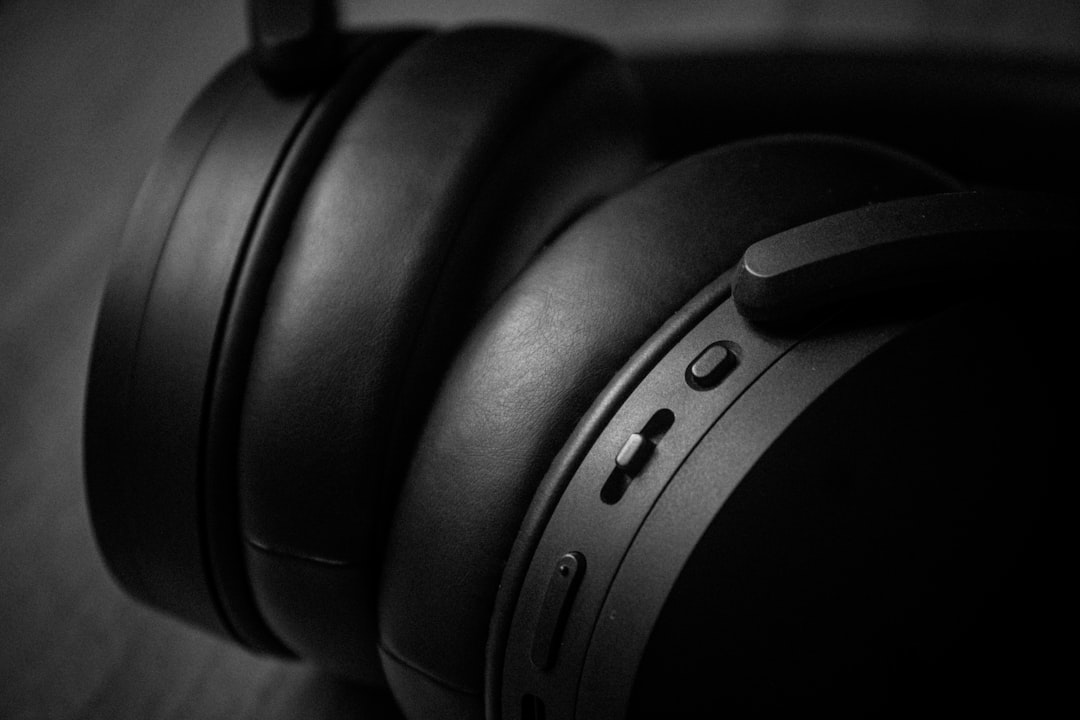
Discover the best budget headphones for daily use. Get expert tips on sound quality, comfort, and durability without overspending.
Getting Good Sound Without Spending a Fortune
Most people don't need to spend $300 on headphones. That's the honest truth. Whether you're working from home, commuting, hitting the gym, or just trying to drown out the neighbor's lawn mower, there are genuinely solid options available for under $60. The tricky part isn't finding cheap headphones — it's knowing which ones actually hold up after a few months of real use and which ones fall apart by week three.
After testing dozens of pairs across different price points, a few things become very clear very fast. Budget headphones fail most often not because of sound quality, but because of build quality and comfort. People buy a pair, love the audio, and then return them two weeks later because the ear cushions feel like sandpaper or the headband pinches after an hour. That's the detail most reviews skip over.
What to Actually Look for in Budget Headphones
Sound Quality at Lower Price Points
You're not getting studio-monitor accuracy at $40. Accept that early and you'll be much happier. What you should expect is a reasonably balanced sound — meaning bass doesn't completely overpower the mids and highs. A lot of budget headphones are deliberately bass-heavy because it sounds impressive in a quick store demo. In real daily use, that gets fatiguing fast, especially during long work calls or podcast listening sessions.
The Sony ZX series, particularly the MDR-ZX310, is a great real-world example. It's under $30, wired, and sounds surprisingly clean for the price. It's not flashy, but it's balanced and consistent — which matters more when you're wearing them for six hours straight.
Wired vs. Wireless: A Decision People Overthink
Here's where a lot of buyers make a mistake. They assume wireless is always better. For daily use on a tight budget, wired headphones almost always win. You don't have to worry about charging, Bluetooth dropout, or connection lag during video calls. If you're mostly at a desk or commuting with your phone in your pocket, a good wired pair eliminates a surprising number of daily frustrations.
That said, if you genuinely need wireless, the Anker Soundcore Q20 consistently performs above its price range. Around $50, it offers active noise cancellation, solid battery life (up to 40 hours), and a comfortable over-ear fit. In many homes and offices, we see people spending twice as much on branded wireless headphones when the Q20 handles everyday tasks just as well.
Comfort: The Feature Nobody Talks About Enough
Imagine buying a pair of headphones for your work-from-home setup. First day, they sound great. By day three, your ears hurt after two hours. By the end of the week, they're sitting in a drawer. This happens constantly — and it's almost always because buyers prioritized specs over fit.
Look for headphones with memory foam or padded leatherette ear cups if you plan to wear them for extended sessions. Adjustable headbands matter too. The Koss UR20 is a lesser-known pick that gets this right — soft pads, lightweight frame, and under $25. It's not the most feature-rich option, but for a receptionist, student, or remote worker who needs something comfortable all day, it genuinely delivers.
Durability on a Budget: Manage Your Expectations Smartly
Budget headphones won't last five years with heavy daily use. That's just honest. But many will last two to three years if you treat them reasonably well. The biggest durability killer isn't the drivers or electronics — it's the cable on wired models. Cheap cables fray near the connector. If you can find a pair with a braided cable or a replaceable cable


