
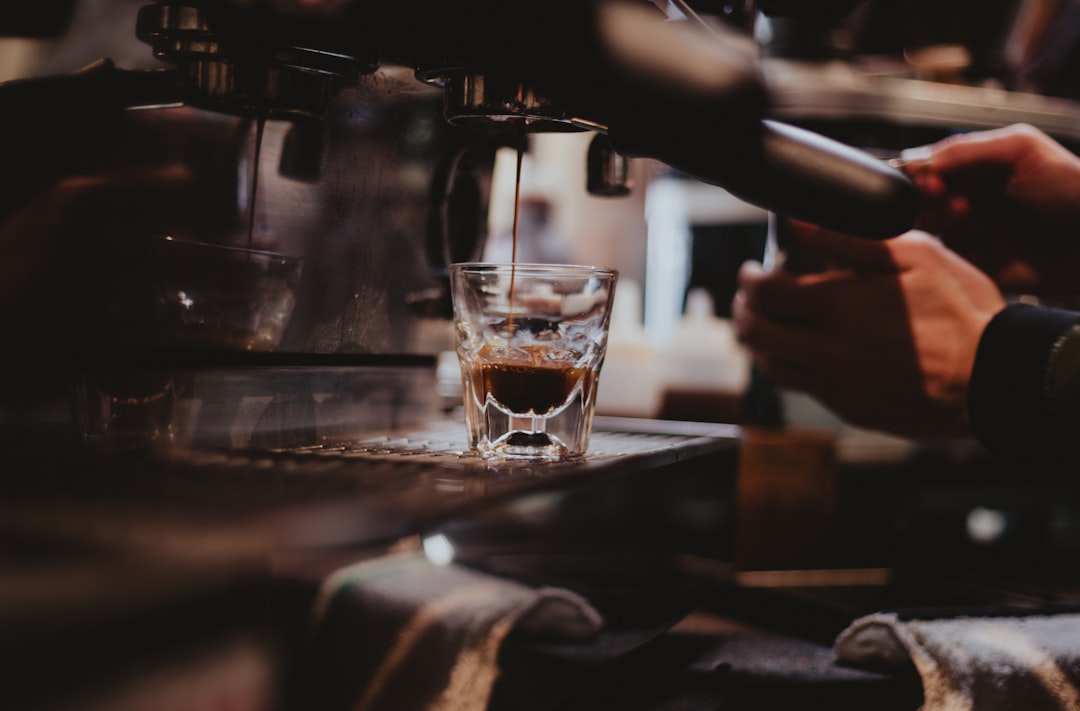
Discover the best budget espresso machines under $300. Expert picks, real comparisons, and buying tips to help you brew great espresso at home.
Great Espresso Doesn't Have to Cost a Fortune
Most people assume you need to spend $800 or more to pull a decent shot of espresso at home. That's simply not true anymore. The sub-$300 market has grown significantly over the past few years, and there are now several machines that produce genuinely impressive results without draining your wallet. That said, not every affordable machine is worth your counter space — and picking the wrong one is a mistake I've seen a lot of home brewers make.
This guide breaks down what actually matters when shopping in this price range, which machines consistently perform well, and what to watch out for before you buy.
What to Realistically Expect at This Price Point
Let's be honest about something: a $200 machine is not going to perform like a $1,500 La Marzocco. But that doesn't mean it can't make a solid, flavorful espresso. In many homes, we see people frustrated not because their machine is bad, but because they expected café-quality results straight out of the box without dialing in their grind or tamping technique. The machine matters, but so does everything around it.
At under $300, you're generally looking at machines with 15-bar pump pressure, single boilers, and limited temperature control. Some have steam wands for milk frothing, others don't. Semi-automatic models in this range give you more control over your shot, while fully automatic machines do most of the work for you — useful if you're always rushing in the morning.
Top Picks That Actually Deliver
Breville Bambino
This is one of the most recommended machines at this price, and for good reason. It heats up in about three seconds thanks to its thermojet heating system, which is genuinely fast compared to most entry-level machines that take two to four minutes. The steam wand has real pressure behind it, which makes frothing milk for lattes much easier than on cheaper alternatives. The footprint is small, which matters if your counter space is limited. Street price typically sits around $230–$250.
De'Longhi Dedica EC685
If you're tight on space, the Dedica is one of the slimmest espresso machines you'll find. It's about six inches wide, which makes it ideal for small kitchens or apartments. One thing people often overlook with this machine is that the stock pressurized portafilter can mask poor grind quality. Swapping to an unpressurized basket — which costs around $15 — opens things up considerably if you're using freshly ground coffee. It consistently pulls around $150–$180, making it one of the better values here.
Gaggia Classic Pro
This one sits at the upper end of the budget at around $280–$300, but it's worth every cent if you're serious about learning to pull real espresso. It uses a commercial-style 58mm portafilter, which means better temperature stability and access to a wide range of aftermarket baskets and accessories. A customer I worked with recently upgraded from a cheap pod machine to the Gaggia Classic Pro and was genuinely surprised at how much the coffee quality improved — especially once we dialed in a medium-fine grind with a decent burr grinder.
Common Mistakes People Make When Buying
One of the biggest oversights is buying an espresso machine without budgeting for a proper grinder. Pre-ground espresso from a bag is stale almost immediately after opening, and it produces flat, bitter shots regardless of how good your machine is. A decent entry-level burr grinder like the Baratza Encore or even the Capresso Infinity will make more difference than upgrading the machine itself.
Another


