
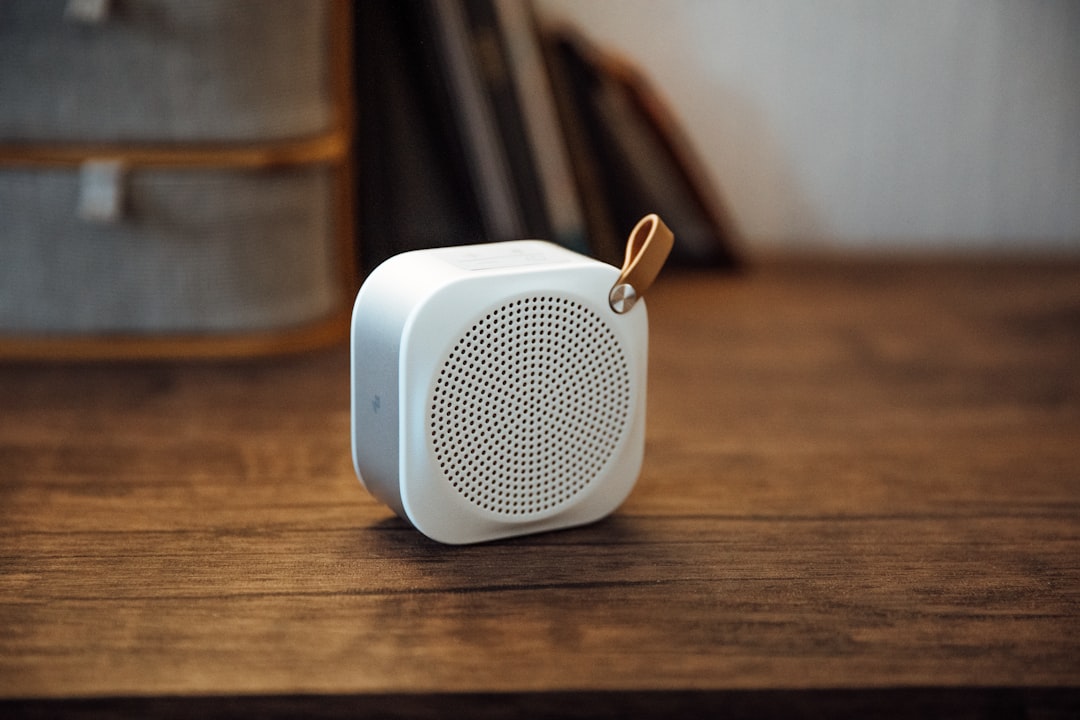
Discover the best budget Bluetooth speakers that deliver real sound quality without overspending. Expert picks, honest advice, and what to avoid.
Great Sound Doesn't Have to Cost a Fortune
Most people assume that spending less than $60 on a Bluetooth speaker means settling for thin, tinny audio that sounds like a phone on speakerphone. That's just not true anymore. The budget speaker market has come a long way in the last few years, and there are genuinely solid options out there — if you know what to look for and what to skip.
I've tested a fair number of these speakers in real home environments — kitchens, garages, backyards — and the difference between a good $40 speaker and a disappointing one usually comes down to three things: driver size, passive radiator design, and battery management. Most buyers focus entirely on price and Bluetooth range, which leaves them frustrated after the first week.
Top Budget Bluetooth Speaker Picks Worth Your Money
1. Anker Soundcore 2 — The Reliable Everyday Choice
This is the speaker I recommend most often for people who just want something that works without fuss. The Soundcore 2 has dual drivers and a passive subwoofer radiator that punches well above its $30–$35 price point. Battery life runs around 24 hours in real use, not the inflated lab numbers you see on some brands. It's IPX5 water-resistant, which matters if you're using it near a sink or on a patio.
In many homes, we see people placing speakers near windows or in bathrooms without any water protection — then wondering why the audio cuts out or the speaker dies within a few months. Water resistance isn't a luxury feature at this price anymore. It's something you should expect.
2. JBL Go 3 — Compact, Loud, and Surprisingly Clear
The JBL Go 3 is a great pick if portability is your priority. It's small enough to toss in a bag, but it produces a noticeably fuller sound than its size suggests. The IP67 rating means it handles dust and water submersion up to a meter for 30 minutes — handy for outdoor use or kitchens where splashing is common.
One thing people overlook with compact speakers is EQ response. The Go 3 handles mid-range frequencies well, which makes voices and podcasts sound natural. Music with heavy bass will have limits at this size, but for casual listening, it's hard to beat at around $40.
3. Tribit XSound Go — The Budget Overperformer
Tribit doesn't have the name recognition of JBL or Anker, but the XSound Go has earned a strong following for good reason. It delivers louder output at higher volumes with less distortion than most speakers in its price range. The build feels solid, and the 24-hour battery claim holds up fairly well in practice — closer to 18–20 hours at moderate volume.
A real-life scenario worth mentioning: a homeowner I worked with was using a cheap $15 no-name speaker in their garage workshop. The audio would cut out every time power tools kicked on nearby — likely from electromagnetic interference and weak Bluetooth signal management. Switching to the Tribit XSound Go solved the problem immediately. Better signal handling makes a practical difference in real environments.
What to Avoid When Buying Budget Speakers
The biggest mistake buyers make is choosing based on watt ratings alone. A speaker listed at "10W output" from an unknown brand rarely delivers anything close to that in real listening conditions. Wattage numbers in budget audio are often peak ratings under ideal lab conditions, not sustained real-world output.
Also, avoid speakers without any codec support beyond standard SBC Bluetooth. Speakers that support AAC or aptX will sound noticeably better when paired with a modern smartphone, even at lower price


